Rooftop solar customers in California could face higher costs and reduced incentives if a proposed overhaul of the state's solar program is approved by the Public Utilities Commission.



If the California Public Utilities Commission approves an update to the state's solar incentive program, property owners could see a rise in costs for rooftop solar energy, among other changes, reports Sammy Roth. "Officials say the changes are needed to keep the lights on, prevent electricity rates from rising and encourage people to install batteries, while still growing the solar market. Solar executives say they would backfire and crater a thriving industry."
The changes, which would only apply to Edison, PG&E, and SDG&E customers, would "reduce payments to solar customers who send electricity to the power grid" through an overhaul of the process called net metering and add a monthly fee for homeowners that install solar, but also create a temporary "market transition credit" and fund programs to install clean energy in low-income communities and help homeowners buy batteries. Homes with existing solar panels would pay highly variable rates based on time of day.
Solar advocates and environmental groups are "slamming the proposed decision," calling it a huge setback for a badly needed and still nascent industry. But some also agree that the new model is more equitable and could help more low-income families invest in solar power.
Roth outlines the response from a variety of stakeholders including consumer advocates, the solar industry, utilities, home builders, and investors. While most agree on the need for more rooftop solar, they disagree on whether lowering existing incentives, even with transition assistance, will harm the rate of adoption of solar panels.
FULL STORY: Everything you need to know about California’s plan to slash solar incentives


California Leads in Solar Rooftops
A combination of state and local incentives and building code mandates has helped California far outpace other states in residential rooftop solar permits.
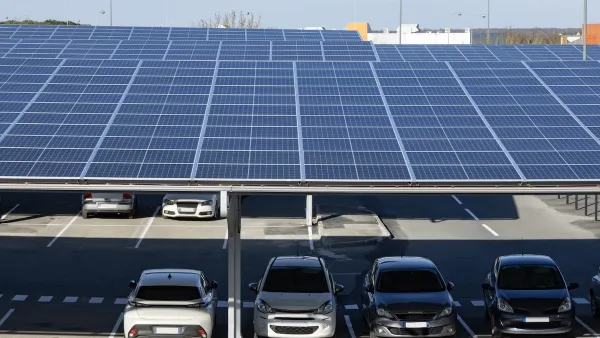
Commercial Buildings, Parking Lots Offer Significant Potential for Solar Energy
Massive swaths of flat rooftops, garages, and surface parking lots go underutilized. They could be producing renewable energy.
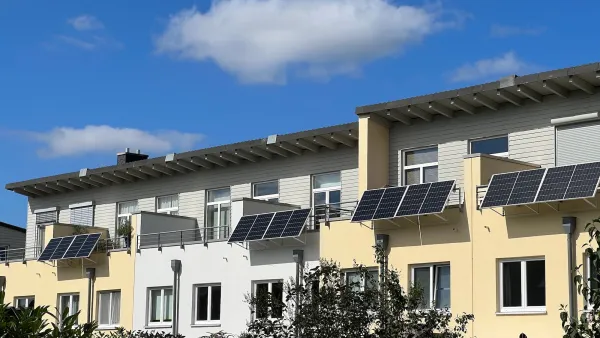
28 States and DC Could Legalize ‘Balcony Solar’
Plug-in solar panels, which are becoming popular across Europe, live in a regulatory gray area in the United States.

The state-sanctioned urbicide of Austin
People don’t kill cities. Freeways do.

US to reduce Colorado River water deliveries to Mexico
A new Colorado Treaty amendment reduces Mexico’s Colorado River water allocation by 250,000 acre feet.

New Jersey’s second-largest city bans standalone data centers
Jersey City will continue to allow co-location facilities, such as those meant for research institutions that store their own data.

Amtrak not solely to blame for New Jersey commuter rail's unreliability, report finds
A new study from the Garden State Initiative found that NJ Transit’s budget grew 20% across a 4 year period, but reliability declined significantly over the same period.

EPA erases limits on planet-warming pollution from power plants
Under Monday’s plan, power plants would still have some limits on how much mercury, arsenic and other contaminants they can emit.

Phoenix announces new on-demand transit service, more frequent RAPID buses
Both new services will launch in October, and are part of Phoenix's Project Effective Access Solutions for Easing Congestion.

FREE Course: Walkable City 1: Why Walkability?
After describing his path towards focusing on walkability as the essence of good planning, Jeff Speck marches through his five principal reasons for making more walkable places.
Reinventing Malls: Planning Alchemy—Turning Gray Fields Into Gold
The course focuses on the opportunities and imperatives that shape reinvention of mall sites.

Eagle County Government
Harvard University Graduate School of Design
Nashville Planning Department
The Architects Foundation
University of Cincinnati Online
The Pocatello Development Authority
The Urban Renewal Agency of the City of Pocatello
Journal of the American Planning Association