Lendlease’s new head of sustainability in the Americas, Sara Neff, describes the advantages of the Australian company’s global integrated business model and leadership in sustainable buildings.


With residential and commercial buildings in California contributing roughly 25 percent of the state’s GHG emissions, decarbonizing the built environment represents an important pillar for achieving meaningful climate goals. TPR interviews Lendlease’s new head of sustainability in the Americas, Sara Neff, to update readers on the advantages of the Australian company’s global integrated business model and leadership in sustainable buildings. Neff underscores the impact of ESG-minded investors in driving the market for sustainability, healthy living, and social equity practices.
In this interview, Neff describes the importance of life-cycle analyses and the monitoring the use of embodied carbons in building projects that are better for the environment.
"We recognize that the largest impacts on the environment from our projects are in the embodied carbon of our construction materials... we are not waiting to tackle those emissions. Projects need to have an LCA in the design phase, so we understand what the embodied carbon is and we can actively work with our suppliers in order to be able to deliver the lowest embodied carbon project we can."
For Lendlease, thinking sustainably is not only important in the design phase. Neff describes some of the key healthy living technologies and practices that Lendlease is incorporating into its projects.
"I think the pandemic has taught us the deep importance of connectivity to outdoor space and the ability to be flexible in terms of the programming requirements that we have been able to offer our tenants... we have provided outdoor yoga and outdoor fitness opportunities to make sure that the amenities are not entirely predicated on being able to be indoors and unmasked. You will see us investing in public green spaces, parks, and similar infrastructure to allow more flexibility in the way that our residents enjoy our projects."
For more on the work Lendlease is doing across the Americas in the world of sustainable project lifestyles, check out the full interview below.
FULL STORY: Sara Neff on Lendlease’s Sustainability Leadership & ESG Commitments in the Americas


Advancing Sustainability in Los Angeles County Schools
The Los Angeles County Office of Education’s Green Schools Symposium brings together educators, students, and experts to advance sustainability in schools through innovative design, climate resilience strategies, and collaborative learning.
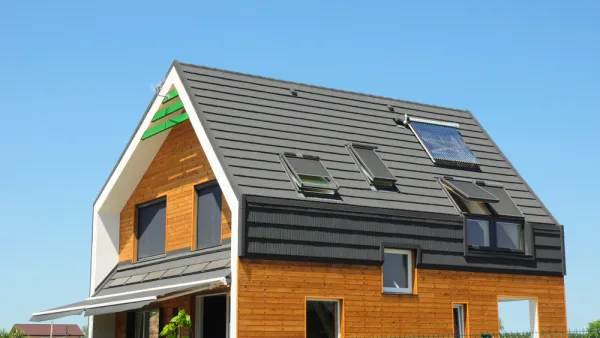
Sustainable and Affordable Housing Is No Longer a Pipe Dream
Fresh interest in green building among investors, new incentives, and stricter building codes are making it more possible to include green building practices in affordable housing production.
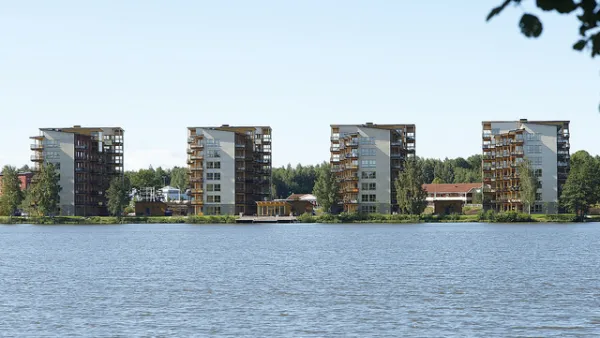
The Best Green Building and Development Materials in 2019
Green building practices are advancing quickly. Here is a sample of best practices in choosing the most sustainable materials for the job.

Planetizen Federal Action Tracker
A weekly monitor of how Trump’s orders and actions are impacting planners and planning in America.

The state-sanctioned urbicide of Austin
People don’t kill cities. Freeways do.

US to reduce Colorado River water deliveries to Mexico
A new Colorado Treaty amendment reduces Mexico’s Colorado River water allocation by 250,000 acre feet.

Mamdani overhauls NYC's Vision Zero plan with 100 new policy goals
The overhaul aims to reduce traffic deaths and make streets safer for pedestrians, cyclists and drivers through lower speed limits, new safety infrastructure and more.

Amtrak not solely to blame for New Jersey commuter rail's unreliability, report finds
A new study from the Garden State Initiative found that NJ Transit’s budget grew 20% across a 4 year period, but reliability declined significantly over the same period.

EPA erases limits on planet-warming pollution from power plants
Under Monday’s plan, power plants would still have some limits on how much mercury, arsenic and other contaminants they can emit.

FREE Course: Walkable City 1: Why Walkability?
After describing his path towards focusing on walkability as the essence of good planning, Jeff Speck marches through his five principal reasons for making more walkable places.
Reinventing Malls: Planning Alchemy—Turning Gray Fields Into Gold
The course focuses on the opportunities and imperatives that shape reinvention of mall sites.

Eagle County Government
Harvard University Graduate School of Design
Nashville Planning Department
The Architects Foundation
University of Cincinnati Online
The Pocatello Development Authority
The Urban Renewal Agency of the City of Pocatello
Journal of the American Planning Association