A new plan to add 18,000 affordable housing units in Milwaukee is the latest in a string of efforts by the city to ensure housing affordability to all income levels and address the racial homeownership gap in the city.


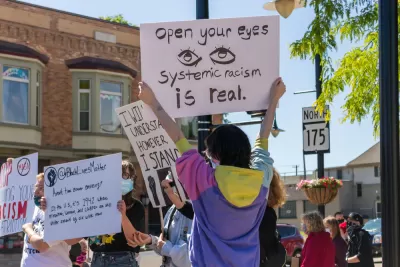
The Community Development Alliance has released a new plan to create 18,000 affordable homes for low-income and minority residents in Milwaukee over the next decade.
According to an article by Jeramey Jannene, the plan is "designed to address both homeownership and rental housing and targeted at those making between $15,080 to $31,200 per year ($7.25 to $15 per hour)."
Moreover, "The plan also includes an explicit focus on addressing racial inequity."
According to a separate article by Talis Shelbourne, the plan would spend, over ten years, "$69.3 million more in grants and $66.2 million more in loan capital from banks and other lenders" than currently planned.
"That investment, the report stated, would result in 8,100 new Black and Latino homeowners and 9,750 homes for families making $7.25 to $15 an hour. The remainder envisioned by the plan would come in subsequent decades," according to Shelbourne.
The plan is the latest effort in Milwaukee to fund affordable housing and address the city's racial housing gap. Sophie Carson and Alison Dirr reported in July that Milwaukee Mayor Tom Barrett announced $30 million from the American Rescue Plan Act to fund housing initiatives.
The Community Development Alliance was founded in 2011, with backing from the Greater Milwaukee Foundation, Zilber Family Foundation, Northwestern Mutual Foundation, Bader Philanthropies, and the city of Milwaukee.

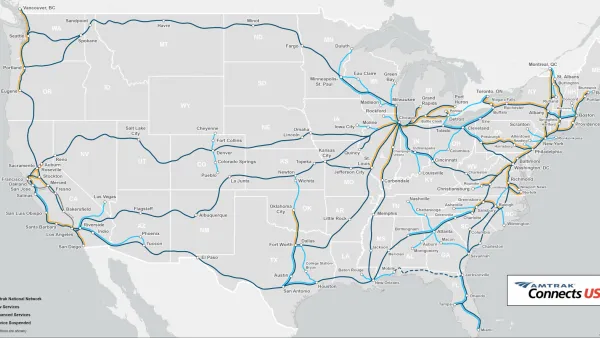
Infrastructure and its Discontents
The significance of the Biden administration's expansive view of infrastructure is reflected in the flood of commentary published in the week since the public's first look at the American Jobs Plan.
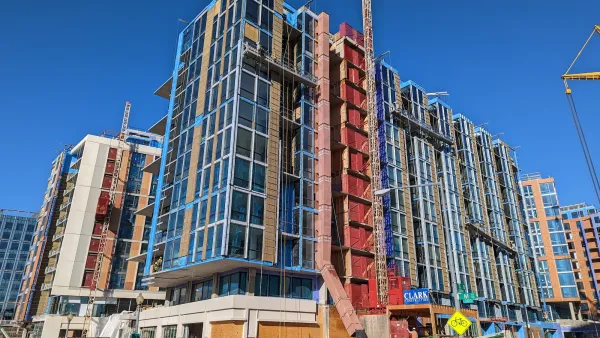
Analysis: DC needs tens of thousands of new homes — not just 'zoned capacity'
Estimates for Washington DC's housing needs range from 15,000 to 170,000.
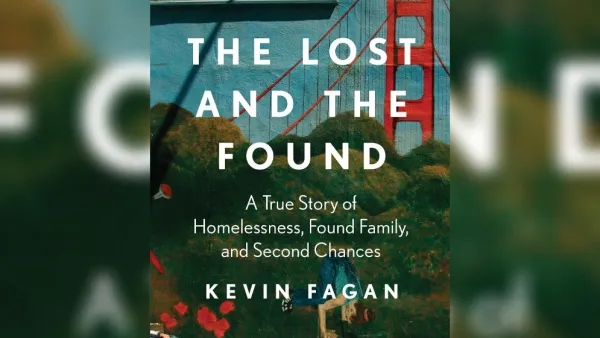
The "vicious cycle of real estate mania" — and how we might find our way home
Book review: In "The Lost and the Found: A True Story of Homelessness, Found Family, and Second Chances," Kevin Fagan humanizes the housing crisis like never before.

Planetizen Federal Action Tracker
A weekly monitor of how Trump’s orders and actions are impacting planners and planning in America.

The state-sanctioned urbicide of Austin
People don’t kill cities. Freeways do.

US to reduce Colorado River water deliveries to Mexico
A new Colorado Treaty amendment reduces Mexico’s Colorado River water allocation by 250,000 acre feet.

Mamdani overhauls NYC's Vision Zero plan with 100 new policy goals
The overhaul aims to reduce traffic deaths and make streets safer for pedestrians, cyclists and drivers through lower speed limits, new safety infrastructure and more.

Amtrak not solely to blame for New Jersey commuter rail's unreliability, report finds
A new study from the Garden State Initiative found that NJ Transit’s budget grew 20% across a 4 year period, but reliability declined significantly over the same period.

EPA erases limits on planet-warming pollution from power plants
Under Monday’s plan, power plants would still have some limits on how much mercury, arsenic and other contaminants they can emit.

FREE Course: Walkable City 1: Why Walkability?
After describing his path towards focusing on walkability as the essence of good planning, Jeff Speck marches through his five principal reasons for making more walkable places.
Reinventing Malls: Planning Alchemy—Turning Gray Fields Into Gold
The course focuses on the opportunities and imperatives that shape reinvention of mall sites.

Eagle County Government
Harvard University Graduate School of Design
Nashville Planning Department
The Architects Foundation
University of Cincinnati Online
The Pocatello Development Authority
The Urban Renewal Agency of the City of Pocatello
Journal of the American Planning Association