Evidence from Arlington, Virginia.


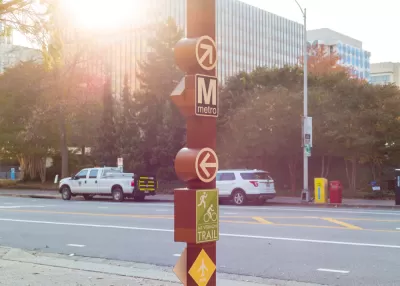
Kea Wilson provides insight into a study published this week by the Insurance Institute for Highway Safety, finding evidence that the bike paths of Arlington,. Virginia saved lives during the pandemic.
According to Wilson's explanation of the study, the findings show that communities who prioritized the construction of protected bike paths saved the most lives during the pandemic and its resulting bike boom (both of which are still ongoing), "and would have done so with or without the virus."
The study found that Arlington’s pre-COVID investments into active transportation paid off big during the pandemic. As national cycling fatalities climbed 5 percent between 2019 and 2020 — a phenomenon that experts attribute, in part, to a 16-percent jump in cycling journeys on U.S. roads over that period — Arlington had zero deaths, and the rate of injury-causing collisions between cyclists and drivers plummeted 28 percent compared to the average from the previous six years. (Total cycling journeys in the already-bikier-than-average city, meanwhile, increased about 4 percent.)
As noted by Wilson, Arlington is a model of a suburban environment that has committed to bike infrastructure—unlike most similarly sized and situated communities around the country.
Widely regarded as the most bicycle-friendly county in the region, the D.C. suburb is home to more than 50 miles of paved, off-road trails, in addition to 37 miles of on-road lanes — which means that its cyclists had more options to keep themselves safe when drivers began to speed up on lockdown-emptied roads.
More insight into the nuances of the study's findings and its implications for other communities are found in the source article.
FULL STORY: Study: Protected Bike Paths Saved Lives During COVID

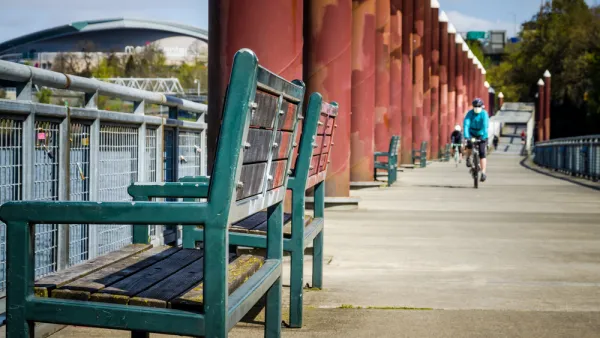
Can Portland's Bike Boom Outlast the Pandemic?
"Anytime the city does something to dramatically improve streets for people and limit car access...it’s hard to take them back."
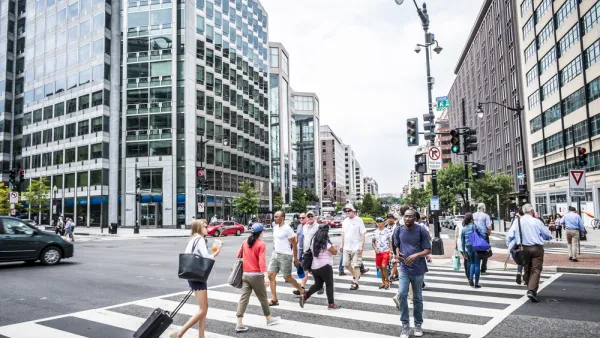
Resources for Safe, Convenient Pedestrian and Bike Infrastructure
Despite the stated goals of state and federal agencies to encourage active modes of transportation, there's still a long way to go to make sure that all cities and communities have safe, convenient sidewalks and bike lanes.
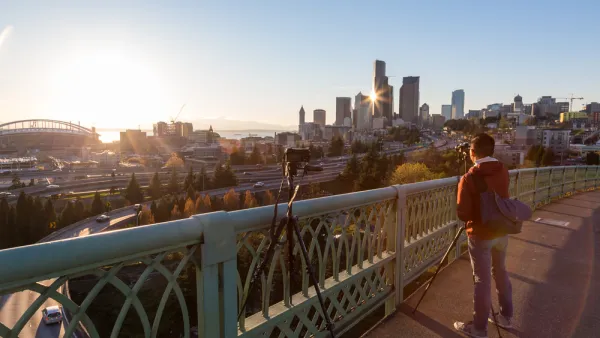
A Thorough, Mixed Review for a New Protected Bike Lane in Seattle
So many highly anticipated bike facilities finally deliver only to fall short of real game changing status. Seattle provides the latest example of the phenomenon in the wild.

The state-sanctioned urbicide of Austin
People don’t kill cities. Freeways do.

US to reduce Colorado River water deliveries to Mexico
A new Colorado Treaty amendment reduces Mexico’s Colorado River water allocation by 250,000 acre feet.

New Jersey’s second-largest city bans standalone data centers
Jersey City will continue to allow co-location facilities, such as those meant for research institutions that store their own data.

Amtrak not solely to blame for New Jersey commuter rail's unreliability, report finds
A new study from the Garden State Initiative found that NJ Transit’s budget grew 20% across a 4 year period, but reliability declined significantly over the same period.

EPA erases limits on planet-warming pollution from power plants
Under Monday’s plan, power plants would still have some limits on how much mercury, arsenic and other contaminants they can emit.

Phoenix announces new on-demand transit service, more frequent RAPID buses
Both new services will launch in October, and are part of Phoenix's Project Effective Access Solutions for Easing Congestion.

FREE Course: Walkable City 1: Why Walkability?
After describing his path towards focusing on walkability as the essence of good planning, Jeff Speck marches through his five principal reasons for making more walkable places.
Reinventing Malls: Planning Alchemy—Turning Gray Fields Into Gold
The course focuses on the opportunities and imperatives that shape reinvention of mall sites.

Eagle County Government
Harvard University Graduate School of Design
Nashville Planning Department
The Architects Foundation
University of Cincinnati Online
The Pocatello Development Authority
The Urban Renewal Agency of the City of Pocatello
Journal of the American Planning Association