The plan calls for more frequent service, expanded bus lines, and connectivity between different modes of transit.


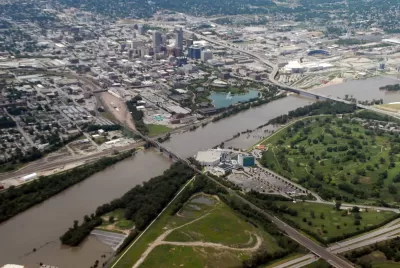
Omaha's Metro Transit agency has launched an initiative designed to "fuse modern connectivity with the growing demand for public transit" and shift "Omaha toward a city that’s virtually car-less," reports Lauren Melendez. "Although Metro Transit operates hundreds of general bus routes including OBRT and MOBY Paratransit, their ADA accessible service, its connectivity goals aren’t limited to buses." According to Jason Rose, Metro Transit’s Communications Manager, "[w]e want people to have options, whether that’s being able to choose to ride the bus or ride a bike or access a bike lane or access a scooter or use their wheelchair on a sidewalk or walk."
Rose said the agency's goals include "[b]etter bus stops, more frequent buses, more buses in more places, potential ORBT expansion and potential service types that we don't serve right now." They are also partnering with the Greater Omaha Chamber of Commerce and their Connect-Go program, which aims to create a comprehensive network of transportation modes and "unify the transportation vision so that every mode is considered together."
"The North Omaha area is considered Metro Transit’s priority corridor, meaning the neighborhood would be the first to see ridership changes and enhancements in the coming months or years because it is so massive." The agency is still working to secure funding and establish a timeline for the improvements, and asking the public to provide their input and suggestions.
Read the full story: Metro Transit focusing on North Omaha for new, enhanced service

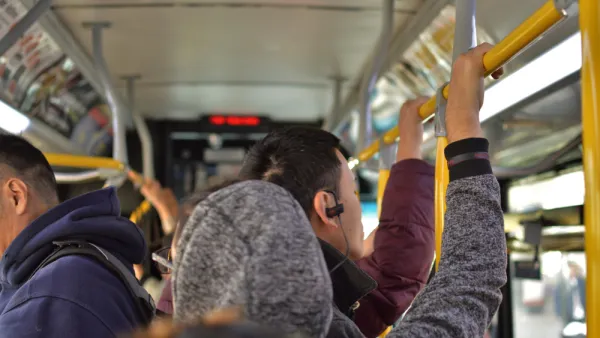
Report: Improved Service Key to Growing Bus Ridership
A NACTO report highlights the importance of bus-friendly policies and infrastructure for boosting ridership numbers and reducing urban congestion and pollution.
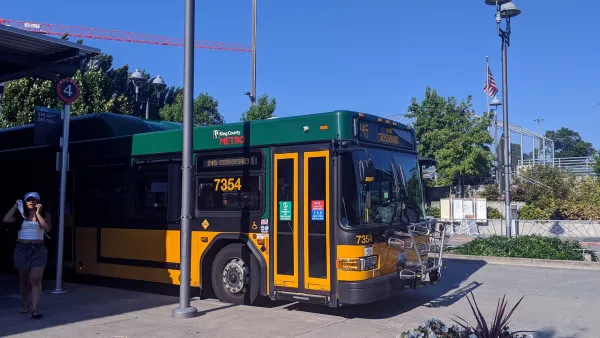
King County Metro adds 3,000 weekly bus trips, more connections to rail
King County Metro and Sound Transit are both making major adjustments to their bus networks to improve light rail connectivity across the region.
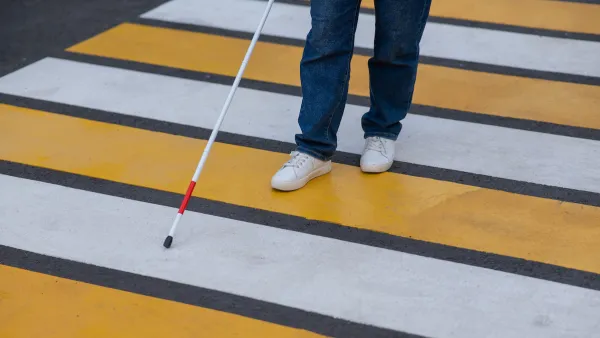
Being a Non-Driver in a Car-Dependent World
A third or more of Americans cannot drive due to their age, ability, or other factors. How can their travel needs inform our transportation systems?

Planetizen Federal Action Tracker
A weekly monitor of how Trump’s orders and actions are impacting planners and planning in America.

Colorado’s Largest Data Center Could Rise Next to Homes — Without a Public Hearing
The proposed campus would consume 11 times the power of Denver International Airport; as it has across the country, opposition mounts.

US to reduce Colorado River water deliveries to Mexico
A new Colorado Treaty amendment reduces Mexico’s Colorado River water allocation by 250,000 acre feet.

Judges permit Denver to divert 77,000 acre feet from the Colorado River for reservoir expansion
Overuse and climate change have caused the Colorado River’s water levels to plummet.
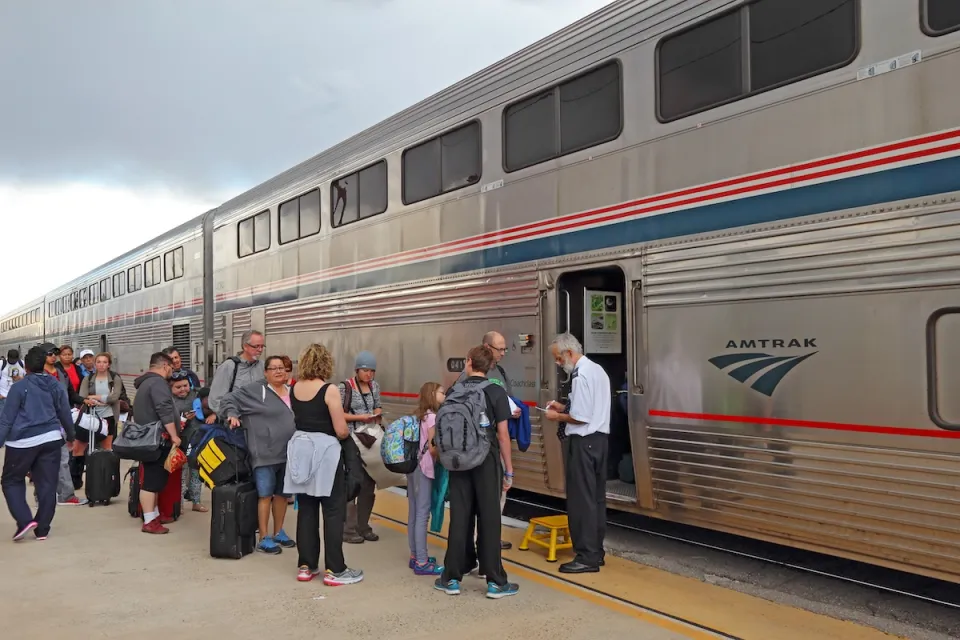
Amtrak, CN end decades-long dispute with eight-year agreement
The new operating agreement establishes an updated framework for the companies to work together, including processes to resolve disputes.
Raised interest rates may kill financially vulnerable construction projects
The chief economist at ConstructConnect warns that if construction project owners are negatively impacted by the raised rates, it could result in delayed payments to contractors.

FREE Course: Walkable City 1: Why Walkability?
After describing his path towards focusing on walkability as the essence of good planning, Jeff Speck marches through his five principal reasons for making more walkable places.
Reinventing Malls: Planning Alchemy—Turning Gray Fields Into Gold
The course focuses on the opportunities and imperatives that shape reinvention of mall sites.

KFH Group Inc.
Greater Baltimore Committee
Eagle County Government
The Architects Foundation
University of Cincinnati Online
The Pocatello Development Authority
The Urban Renewal Agency of the City of Pocatello