The proposal would let non-profits build housing developments of up to six stories without a public rezoning process in mid-rise neighborhoods.


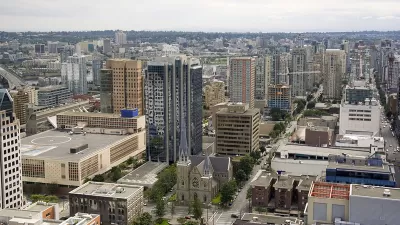
Vancouver's city council "is considering a staff proposal intended to make it faster, easier and less expensive to build social housing in certain mid-rise apartment zones" by allowing "non-profits to build social-housing developments of up to six storeys in these areas without requiring them to go through the expensive, time-consuming and public process of rezoning." As Dan Fumano reports in The Province, the proposal would add two stories to the height currently permitted in these areas and improve the permitting and construction timeline for social housing projects. While some of the city's housing advocates say the proposal doesn't go far enough to ease the city's housing crisis, critics "say [the changes] would also make the process less transparent and remove opportunities for public consultation."
"William Azaroff, CEO of the Brightside Community Homes Foundation, said while he supports the directions of these amendments, he would love to see them go both higher and broader, allowing eight- or 10-storey social-housing buildings and in more areas." Jill Atkey, CEO of the B.C. Non-Profit Housing Association, called the plan "a baby step in terms of improving affordability," adding that there is "nothing undemocratic" about upzoning. "People have attached this idea of attending a public hearing and voicing either their approval or opposition to the building that goes up next door as exercising their democratic rights," Atkey says, but "[w]e don’t have a constitutional right to determine who our neighbours are."
FULL STORY: Dan Fumano: 'Baby step' or too far? Vancouver city council mulls social-housing move


San Francisco Mayor’s ‘Family Zoning’ Plan Faces Pushback, Displacement Concerns
Newly proposed legislation aims to protect long-term tenants from displacement caused by Mayor Lurie’s proposed zoning reform plan, which would allow for more housing construction in parts of the city.
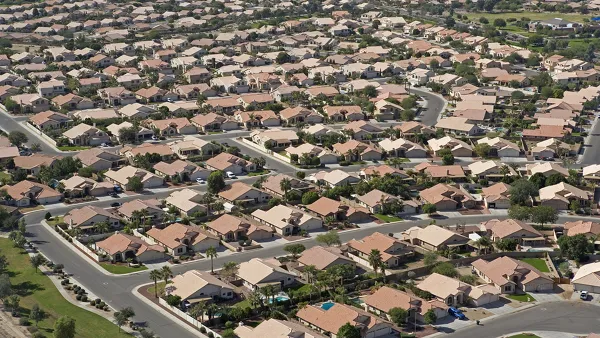
Arizona Enters the Upzoning Fray
Arizona lawmakers have proposed a bill that would boost the state's affordable housing fund and increase density in some residential areas.

Zoning Reform: Lessons From New Zealand
The island nation is mandating mid-density zoning requirements and transit-oriented development in an effort to increase housing affordability and encourage compact development.

The state-sanctioned urbicide of Austin
People don’t kill cities. Freeways do.

US to reduce Colorado River water deliveries to Mexico
A new Colorado Treaty amendment reduces Mexico’s Colorado River water allocation by 250,000 acre feet.

New Jersey’s second-largest city bans standalone data centers
Jersey City will continue to allow co-location facilities, such as those meant for research institutions that store their own data.

Amtrak not solely to blame for New Jersey commuter rail's unreliability, report finds
A new study from the Garden State Initiative found that NJ Transit’s budget grew 20% across a 4 year period, but reliability declined significantly over the same period.

EPA erases limits on planet-warming pollution from power plants
Under Monday’s plan, power plants would still have some limits on how much mercury, arsenic and other contaminants they can emit.

Phoenix announces new on-demand transit service, more frequent RAPID buses
Both new services will launch in October, and are part of Phoenix's Project Effective Access Solutions for Easing Congestion.

FREE Course: Walkable City 1: Why Walkability?
After describing his path towards focusing on walkability as the essence of good planning, Jeff Speck marches through his five principal reasons for making more walkable places.
Reinventing Malls: Planning Alchemy—Turning Gray Fields Into Gold
The course focuses on the opportunities and imperatives that shape reinvention of mall sites.

Eagle County Government
Harvard University Graduate School of Design
Nashville Planning Department
The Architects Foundation
University of Cincinnati Online
The Pocatello Development Authority
The Urban Renewal Agency of the City of Pocatello
Journal of the American Planning Association