Suddenly everyone and their mother has a housing plan. But not all housing plans are created equal.



After decades of neglect, housing policy has once again become visibly politicized in the U.S., a testament to effective organizing by groups like KC Tenants and Moms for Housing. As a result, politicians everywhere, from President Joe Biden to candidates for mayor in NYC, suddenly have housing proposals.
Public-facing policy proposals–whether you encounter them on a candidate’s website or during a mayor’s State of the City–can be difficult to parse because they serve multiple purposes: a signal to a politician’s constituencies, a strike against political opposition, and (maybe!) a plan for accountable governance.
To truly reshape housing would require major changes to our economic system, beyond the control of any single elected official. At the same time, despite Reaganite promises to get the government out of housing, policy heavily shapes the way the U.S. housing system works. That is why political housing plans, whether they are coming from a city council or presidential candidate, hold meaning.
Here are five questions I use to evaluate housing policy proposals:
FULL STORY: When Politicians Claim They’ll Fix Housing, Here’s What You Should Look For

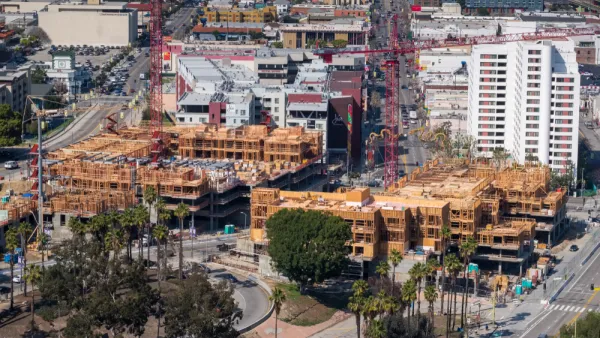
'The Affordable City' Offers Solutions for the U.S. Housing Affordability Crisis
An excerpt from the new book by Shane Phillips, "The Affordable City," published by Island Press.
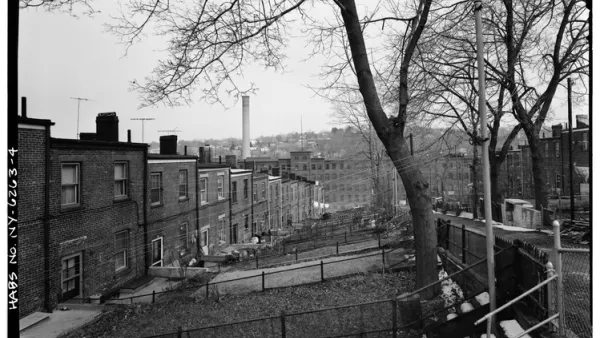
APA Lists Recommendations for State Housing Policy
In attendance this week at the National Conference of State Legislatures, the American Planning Association has announced its intentions to lobby attendees on housing policy.
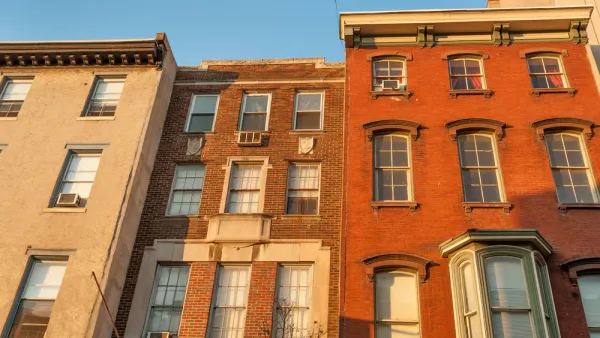
The 'Philadelphia Housing Action Plan' Targets 100,000 Units in 10 Years
Philadelphia officials are calling a new housing plan the city's first comprehensive citywide housing strategy.

Planetizen Federal Action Tracker
A weekly monitor of how Trump’s orders and actions are impacting planners and planning in America.

The state-sanctioned urbicide of Austin
People don’t kill cities. Freeways do.

US to reduce Colorado River water deliveries to Mexico
A new Colorado Treaty amendment reduces Mexico’s Colorado River water allocation by 250,000 acre feet.

Mamdani overhauls NYC's Vision Zero plan with 100 new policy goals
The overhaul aims to reduce traffic deaths and make streets safer for pedestrians, cyclists and drivers through lower speed limits, new safety infrastructure and more.

Amtrak not solely to blame for New Jersey commuter rail's unreliability, report finds
A new study from the Garden State Initiative found that NJ Transit’s budget grew 20% across a 4 year period, but reliability declined significantly over the same period.

EPA erases limits on planet-warming pollution from power plants
Under Monday’s plan, power plants would still have some limits on how much mercury, arsenic and other contaminants they can emit.

FREE Course: Walkable City 1: Why Walkability?
After describing his path towards focusing on walkability as the essence of good planning, Jeff Speck marches through his five principal reasons for making more walkable places.
Reinventing Malls: Planning Alchemy—Turning Gray Fields Into Gold
The course focuses on the opportunities and imperatives that shape reinvention of mall sites.

Eagle County Government
Harvard University Graduate School of Design
Nashville Planning Department
The Architects Foundation
University of Cincinnati Online
The Pocatello Development Authority
The Urban Renewal Agency of the City of Pocatello
Journal of the American Planning Association