The state legislature is weighing three proposals that seek to fund improvements to aging infrastructure and upgrade the state's transportation network.


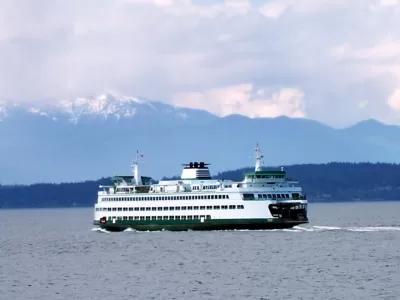
A Washington state proposal would add a 3-cent-per-gallon gas tax, among other new taxes, to fund road improvements and make up for revenue lost during the pandemic, reports Michelle Baruchman for the Seattle Times. The measure, proposed by state Senator Curtis King, would also raise the sales tax on bicycles and bike parts and increase fares on public transit, ferries, and rideshare services. King, the ranking Republican on the state Senate Transportation Committee, said of his proposal, "it’s time we made everybody contribute and pay for what they use."
King's plan would raise $10 billion in eight years to be used primarily to fund highway maintenance and preservation, replace aging bridges on Interstate 5 and the West Seattle Bridge, and fund other highway megaprojects. It also supports funding infrastructure for hydrogen-powered cars, "devoting $300 million in his plan to helping with the production of hydrogen, installing service stations and providing incentives for the purchase of hydrogen-fueled vehicles."
Other transportation and infrastructure proposals in the state senate focus on non-highway projects, carbon fees, and "ambitious plans to tackle the transportation sector’s contributions to climate change." A proposal from Senator Jake Fey "calls for a 16-year, $27 billion program that would include a $15 per ton fee on carbon emissions and an 18-cent hike in gas taxes, phased over two years." Another "proposes a 12-year, $14.3 billion plan that would levy a carbon fee as well as a tax on luxury aircraft and yachts." All three proposals are being debated in the current legislative session.
FULL STORY: New Washington transportation plan includes taxes on gas and bikes, fees on transit

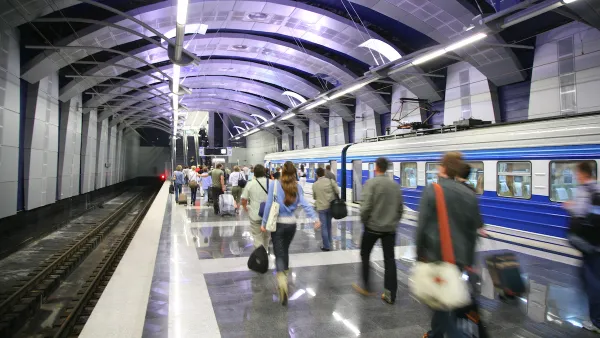
Freedom to Move: Investing in Transportation Choices for a Clean, Prosperous, and Just Future
This Union of Concerned Scientists study examines why and how to improve resource-efficient travel options to achieve diverse goals. It estimates that more efficient transport could save up to $201 billion in energy and $128 billion in health costs.
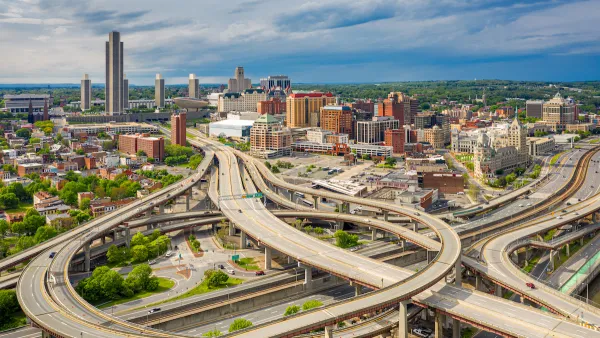
New York State DOT Invests Heavily in Highways Over Transit
So far, the department has allocated 90 percent of its federal transportation funding to road projects and less than 1 percent to transit.
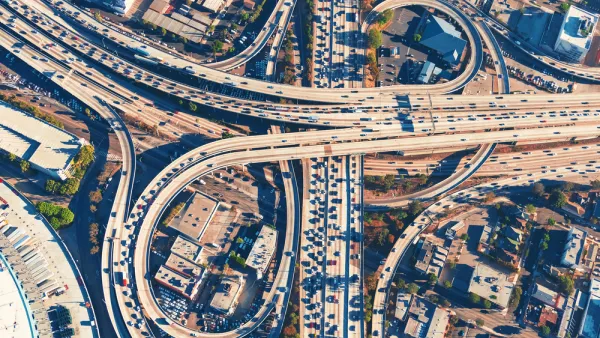
L.A. Times: California Must Shift Transportation Spending Priorities
Despite its ambitious emissions reduction goals, California continues to spend a majority of transportation funds on car-centric infrastructure.

Planetizen Federal Action Tracker
A weekly monitor of how Trump’s orders and actions are impacting planners and planning in America.

The state-sanctioned urbicide of Austin
People don’t kill cities. Freeways do.

US to reduce Colorado River water deliveries to Mexico
A new Colorado Treaty amendment reduces Mexico’s Colorado River water allocation by 250,000 acre feet.

5 New England states march closer to 800 megawatt wind energy project
Securing federal approval for the project may be complicated under the Trump administration, which has historically been hostile towards domestic wind power.

Baltimore to break ground on $50 million Transit Priority Project
The project will bring faster bus trips, safer streets and better bike connections to Baltimore.

Airbnb launches $250 million 'last-dollar financing' housing accelerator, makes first investment in Austin
The company will put $6.4 million towards affordable housing development in Texas’ capital.

FREE Course: Walkable City 1: Why Walkability?
After describing his path towards focusing on walkability as the essence of good planning, Jeff Speck marches through his five principal reasons for making more walkable places.
Reinventing Malls: Planning Alchemy—Turning Gray Fields Into Gold
The course focuses on the opportunities and imperatives that shape reinvention of mall sites.

Eagle County Government
Harvard University Graduate School of Design
Nashville Planning Department
The Architects Foundation
University of Cincinnati Online
The Pocatello Development Authority
The Urban Renewal Agency of the City of Pocatello
Journal of the American Planning Association