A new online interactive mapping tool illustrates just how much developable land is devoted to one for of residential housing in the state of Connecticut.


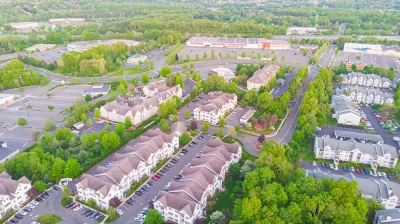
Desegregate Connecticut has released a new Connecticut Zoning Atlas in collaboration with the Connecticut Data Collaborative and with the participation of 63 municipal planners across the state. First and foremost, the Atlas illustrates a lack of zoning for multi-family housing across the state.
"We think it shows how outdated zoning laws make it hard to build diverse, affordable housing," reads the introductory text of the Atlas.
An article by Michael Hamad offers insight into the findings and methodology of the new Atlas.
"Among the key findings of the map is the glaring absence of land where family housing of four or more units can be developed without a public hearing — only 2.0% of all land in Connecticut, compared with 90.6% zoned for single-family housing," writes Hamad. "Two-family housing can be developed without a public hearing on 28.1% of Connecticut land, while three-family housing is allowable on only 2.3%."
Desegregate Connecticut was founded in the summer of 2020, spearheaded by Sara Bronin, former chair of the Hartford Planning and Zoning Commission, a source of frequent news and commentary on Planetizen.


Watch: The Laws and Policies Driving Up the Cost of Housing
A Vox explainer video tackles the rising cost of housing in the United States.

Zoning Reform Skepticism
Ending single-family zoning, as more cities around the United States have begun to do, is too extreme a response to contemporary planning challenges, according to a recent opinion piece published by the East Bay Times.

Upzoning Catches on in California
Eliminating single-family zoning and other exclusionary ordinances could have major impacts on housing in some of the country's most unaffordable cities.

The state-sanctioned urbicide of Austin
People don’t kill cities. Freeways do.

US to reduce Colorado River water deliveries to Mexico
A new Colorado Treaty amendment reduces Mexico’s Colorado River water allocation by 250,000 acre feet.

New Jersey’s second-largest city bans standalone data centers
Jersey City will continue to allow co-location facilities, such as those meant for research institutions that store their own data.

Amtrak not solely to blame for New Jersey commuter rail's unreliability, report finds
A new study from the Garden State Initiative found that NJ Transit’s budget grew 20% across a 4 year period, but reliability declined significantly over the same period.

EPA erases limits on planet-warming pollution from power plants
Under Monday’s plan, power plants would still have some limits on how much mercury, arsenic and other contaminants they can emit.

Phoenix announces new on-demand transit service, more frequent RAPID buses
Both new services will launch in October, and are part of Phoenix's Project Effective Access Solutions for Easing Congestion.

FREE Course: Walkable City 1: Why Walkability?
After describing his path towards focusing on walkability as the essence of good planning, Jeff Speck marches through his five principal reasons for making more walkable places.
Reinventing Malls: Planning Alchemy—Turning Gray Fields Into Gold
The course focuses on the opportunities and imperatives that shape reinvention of mall sites.

Eagle County Government
Harvard University Graduate School of Design
Nashville Planning Department
The Architects Foundation
University of Cincinnati Online
The Pocatello Development Authority
The Urban Renewal Agency of the City of Pocatello
Journal of the American Planning Association