As the pandemic leaves restaurants and food businesses struggling to make ends meet, the Dallas City Council will evaluate a proposal legalizing detached food carts.


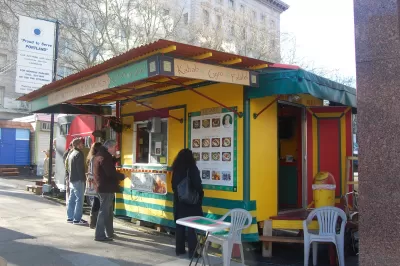
The Dallas City Council is reevaluating its food truck regulations and considering expanding the ordinance to include detached trailers and shipping containers that serve food. The city is gathering information from other cities such as Portland, which found in a 2013 report that "food carts have positive impacts on street vitality and neighborhood life in lower-density residential neighborhoods as well as in the high-density downtown area." Trailers or carts that serve food, as opposed to trucks, writes Taylor Adams for the Dallas Observer, are much cheaper to set up and operate, and vacant lots are plentiful.
"The purpose behind these changes is to keep those barriers to entry low, making it an affordable option for restaurateurs who have been forced to close or unemployed chefs or people with great food who aren’t ready to make the dive into a $200,000 food truck or a five-year lease, but they could spend $25,000 outfitting a food trailer" says Kristin Leiber, senior project manager for Better Block. With the pandemic forcing restaurants to drastically reduce service or shut down altogether, food trailers can be a lifeline for struggling businesses.
The proposal could reach the City Council agenda by March.
FULL STORY: Dallas to Consider Expanding Food Truck Ordinance

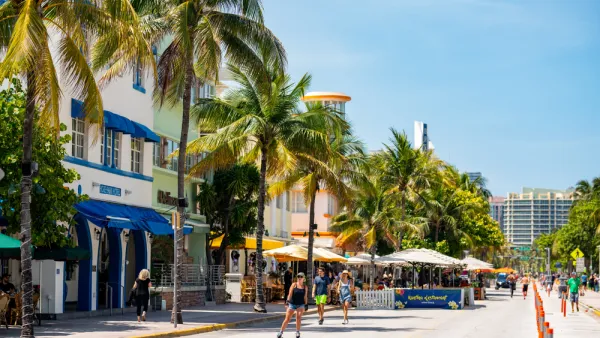
Miami Beach to Reopen Ocean Drive to Cars
The famous cruising strip was off-limits to cars during the pandemic. Now, the city is letting vehicles return with some pedestrian-oriented compromises.
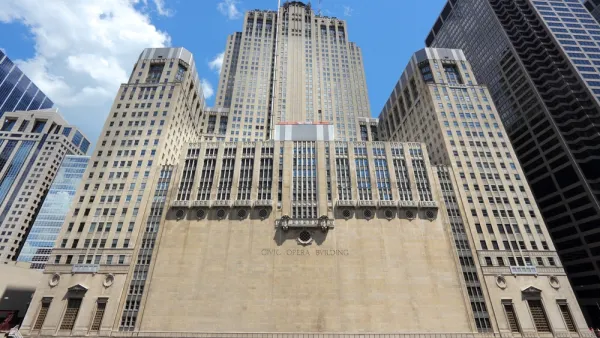
Signs of Financial Distress Among Office Properties
The foreclosure risk facing a pair of high-profile office buildings highlight the debt difficulties facing the office sector as it deals with the fallout of the pandemic. The trend could be on the verge of picking up steam.
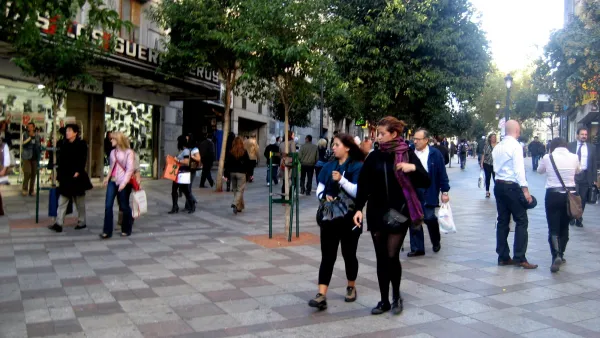
Pedestrian Malls in the 21st Century
The successes and failures of past pedestrian malls can inform the future of pandemic-induced "open streets" programs.

Planetizen Federal Action Tracker
A weekly monitor of how Trump’s orders and actions are impacting planners and planning in America.

The state-sanctioned urbicide of Austin
People don’t kill cities. Freeways do.

US to reduce Colorado River water deliveries to Mexico
A new Colorado Treaty amendment reduces Mexico’s Colorado River water allocation by 250,000 acre feet.

5 New England states march closer to 800 megawatt wind energy project
Securing federal approval for the project may be complicated under the Trump administration, which has historically been hostile towards domestic wind power.

Baltimore to break ground on $50 million Transit Priority Project
The project will bring faster bus trips, safer streets and better bike connections to Baltimore.

Airbnb launches $250 million 'last-dollar financing' housing accelerator, makes first investment in Austin
The company will put $6.4 million towards affordable housing development in Texas’ capital.

FREE Course: Walkable City 1: Why Walkability?
After describing his path towards focusing on walkability as the essence of good planning, Jeff Speck marches through his five principal reasons for making more walkable places.
Reinventing Malls: Planning Alchemy—Turning Gray Fields Into Gold
The course focuses on the opportunities and imperatives that shape reinvention of mall sites.


Eagle County Government
Harvard University Graduate School of Design
Nashville Planning Department
The Architects Foundation
University of Cincinnati Online
The Pocatello Development Authority
The Urban Renewal Agency of the City of Pocatello
Journal of the American Planning Association