A recent survey by the National Recreation and Park Association reveals that many park agencies are deferring or canceling maintenance and capital projects.


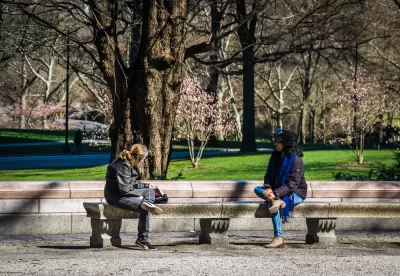
In the midst of a pandemic, parks and recreational facilities have proven to be popular destinations and essential infrastructure for a weary public seeking respite. Unfortunately, a recent survey by the National Recreation and Park Association (NRPA) reveals that park agencies are struggling financially, suggesting that they will have a hard time keeping up with community needs. Specifically, budget cuts are resulting in the delay or even cancellation of maintenance and capital projects. In this article, Kevin Roth of the NRPA reveals the following key findings from the survey:
- Half of the park and recreation agencies that responded to the December Parks Snapshot survey indicated that they had reduced their previously budgeted 2021 operating spending, with a median reduction of 20 percent.
- One third of park and recreation leaders indicated in the same survey that they had reduced 2021 capital budgets in response to the current financial challenges.
- 36 percent of agencies located in large metropolitan areas were cutting back spending on capital projects, compared to 30 percent of agencies located in small metropolitan and rural areas.
- The typical agency reduced its capital budgets by 37 percent, with 1 in 6 agencies cutting capital expenditures by at least half.
FULL STORY: How Strained Budgets Led to Maintenance Deferments and Capital Project Delays

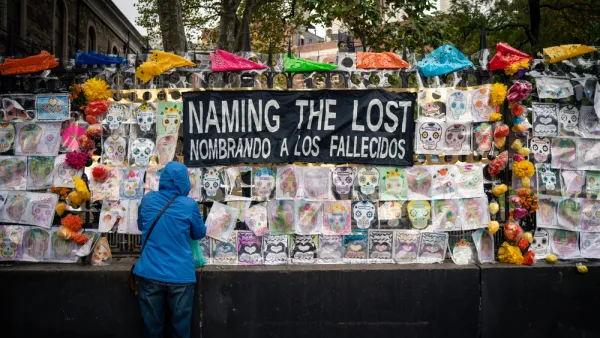
Haves and Have Nots: Planning and the Deep Divides of the Pandemic
The latest in a series of compendia gathering news and analysis about the effects of the COVID-19 on the built and natural environments—now and long into the future.
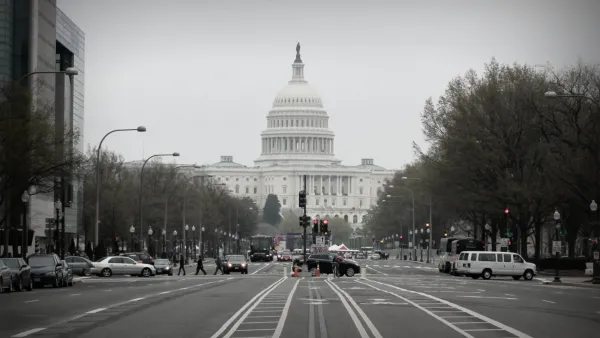
COVID Stimulus Details for Planners
A few last minute changes were included in the version of the COVID-19 Emergency Relief Act of 2020, approved by Congress last night.

Seeking Public Input on Regional and Rural Park Needs
As part of a study, the Los Angeles County Department of Parks and Recreation is conducting a survey to better understand the use of facilities like beaches, natural areas, open spaces, regional parks, trails, and local parks in rural areas.

Planetizen Federal Action Tracker
A weekly monitor of how Trump’s orders and actions are impacting planners and planning in America.

The state-sanctioned urbicide of Austin
People don’t kill cities. Freeways do.

US to reduce Colorado River water deliveries to Mexico
A new Colorado Treaty amendment reduces Mexico’s Colorado River water allocation by 250,000 acre feet.

5 New England states march closer to 800 megawatt wind energy project
Securing federal approval for the project may be complicated under the Trump administration, which has historically been hostile towards domestic wind power.

Baltimore to break ground on $50 million Transit Priority Project
The project will bring faster bus trips, safer streets and better bike connections to Baltimore.

Airbnb launches $250 million 'last-dollar financing' housing accelerator, makes first investment in Austin
The company will put $6.4 million towards affordable housing development in Texas’ capital.

FREE Course: Walkable City 1: Why Walkability?
After describing his path towards focusing on walkability as the essence of good planning, Jeff Speck marches through his five principal reasons for making more walkable places.
Reinventing Malls: Planning Alchemy—Turning Gray Fields Into Gold
The course focuses on the opportunities and imperatives that shape reinvention of mall sites.

Eagle County Government
Harvard University Graduate School of Design
Nashville Planning Department
The Architects Foundation
University of Cincinnati Online
The Pocatello Development Authority
The Urban Renewal Agency of the City of Pocatello
Journal of the American Planning Association