With bike sales soaring as people seek out safe outdoor recreation, institutional support and investment can maintain the growth of cycling as commuters start going back to work.


As Americans sought out socially distanced ways to stay active and roads were suddenly cleared of intimidating traffic for much of 2020, bicycling boomed in popularity. In the United States, bike sales grew by 62%, while e-bike sales rose by a whopping 144%. However, writes Andrew J. Hawkins, American roads have also become more unsafe in recent years, with cycling deaths increasing by 38% in the last decade. And the traffic is coming back: after dropping by close to 40% in April, vehicle miles traveled in the United States rebounded to almost-average levels(down only 9% in September compared to the same month in 2019).
To sustain the growth of biking as a mode share rather than a short-lived trend, Hawkins argues that cities must take active steps to improve bike infrastructure and make new riders feel safe on the road. He suggests the federal government can fund programs that direct money toward bike lanes and offer tax credits for bike purchases to incentivize consumers, while cities can expand upon pandemic-prompted "slow streets" programs and temporary bike and pedestrian improvements. "It will be a turf war, as bikes will need to take physical space away from cars to maintain any forward momentum," Hawkins predicts, but the advances of 2020 gave us a glimpse into a world where two-wheeled transportation gets serious institutional support.
FULL STORY: How to keep the bike boom from fizzling out

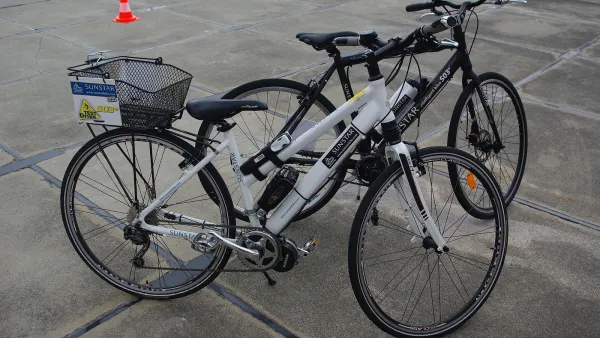
The E-Bike Boom Continues
The popularity of electric bikes doesn't seem to be waning as the devices outpace electric car sales by almost two to one.
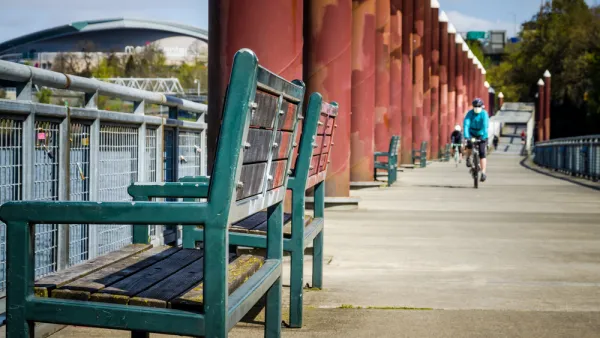
Can Portland's Bike Boom Outlast the Pandemic?
"Anytime the city does something to dramatically improve streets for people and limit car access...it’s hard to take them back."
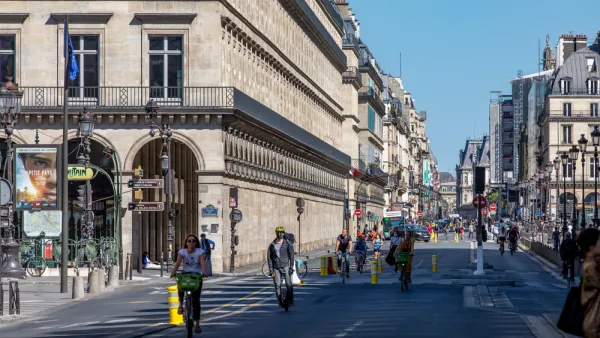
More Bikes Lanes, More Bikes: Lessons from the Pandemic
New research ties pop up bike lanes implemented in Europe during the pandemic to increased levels of biking.

Planetizen Federal Action Tracker
A weekly monitor of how Trump’s orders and actions are impacting planners and planning in America.

The state-sanctioned urbicide of Austin
People don’t kill cities. Freeways do.

US to reduce Colorado River water deliveries to Mexico
A new Colorado Treaty amendment reduces Mexico’s Colorado River water allocation by 250,000 acre feet.

Mamdani overhauls NYC's Vision Zero plan with 100 new policy goals
The overhaul aims to reduce traffic deaths and make streets safer for pedestrians, cyclists and drivers through lower speed limits, new safety infrastructure and more.

Amtrak not solely to blame for New Jersey commuter rail's unreliability, report finds
A new study from the Garden State Initiative found that NJ Transit’s budget grew 20% across a 4 year period, but reliability declined significantly over the same period.

EPA erases limits on planet-warming pollution from power plants
Under Monday’s plan, power plants would still have some limits on how much mercury, arsenic and other contaminants they can emit.

FREE Course: Walkable City 1: Why Walkability?
After describing his path towards focusing on walkability as the essence of good planning, Jeff Speck marches through his five principal reasons for making more walkable places.
Reinventing Malls: Planning Alchemy—Turning Gray Fields Into Gold
The course focuses on the opportunities and imperatives that shape reinvention of mall sites.

Eagle County Government
Harvard University Graduate School of Design
Nashville Planning Department
The Architects Foundation
University of Cincinnati Online
The Pocatello Development Authority
The Urban Renewal Agency of the City of Pocatello
Journal of the American Planning Association