Recent investigations into the conditions facing workers in private parking lots in Philadelphia has produced a series of legislation reforms, but one idea, to lower the city's parking tax, isn't going to fly with this opinion writer.


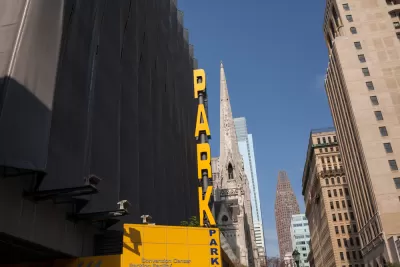
A recent investigation into the working conditions of private parking companies in Philadelphia has produced a series of legislative responses designed to protect the health and safety of both parking lot employees and the people who pay to park in the city's private lots.
According to an opinion piece by Daniel Trubman, one of the legislative responses to the problems facing parking lot employees goes too far, however, in suggesting a reduction for the city's parking tax.
"We must move beyond the idea that the way to secure well-paying jobs is to cut the taxes of dangerous and environmentally destructive industries. That’s a strategy befitting a 19th-century coal mining town, not the dynamic and innovative Philadelphia of 2020," writes Trubman.
Among the causes betrayed by the proposed reduction of the city's parking tax, according to Trubman, are climate change mitigation, air quality, a green economy, air quality, Vision Zero, public transit, and progressive tax reform.
"Which services does this city envision should be cut even further in the near future for the benefit of drivers? Should more librarians be laid off? Should the hours and programming at the city’s recreation centers be further reduced? Does this council envision the need for homeless services will decrease in the coming years?"
FULL STORY: Why Mayor Kenney must defend Philly’s parking tax

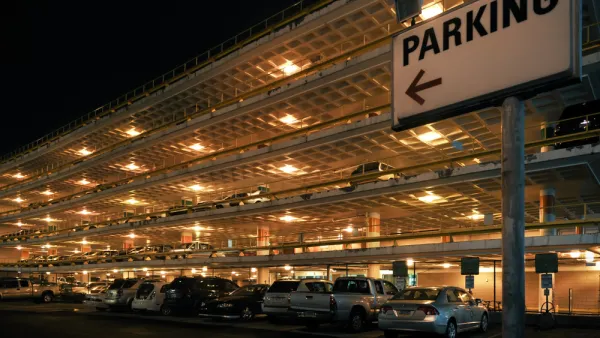
Editorial: Pittsburgh Fails to Provide Adequate Parking Around Downtown
New development coming to Downtown Pittsburgh lacks sufficient parking, according to the Pittsburgh Post-Gazette.
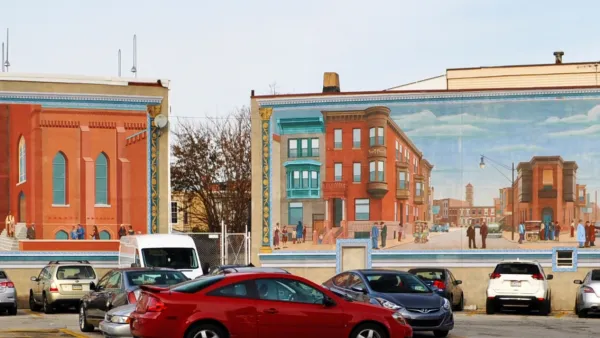
Philadelphia's downtown parking lots are a 'valuable, untapped resource'
Over two dozen city-owned parking lots could be developed into housing or other uses.
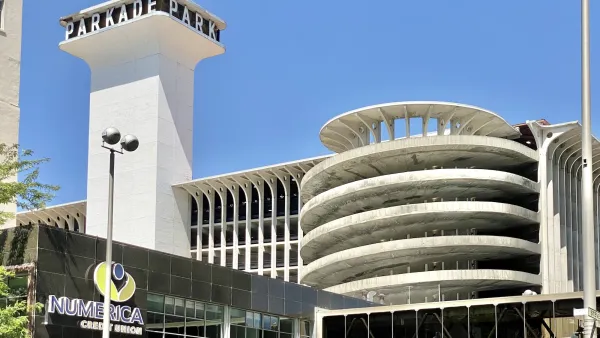
Spokane Passes 12% Parking Tax
The new tax will support city transportation projects.

The state-sanctioned urbicide of Austin
People don’t kill cities. Freeways do.

US to reduce Colorado River water deliveries to Mexico
A new Colorado Treaty amendment reduces Mexico’s Colorado River water allocation by 250,000 acre feet.

New Jersey’s second-largest city bans standalone data centers
Jersey City will continue to allow co-location facilities, such as those meant for research institutions that store their own data.

Amtrak not solely to blame for New Jersey commuter rail's unreliability, report finds
A new study from the Garden State Initiative found that NJ Transit’s budget grew 20% across a 4 year period, but reliability declined significantly over the same period.

EPA erases limits on planet-warming pollution from power plants
Under Monday’s plan, power plants would still have some limits on how much mercury, arsenic and other contaminants they can emit.

Phoenix announces new on-demand transit service, more frequent RAPID buses
Both new services will launch in October, and are part of Phoenix's Project Effective Access Solutions for Easing Congestion.

FREE Course: Walkable City 1: Why Walkability?
After describing his path towards focusing on walkability as the essence of good planning, Jeff Speck marches through his five principal reasons for making more walkable places.
Reinventing Malls: Planning Alchemy—Turning Gray Fields Into Gold
The course focuses on the opportunities and imperatives that shape reinvention of mall sites.

Eagle County Government
Harvard University Graduate School of Design
Nashville Planning Department
The Architects Foundation
University of Cincinnati Online
The Pocatello Development Authority
The Urban Renewal Agency of the City of Pocatello
Journal of the American Planning Association