The pandemic has affected all of us in big and small ways. A park planner shares how his professional and personal lives have changed as a result of the coronavirus.


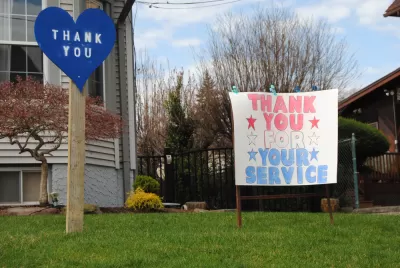
COVID-19 has impacted how we live, work, and play. In this article, park planner Clement Lau shares how he has been affected, professionally and personally, by the pandemic.
Like most people, Lau was compelled to telework. Teleworking full-time initially meant that he no longer had a commute that involved the use of public transit and extensive walking which he enjoyed. Lau also discusses how the pandemic resulted in budget cuts, programs and positions being eliminated at his work, and temporary reassignment of colleagues to COVID-related efforts. In addition, the closure of certain park amenities like playgrounds and basketball courts have been especially challenging, because those are the very attractions that his family enjoys the most.
But things have not been all negative. Lau shares a few silver linings, which most of us can probably relate to: working from home offers some advantages and has not impacted productivity; being forced to stay inside has created more time to reflect, read, and write; and being forced to stay inside has also inspired a greater appreciation for nature and green spaces.
Lau concludes by offering a word of encouragement to planners and parks and recreation professionals to take care of ourselves and our loved ones and stay strong so that we can continue to serve communities to the best of our ability.
FULL STORY: Reflections Of A Park Planner

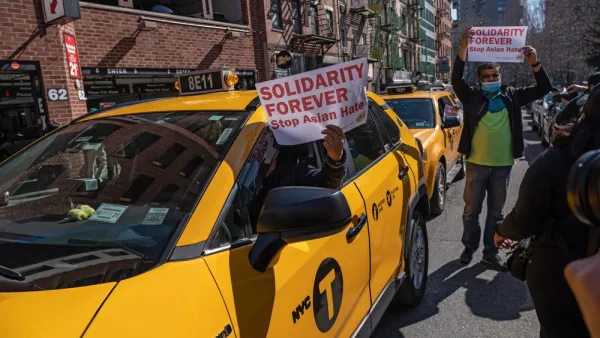
'Never Let a Good Crisis Go to Waste' and Planning in the Pandemic
The latest in a series of compendia collecting news and commentary focusing on the complexities of the COVID-19 pandemic's effect on communities.
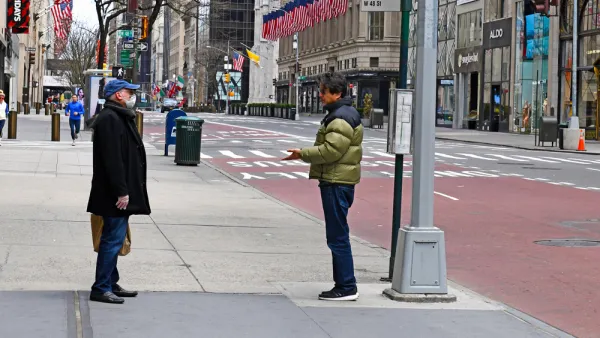
Friday Eye Candy: Covid-19, Then and Now
The New York Times compared images from readers portraying similar scenes in 2020 and 2022.
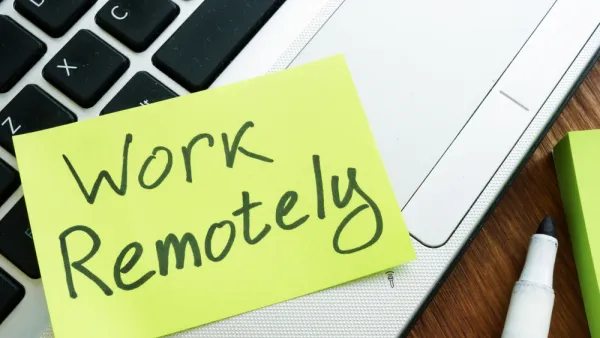
D.C., San Francisco Lead Pandemic Work From Home Trend
Remote work increased threefold during the pandemic, but the numbers vary significantly from city to city and region to region. Almost half of D.C.-area employees, for example, worked from home in 2021, according to American Community Survey data.

Planetizen Federal Action Tracker
A weekly monitor of how Trump’s orders and actions are impacting planners and planning in America.

The state-sanctioned urbicide of Austin
People don’t kill cities. Freeways do.

US to reduce Colorado River water deliveries to Mexico
A new Colorado Treaty amendment reduces Mexico’s Colorado River water allocation by 250,000 acre feet.

Airbnb launches $250 million 'last-dollar financing' housing accelerator, makes first investment in Austin
The company will put $6.4 million towards affordable housing development in Texas’ capital.

Guerilla urbanists are building DIY bus stop benches in Chicago
A before-and-after of one of the bus stops with a new bench. The new benches are not officially sanctioned or permitted, but the residents who placed them hope they will be the start of a network of DIY benches across the city.

Mamdani overhauls NYC's Vision Zero plan with 100 new policy goals
The overhaul aims to reduce traffic deaths and make streets safer for pedestrians, cyclists and drivers through lower speed limits, new safety infrastructure and more.

FREE Course: Walkable City 1: Why Walkability?
After describing his path towards focusing on walkability as the essence of good planning, Jeff Speck marches through his five principal reasons for making more walkable places.
Reinventing Malls: Planning Alchemy—Turning Gray Fields Into Gold
The course focuses on the opportunities and imperatives that shape reinvention of mall sites.

Eagle County Government
Harvard University Graduate School of Design
Nashville Planning Department
The Architects Foundation
University of Cincinnati Online
The Pocatello Development Authority
The Urban Renewal Agency of the City of Pocatello
Journal of the American Planning Association