Bike share data from six U.S. cities offer insight into how Americans have changed travel patterns during the pandemic.



CityMetric examined recent bike-share data from six US cities in which Lyft partners with city governments to manage their systems "to see if there are any lessons to be learned from the ways in which people have been using bikes during the pandemic," according to an article by Alexandra Kanik.
"Our analysis showed that the places that people are going most often in those cities has changed, often in response to city policy. It also showed that when cities enacted new policies such as offering free passes to essential workers, as well as adding or expanding docking stations near essential businesses, ridership fared better."
The article includes detailed trip and travel data, maps included, for the San Francisco Bay Area; New York City; the Boston metropolitan area; the D.C. metropolitan area; Portland, Oregon; and Columbus.
FULL STORY: The decisions cities made about coronavirus had a big impact on bike-share ridership

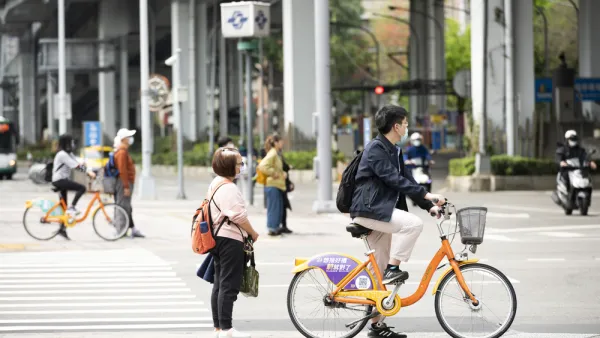
Bikes Gain Popularity as People Ditch Subways and Buses
Bike counts and bike share rides are increasing in two of the country's largest cities as commuters look for transportation modes that allow for physical distancing.

Can Portland's Bike Boom Outlast the Pandemic?
"Anytime the city does something to dramatically improve streets for people and limit car access...it’s hard to take them back."
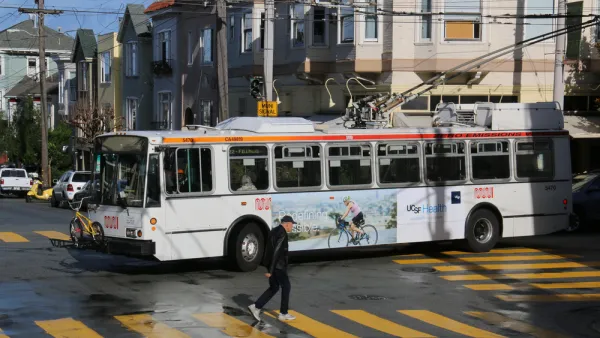
The Transit Catastrophe Continues: San Francisco, D.C. Forecast Service Cuts, Layoffs
Advocates have been waiting for the other shoe to drop as transit agencies deal with cratered revenues during the pandemic without support from Congress.

The state-sanctioned urbicide of Austin
People don’t kill cities. Freeways do.

US to reduce Colorado River water deliveries to Mexico
A new Colorado Treaty amendment reduces Mexico’s Colorado River water allocation by 250,000 acre feet.

New Jersey’s second-largest city bans standalone data centers
Jersey City will continue to allow co-location facilities, such as those meant for research institutions that store their own data.

Amtrak not solely to blame for New Jersey commuter rail's unreliability, report finds
A new study from the Garden State Initiative found that NJ Transit’s budget grew 20% across a 4 year period, but reliability declined significantly over the same period.

EPA erases limits on planet-warming pollution from power plants
Under Monday’s plan, power plants would still have some limits on how much mercury, arsenic and other contaminants they can emit.

Phoenix announces new on-demand transit service, more frequent RAPID buses
Both new services will launch in October, and are part of Phoenix's Project Effective Access Solutions for Easing Congestion.

FREE Course: Walkable City 1: Why Walkability?
After describing his path towards focusing on walkability as the essence of good planning, Jeff Speck marches through his five principal reasons for making more walkable places.
Reinventing Malls: Planning Alchemy—Turning Gray Fields Into Gold
The course focuses on the opportunities and imperatives that shape reinvention of mall sites.

Eagle County Government
Harvard University Graduate School of Design
Nashville Planning Department
The Architects Foundation
University of Cincinnati Online
The Pocatello Development Authority
The Urban Renewal Agency of the City of Pocatello
Journal of the American Planning Association