From the outset, defining the culture and character of a city is a daunting task, especially when the city around you disappears.


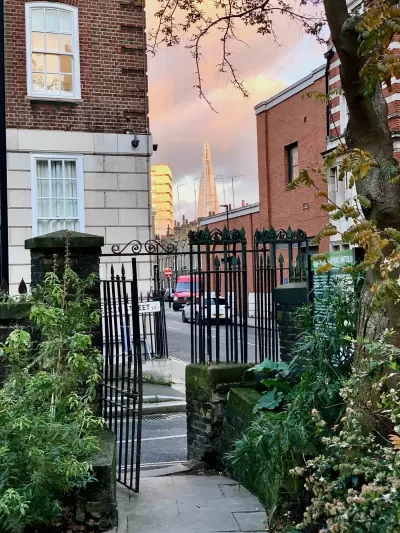
From London, Chuck Wolfe reports in with a prequel to his pending book with Tigran Haas, Sustaining a City's Culture and Character: Principles and Best Practices. The book--which calls for a co-created, holistic understanding of place amid today's pandemic-influenced, global/local blends--culminates a two-year project at the Centre for the Future of Places at the Royal Institute of Technology in Stockholm.
His adapted excerpt from the Introduction concludes:
In light of these complex, intermingled layers that define the city, I believe that if anyone tries to determine, declare and impose a local urban essence quickly and then sustain it—based only on dogma or as an urbanist missionary—it will escape them and slither through their hands. However, if they apply diligence and reflection concerning the day-to-day realities of urban life, they will gain a more accurate understanding of the blending that is actually underway. Mindfulness, which we are constantly counseled to apply to ourselves, is critical, because the world in an era of technological evolution and climate change is too unpredictable a place for detached soothsayers to prevail.
Expect a pandemic-delayed publication date soon from Rowman & Littlefield, likely late 2020/early 2021.
Read the full story: Challenge Ahead: Sustaining a City's Culture and Character

Unlocking the City with Context Keys
The human memory is so powerful that a place on pavement suddenly can trigger a stream of imagery from the distant past, or a meaningful story of something that once happened there. We should champion such keys to the context of a place.
Arts-Oriented Land Trusts Preserve Affordable Cultural Spaces
A community land trust in San Francisco is buying up properties with the goal of preserving affordable spaces for arts and culture.
Arts Performances Take to the Streets
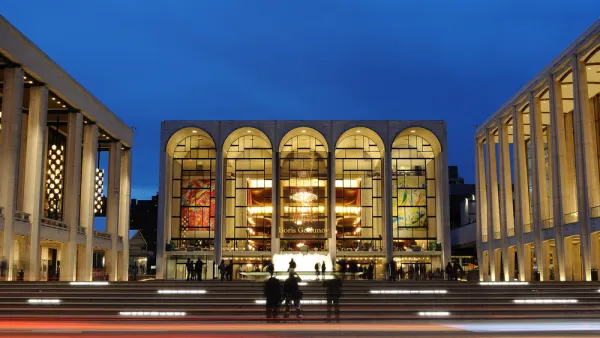
The New York City "Open Culture" program will offer artists of all kinds to move the stage to the street and other public spaces. It's like an open streets program for the arts.

Planetizen Federal Action Tracker
A weekly monitor of how Trump’s orders and actions are impacting planners and planning in America.

The state-sanctioned urbicide of Austin
People don’t kill cities. Freeways do.

US to reduce Colorado River water deliveries to Mexico
A new Colorado Treaty amendment reduces Mexico’s Colorado River water allocation by 250,000 acre feet.

Nation's most wind-powered state turns to coal as data centers increase energy demand
For the first time in decades, Iowa has increased its generation of coal power.

NYC cools commuters with city's first rain garden above a bus stop
New York City officials say the plants in the rain garden can absorb 16 gallons of rainwater during heavy storms.

Brightline West’s future may rely on $6 billion federal loan
The company has until Nov. 2 to make a $400 million equity investment into its proposed high-speed rail line.

FREE Course: Walkable City 1: Why Walkability?
After describing his path towards focusing on walkability as the essence of good planning, Jeff Speck marches through his five principal reasons for making more walkable places.
Reinventing Malls: Planning Alchemy—Turning Gray Fields Into Gold
The course focuses on the opportunities and imperatives that shape reinvention of mall sites.

Greater Baltimore Committee
Eagle County Government
Harvard University Graduate School of Design
The Architects Foundation
University of Cincinnati Online
The Pocatello Development Authority
The Urban Renewal Agency of the City of Pocatello
Journal of the American Planning Association