What would a crisis response that finally overcomes the history of slavery and structural racism in the United States look like?



The effects of the coronavirus have not been equal across race and class lines—in public health outcomes as well as economic outcomes. Perhaps more than ever before, the consequences of structural racism are on full display every single day in the United States, as more people of color lose their jobs and their lives at a higher rate than the general population in every corner of the country.
Stephen F. Gray, assistant professor of urban design at the Harvard Graduate School of Design and a founder of the Boston-based design firm Grayscale Collaborative, writes an opinion piece for Next City on how planners, designers, and policymakers can use those lessons to fight for intentionally antiracist policy agendas.
History hasn't been enough to divert from the status quo, according to Gray.
Though the COVID crisis has put the lethal legacy of slavery on full display, the CDC only recently started collecting and disaggregating data by race. Their slowness to act decisively is either from political embarrassment, willful ignorance, or ambivalence to the immediate and life-saving significance of this information, and so when the US President and many in his political party push to reopen the economy prematurely, we shouldn’t be surprised. Once again, economic concerns in this country are taking priority over public health concerns and human life, as they often do when black and brown people are involved.
So now, more than ever, is the time to take action, according to Gray, "to ensure that a post-COVID-19 recovery benefits both sides of the color-line and that we as a nation truly begin to address the structural roots of racial inequality."
Gray has some specific recommendations for achieving that kind of ambitious change. Ideas include, with a lot more detail provided in the source article, specific recommendations for housing policy, economic development, and the public domain.
Read the full story: COVID-19 Puts Structural Racism On Full Display — Will We Finally Do Something to Correct It?

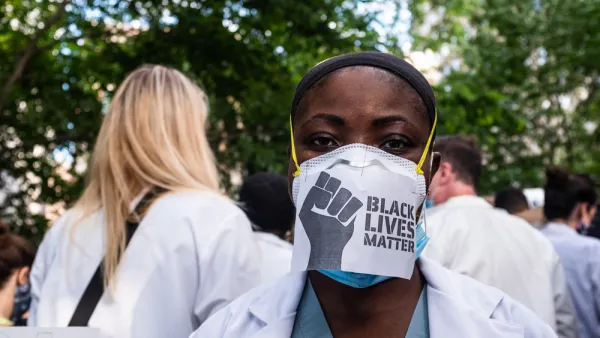
Debating the Future of Cities After the Coronavirus, Volume 3
The third installment of an ongoing, curated list of a particularly contemporary genre of urbanism punditry.

Pandemic, Equity Dominate 2020 Planning News
Even with the world shut down, many California planning issues continued to be debated online, fought over in court, enacted in city halls, and realized on the ground. And yet, racial equity and the pandemic are the defining stories of 2020.
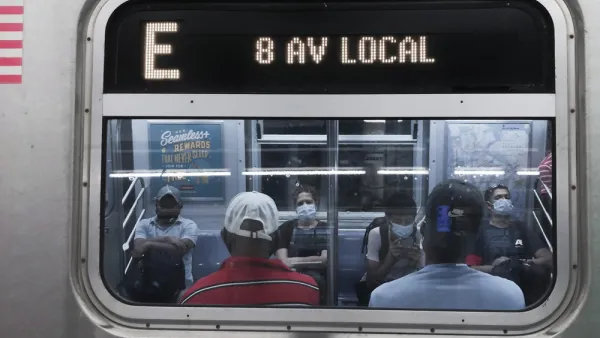
Formerly Redlined Neighborhoods Have Higher COVID-19 Prevalence, Study Says
Add COVID-19 to the list of long-term consequences of the racist and discriminatory regulatory and lending practices of the 20th century.

Planetizen Federal Action Tracker
A weekly monitor of how Trump’s orders and actions are impacting planners and planning in America.

The state-sanctioned urbicide of Austin
People don’t kill cities. Freeways do.

US to reduce Colorado River water deliveries to Mexico
A new Colorado Treaty amendment reduces Mexico’s Colorado River water allocation by 250,000 acre feet.

Nation's most wind-powered state turns to coal as data centers increase energy demand
For the first time in decades, Iowa has increased its generation of coal power.
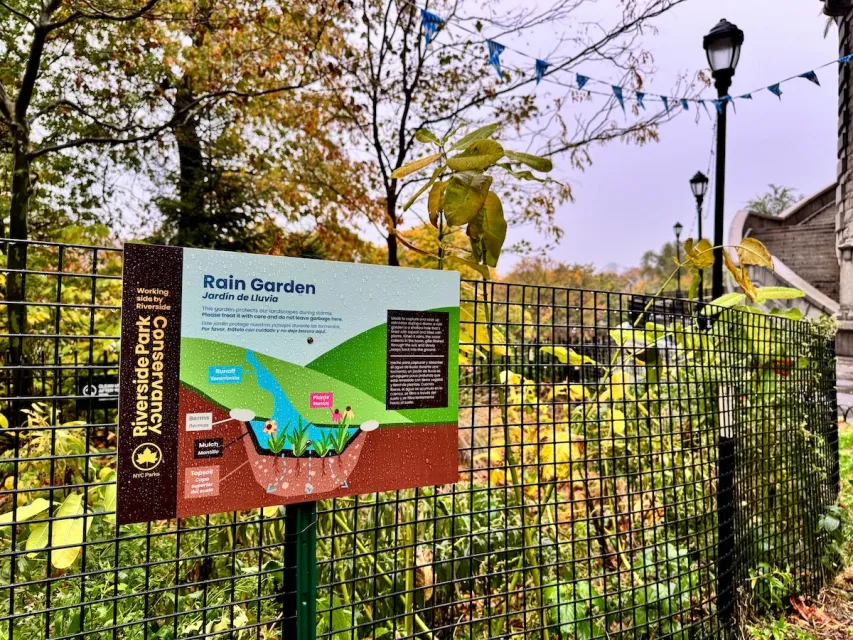
NYC cools commuters with city's first rain garden above a bus stop
New York City officials say the plants in the rain garden can absorb 16 gallons of rainwater during heavy storms.

Brightline West’s future may rely on $6 billion federal loan
The company has until Nov. 2 to make a $400 million equity investment into its proposed high-speed rail line.

FREE Course: Walkable City 1: Why Walkability?
After describing his path towards focusing on walkability as the essence of good planning, Jeff Speck marches through his five principal reasons for making more walkable places.
Reinventing Malls: Planning Alchemy—Turning Gray Fields Into Gold
The course focuses on the opportunities and imperatives that shape reinvention of mall sites.

Eagle County Government
Harvard University Graduate School of Design
Nashville Planning Department
The Architects Foundation
University of Cincinnati Online
The Pocatello Development Authority
The Urban Renewal Agency of the City of Pocatello
Journal of the American Planning Association