More evidence of the essential benefits of public transit, but this time the source of the evidence is found in rural communities all over the United States, like Hugo, Oklahoma.


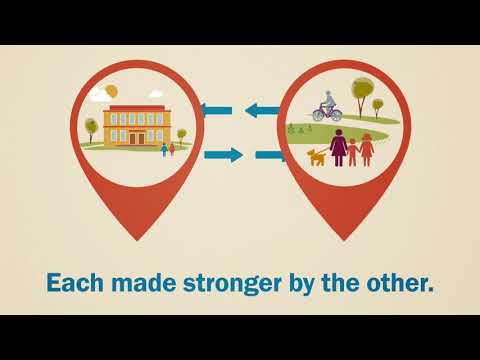
Aaron Gordon reports on the importance of public transit in rural settings, exemplified in the article by Little Dixie Transit in the small southeastern Oklahoma town of Hugo, which has a budget of $2 million in 2018.
The personal experiences of rural transit differentiate it from the massive public transit agencies in large cities and regions, but rural transit agencies have also been providing essential mobility services during the pandemic.
The coronavirus crisis has had a powerful revealing effect on all aspects of American life. Most poignantly, it has shown us what is essential to our health and well-being. In big cities, public transportation systems that get essential workers where they need to go have received deserved recognition for their critical role in managing the crisis.
But the transit agencies across the country that serve rural populations have been less recognized. In large part, this is because many people don’t even know there’s such a thing as a rural transit agency. When most people think of public transit they think of trains and buses in dense urban areas. And when they think of rural areas, they picture people in cars driving everywhere.
The article includes more insight from other rural transit agencies, as well as insight into the scope of rural transit agencies in the aggregate around the United States. The common thread is clear between all of these rural transit agencies: their work is underappreciated relative to the benefits they deliver to riders.
FULL STORY: Rural Transit Agencies Are Keeping People Alive

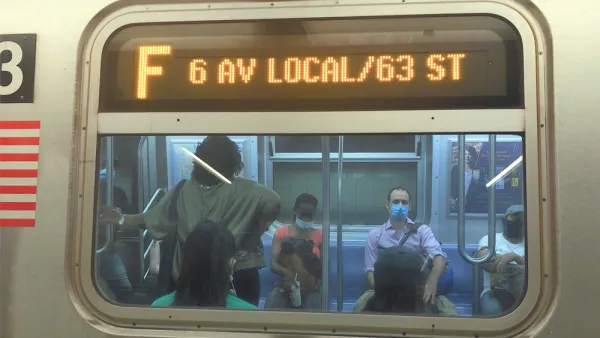
The Realities of Pandemic Public Transit Service
Recent analysis by TransitCenter quantifies the effects of the pandemic for the 150 largest U.S. transit systems.
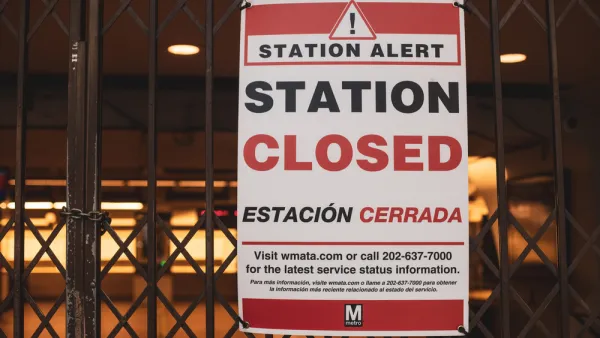
D.C. Metro Seeks Public Input on Proposed Service Cuts
D.C. Metro Seeks Public Input on Proposed Service Cuts
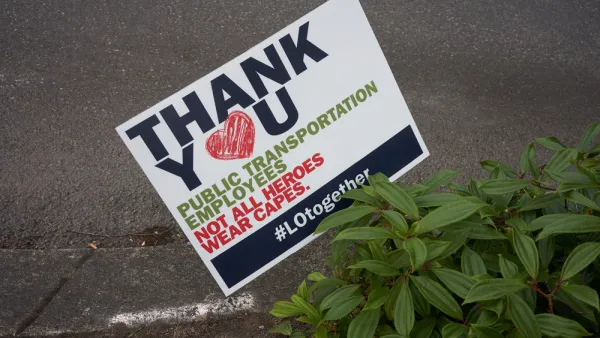
Public Transit in Crisis: Low-Income Riders Have the Most to Lose From Service Cuts
Riders who rely most on public transit are suffering the worst consequences of the cuts to service during the fiscal belt tightening of the coronavirus pandemic.

Planetizen Federal Action Tracker
A weekly monitor of how Trump’s orders and actions are impacting planners and planning in America.

The state-sanctioned urbicide of Austin
People don’t kill cities. Freeways do.

US to reduce Colorado River water deliveries to Mexico
A new Colorado Treaty amendment reduces Mexico’s Colorado River water allocation by 250,000 acre feet.

Colorado’s Largest Data Center Could Rise Next to Homes — Without a Public Hearing
The proposed campus would consume 11 times the power of Denver International Airport; as it has across the country, opposition mounts.

5 New England states march closer to 800 megawatt wind energy project
Securing federal approval for the project may be complicated under the Trump administration, which has historically been hostile towards domestic wind power.

Baltimore to break ground on $50 million Transit Priority Project
The project will bring faster bus trips, safer streets and better bike connections to Baltimore.

FREE Course: Walkable City 1: Why Walkability?
After describing his path towards focusing on walkability as the essence of good planning, Jeff Speck marches through his five principal reasons for making more walkable places.
Reinventing Malls: Planning Alchemy—Turning Gray Fields Into Gold
The course focuses on the opportunities and imperatives that shape reinvention of mall sites.

Eagle County Government
Harvard University Graduate School of Design
Nashville Planning Department
The Architects Foundation
University of Cincinnati Online
The Pocatello Development Authority
The Urban Renewal Agency of the City of Pocatello
Journal of the American Planning Association