Disaster gentrification is a widely documented phenomenon, like in New Orleans after Hurricane Katrina. The coronavirus and the resulting economic downturn could have similar consequences.


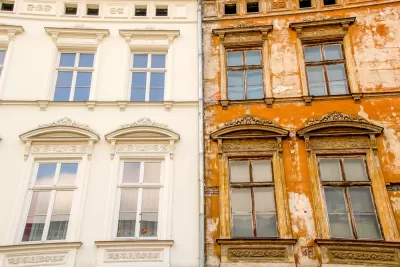
Marcus Harrison Green reports from an unincorporated neighborhood called Skyway, located just south of Seattle, where members of the Black community are pondering big questions about the likelihood of the current economic crisis to further drive processes of gentrification and displacement in the region.
Green finds a lot of uncertainty among local workers and business owners in a community already populated with residents that moved from neighborhoods close to the center of Seattle as a result of the increasing cost of living in the region. Like so many other cities, the working class, including many communities of color, has been displaced from traditional neighborhoods in Seattle. Many people in the region are worried that scarcities of work and government support are likely to exacerbate those trends.
Green's survey of the complexities of gentrification and displacement in the context of COVID-19 include a survey of proposed legislation that could stem the worst effects of the economic downtown resulting from stay-at-home orders in the state, as well as insight from experts on the potential for the crisis to exacerbate gentrification. Junia Howell, an urban sociologist at the University of Pittsburgh, is quoted to describe the likelihood of the coronavirus presents to vulnerable communities: "Crisis doesn’t just reveal inequality," says Howell "It makes it worse."
Read the full story: Coronavirus recovery can’t lead to a more gentrified Seattle

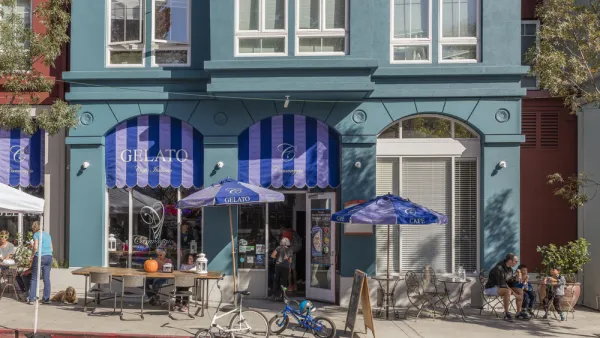
Prioritizing Open Air Spaces in Pandemic Recovery Efforts
Businesses and public health officials are working together to develop guidelines to provide goods and services to the public safely. They're visioning creative ways to bring businesses outdoors and promoting al fresco spaces.
Learning from Seattle
The original epicenter of coronavirus outbreak was also the first region in the nation to implement social distancing measures, serving as a national model of behaviors that lessen the spread of the deadly virus.
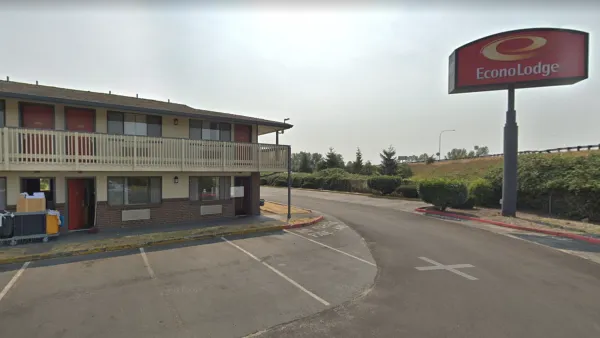
Dispute Over Siting of Coronavirus Quarantine Facility in Washington State
The Seattle area is ground zero for the coronavirus in the U.S., where 10 of the 11 deaths as of March 5 have occurred. King County's decision to purchase a motel in Kent for use as a quarantine facility is being met with protests by city officials.

Planetizen Federal Action Tracker
A weekly monitor of how Trump’s orders and actions are impacting planners and planning in America.

California plans to bury El Niño’s downpour
If the state plays its cards right, it may be able to store a billion acre-feet of El Niño’s water in aquifers.

Desperate measures: Advocates weigh draining Lake Powell to fill Colorado River
Draining the reservoir could reduce evaporation losses by a couple hundred thousand acre-feet.

California city breaks ground on transit connector
The project includes three mobility hubs and a pedestrian bridge.

After public outcry, Massachusetts city releases housing development tracker
Cambridge’s tracker currently shows 250 housing projects in various stages of development.

40 years after approval, Chicago breaks ground on new park
The park honors Jean Baptiste Point du Sable, the city’s first permanent non-native settler.

FREE Course: Walkable City 1: Why Walkability?
After describing his path towards focusing on walkability as the essence of good planning, Jeff Speck marches through his five principal reasons for making more walkable places.
Reinventing Malls: Planning Alchemy—Turning Gray Fields Into Gold
The course focuses on the opportunities and imperatives that shape reinvention of mall sites.

City of Rosemead
Rutgers University, Edward J. Bloustein School of Planning and Public Policy
One Hundred Miles
Hunter College, City University of New York (CUNY)
The Architects Foundation
University of Cincinnati Online
City of Cambridge
Montrose County
The Pocatello Development Authority