As a first step in furthering goals set in the Minneapolis 2040 Comprehensive Plan, Minneapolis recently released the draft of a new ten-year transportation plan.


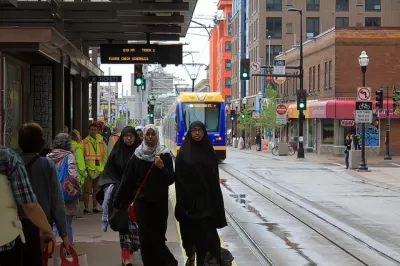
Miguel Otárola reports on the newly released draft of the Minneapolis Transportation Action Plan, a ten-year action plan to guide the future planning, design, and implementation of transportation projects in the city.
The guiding document, presented to the City Council’s transportation and public works committee, seeks to make other forms of transportation more accessible and appealing than driving. By doing so, city officials hope to reduce the number of vehicles on the road and lower greenhouse gas emissions that contribute to global warming.
Moreover:
A 2010 travel behavior study by the Metropolitan Council showed 68% of trips in the city were taken by car, a majority of which were by people driving alone. By 2030, transportation officials want to bring that down to 40%, according to the plan.
The draft of the plan clocks in at at 252 pages, and earned initial praise from most members of the City Council's Transportation and Public Works Committee. Councilmember Linea Palmisano, also a committee member, expressed skepticism that the plan could attain its ambitious goals.
As reported previously by Otárola, the transportation plan is intended to further the transportation goals set in the city's groundbreaking Minneapolis 2040 Comprehensive Plan.
FULL STORY: Minneapolis bets on walking, public transit to overtake driving by 2030

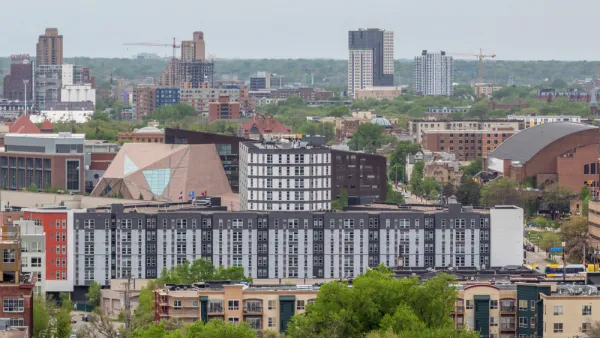
Minneapolis Eliminates Parking Requirements Citywide
Minneapolis joins the avant garde of cities implementing a dramatic overhaul of the parking requirement status quo that has been a primary determinant of the form and function of cities for nearly a century.
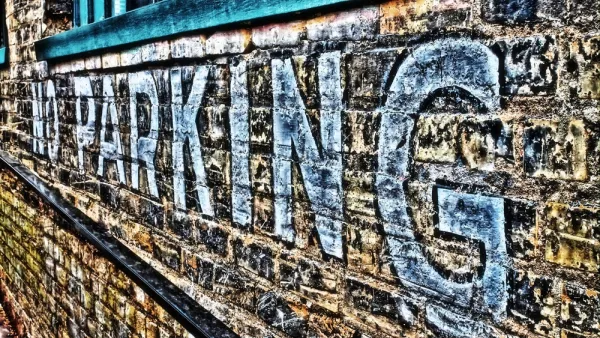
Parking Reform Moving Forward in Minneapolis
The vision proposed by the groundbreaking Minneapolis 2040 Comprehensive Plan is taking shape as zoning amendments move toward adoption.

Missing Middle Density Will Take More Than Zoning Changes
Looking for change in the housing supply? "Don't stop at the zoning code and think you're done. There's so much work left to do."

Planetizen Federal Action Tracker
A weekly monitor of how Trump’s orders and actions are impacting planners and planning in America.

The state-sanctioned urbicide of Austin
People don’t kill cities. Freeways do.

US to reduce Colorado River water deliveries to Mexico
A new Colorado Treaty amendment reduces Mexico’s Colorado River water allocation by 250,000 acre feet.

Mamdani overhauls NYC's Vision Zero plan with 100 new policy goals
The overhaul aims to reduce traffic deaths and make streets safer for pedestrians, cyclists and drivers through lower speed limits, new safety infrastructure and more.

Amtrak not solely to blame for New Jersey commuter rail's unreliability, report finds
A new study from the Garden State Initiative found that NJ Transit’s budget grew 20% across a 4 year period, but reliability declined significantly over the same period.

EPA erases limits on planet-warming pollution from power plants
Under Monday’s plan, power plants would still have some limits on how much mercury, arsenic and other contaminants they can emit.

FREE Course: Walkable City 1: Why Walkability?
After describing his path towards focusing on walkability as the essence of good planning, Jeff Speck marches through his five principal reasons for making more walkable places.
Reinventing Malls: Planning Alchemy—Turning Gray Fields Into Gold
The course focuses on the opportunities and imperatives that shape reinvention of mall sites.

Eagle County Government
Harvard University Graduate School of Design
Nashville Planning Department
The Architects Foundation
University of Cincinnati Online
The Pocatello Development Authority
The Urban Renewal Agency of the City of Pocatello
Journal of the American Planning Association