Transit planners in the region around Toronto are planning a "parking modernization" program that will charge for parking at GO stations and hope to provide new ways to access the system—without a car.


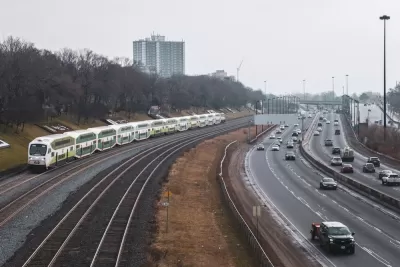
"Metrolinx is pursuing a massive shift to paid parking at its GO commuter rail stations, internal documents show, with plans for the 'forced conversion' of tens of thousands of free spots over the next few years," reports Oliver Moore.
According to the internal documents, the change could take place as soon as the next few months. Roughly 65,00o users of the GO regional transit system drive to stations. "The vast majority of these passengers now park free and Metrolinx, the regional transit agency that operates GO in Southern Ontario, is bracing for pushback," according to Moore.
Moore provides a lot more detail about the thought process of the system's planners preparing for the move—like providing new forms of access to stations and dealing with fallout from residents living near stations (who will likely object to people parking on adjacent streets to avoid paying for parking). One of the goals of the parking modernization plan, according to Moore, is to free up parking spaces so more midday riders can use the system.
FULL STORY: Metrolinx plans to convert tens of thousands of GO station parking spots from free to paid

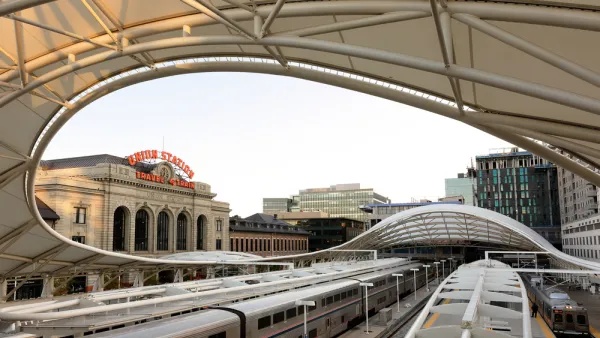
B Line Commuter Rail Extension Gets a Green Light in Colorado
The Board of Directors for the Regional Transportation District has given a preliminary green light to accelerate planning work on the B Line extension from Denver to Boulder and Longmont.
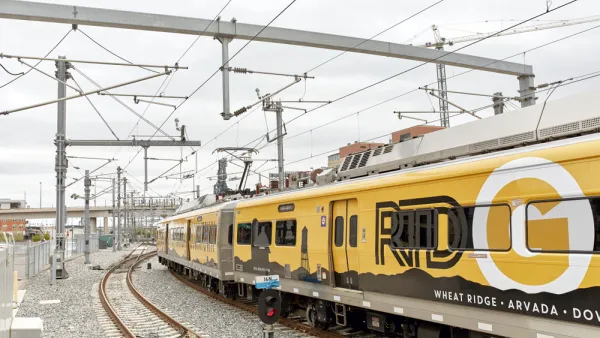
Political Pressure Reinvigorates B Line Extension Plans in Colorado
The CEO of the Regional Transportation District speculated recently about whether a planned extension of the B Line to Boulder was necessary or desirable. The governor doesn't think the speculation was necessary or desirable.
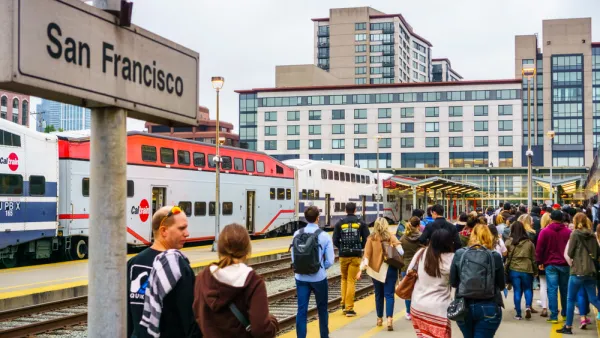
Compromise Reached to Save Caltrain
The saga of the three-county sales tax upon which the future of Caltrain depends is now in the hands of voters.

Planetizen Federal Action Tracker
A weekly monitor of how Trump’s orders and actions are impacting planners and planning in America.

The state-sanctioned urbicide of Austin
People don’t kill cities. Freeways do.

US to reduce Colorado River water deliveries to Mexico
A new Colorado Treaty amendment reduces Mexico’s Colorado River water allocation by 250,000 acre feet.

5 New England states march closer to 800 megawatt wind energy project
Securing federal approval for the project may be complicated under the Trump administration, which has historically been hostile towards domestic wind power.

Baltimore to break ground on $50 million Transit Priority Project
The project will bring faster bus trips, safer streets and better bike connections to Baltimore.

Airbnb launches $250 million 'last-dollar financing' housing accelerator, makes first investment in Austin
The company will put $6.4 million towards affordable housing development in Texas’ capital.

FREE Course: Walkable City 1: Why Walkability?
After describing his path towards focusing on walkability as the essence of good planning, Jeff Speck marches through his five principal reasons for making more walkable places.
Reinventing Malls: Planning Alchemy—Turning Gray Fields Into Gold
The course focuses on the opportunities and imperatives that shape reinvention of mall sites.

Eagle County Government
Harvard University Graduate School of Design
Nashville Planning Department
The Architects Foundation
University of Cincinnati Online
The Pocatello Development Authority
The Urban Renewal Agency of the City of Pocatello
Journal of the American Planning Association