Transit advocates don't see much to like in the state of Connecticut's big transportation spending plan—just more of the same.


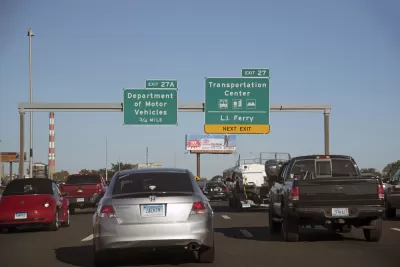
Aaron Short's assessment of the state of Connecticut's new transportation spending plan is less than favorable:
Connecticut Gov. Ned Lamont’s new transportation plan plows twice as much money into highways as it does transit, potentially keeping the economically sluggish state stuck in doldrums for another decade.
Short's opinion on the subject stands in slight contrast to an opinion offered earlier this month by Melissa Kaplan-Macey, vice president of state programs and Connecticut director at the Regional Plan Association, who called the plan a step in the right direction while also calling for more investments in public transit. Short only lists deficiencies, however, without any praise for incrementalism.
Another criticism, among many others by Short, focuses on the plan's funding for new projects, and dearth of funding for the maintenance of existing roads and highways.
FULL STORY: Connecticut’s Transportation Plan Stymies Its Future

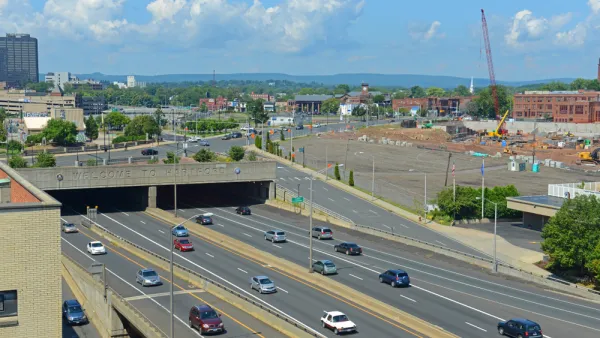
Opinion: Proposed $21 Billion Transportation Spending Plan a Step in the Right Direction
A representative of the Regional Plan Association calls for Connecticut's political leadership to go even further in changing the transportation and land use planning paradigm in the state.

‘Tempe Tomorrow’ Plans for Expected Population Growth
Tempe planners are preparing a General Plan update scheduled for voter approval in March 2024.

Sioux Falls Multi-Family Development Outpaces Transportation Improvements
Sioux Falls, South Dakota is undergoing a multi-family development boom. Residents are increasingly concerned about the traffic the development brings, according to local news reports.

The state-sanctioned urbicide of Austin
People don’t kill cities. Freeways do.

US to reduce Colorado River water deliveries to Mexico
A new Colorado Treaty amendment reduces Mexico’s Colorado River water allocation by 250,000 acre feet.

New Jersey’s second-largest city bans standalone data centers
Jersey City will continue to allow co-location facilities, such as those meant for research institutions that store their own data.

Amtrak not solely to blame for New Jersey commuter rail's unreliability, report finds
A new study from the Garden State Initiative found that NJ Transit’s budget grew 20% across a 4 year period, but reliability declined significantly over the same period.

EPA erases limits on planet-warming pollution from power plants
Under Monday’s plan, power plants would still have some limits on how much mercury, arsenic and other contaminants they can emit.

Phoenix announces new on-demand transit service, more frequent RAPID buses
Both new services will launch in October, and are part of Phoenix's Project Effective Access Solutions for Easing Congestion.

FREE Course: Walkable City 1: Why Walkability?
After describing his path towards focusing on walkability as the essence of good planning, Jeff Speck marches through his five principal reasons for making more walkable places.
Reinventing Malls: Planning Alchemy—Turning Gray Fields Into Gold
The course focuses on the opportunities and imperatives that shape reinvention of mall sites.

Eagle County Government
Harvard University Graduate School of Design
Nashville Planning Department
The Architects Foundation
University of Cincinnati Online
The Pocatello Development Authority
The Urban Renewal Agency of the City of Pocatello
Journal of the American Planning Association