Bastrop, a fast-growing city located north of Austin, is plotting growth on a street grid.


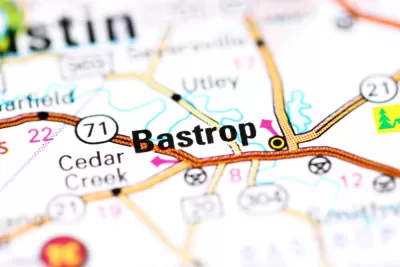
"Bastrop, Texas, adopted new, groundbreaking land-use regulations this week that address flooding and establish a street grid as a framework for growth—one of the first cities in the US to do so since the middle of the 20th Century," reports Robert Steuteville.
"The Bastrop Building Block (B3) code is the result of the Building Bastrop initiative, launched in August 2018 with the goal of creating fiscally sustainable, geographically-sensitive development that is authentic to the city," explains Steuteville.
"The city is therefore determined to grow, like downtown, in the form of a grid—one that responds to geography and nature. The city adopted a Transportation Master Plan that establishes a street grid not only in undeveloped parts of the city, but also in an extraterritorial jurisdiction (ETJ), for which the city has transportation, environmental, and subdivision controls."
The article includes a lot more about the ethos enacted by the city's recent planning efforts, and the process implemented by the city and its consultants in reaching this culmination.
Read the full story: Texas city adopts street grid and code


Seattle Ponders a New Approach to Zoning for its Comprehensive Plan Update
The city of Seattle will have an updated comprehensive plan by the end of 2024, with zoning changes to follow by 2025.
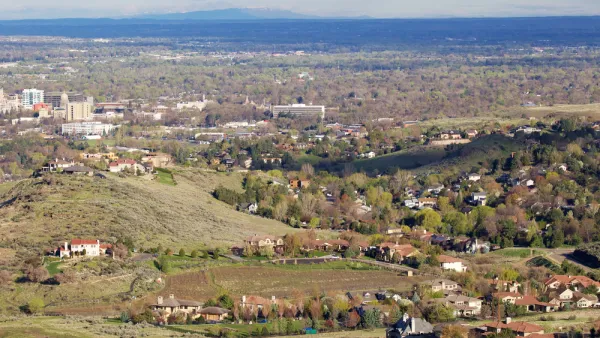
Different Approaches to Fast Growth in Idaho's Treasure Valley
Three cities on the periphery of the fast-growing Treasure Valley showcase different approaches to a sudden influx of newcomers.
Comprehensive Update to Washington State's Growth Management Act Expected in 2021
Effective planning processes offer immense financial savings, and there's never been a more pressing need for both. The state of Washington is setting out to prove the planning dividend.

Planetizen Federal Action Tracker
A weekly monitor of how Trump’s orders and actions are impacting planners and planning in America.

The state-sanctioned urbicide of Austin
People don’t kill cities. Freeways do.

US to reduce Colorado River water deliveries to Mexico
A new Colorado Treaty amendment reduces Mexico’s Colorado River water allocation by 250,000 acre feet.

Nation's most wind-powered state turns to coal as data centers increase energy demand
For the first time in decades, Iowa has increased its generation of coal power.

NYC cools commuters with city's first rain garden above a bus stop
New York City officials say the plants in the rain garden can absorb 16 gallons of rainwater during heavy storms.

Brightline West’s future may rely on $6 billion federal loan
The company has until Nov. 2 to make a $400 million equity investment into its proposed high-speed rail line.

FREE Course: Walkable City 1: Why Walkability?
After describing his path towards focusing on walkability as the essence of good planning, Jeff Speck marches through his five principal reasons for making more walkable places.
Reinventing Malls: Planning Alchemy—Turning Gray Fields Into Gold
The course focuses on the opportunities and imperatives that shape reinvention of mall sites.

Eagle County Government
Harvard University Graduate School of Design
Nashville Planning Department
The Architects Foundation
University of Cincinnati Online
The Pocatello Development Authority
The Urban Renewal Agency of the City of Pocatello
Journal of the American Planning Association