The residential development in Vancouver, located on Squamish Nation land, will be significantly larger than what was initially planned.


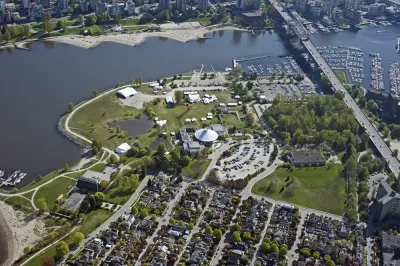
"A First Nations-led development proposal in the heart of Vancouver [in British Columbia] has doubled in size from its original plans to include 6,000 units of mostly rental apartments in 11 towers, a project expected to be worth billions of dollars," according to The Globe and Mail.
The development in the Kitsilano neighborhood of Vancouver will be located on land belonging to the Squamish Nation. The density and design of the buildings—straight towers without townhouses at the base and parking for only 10 percent of the apartments—will be new for the area.
The article notes that the city of Vancouver will have little say in the development plans, and members of the Squamish Nation will be voting on a referendum in December. "It would be one of the largest private First Nations investment projects in the country, expected by the Squamish to be in the billions of dollars, and turn the First Nation into a major developer in Vancouver’s lucrative housing market."
FULL STORY: Squamish Nation’s planned development on reserve land in Vancouver doubles in size, includes 11 towers

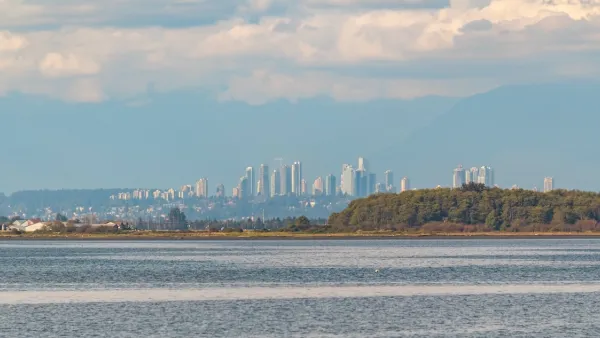
Court Favors First Nations in Landmark Metro Vancouver Land Claim
The longest trial in Canadian history ended with the BC Supreme Court awarding rights to a 750-hectare parcel in Richmond to First Nations groups.
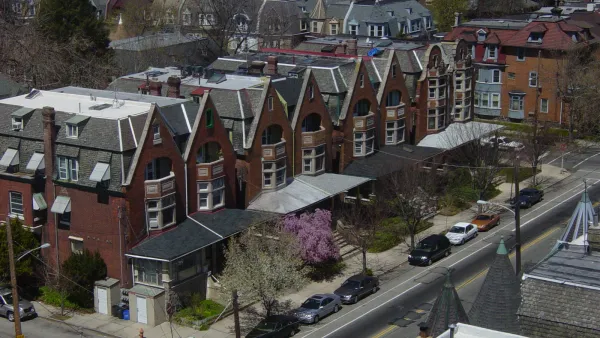
Philadelphia on Track to Build Record Number of Apartments in 2022
A researcher from the Lindy Institute for Urban Innovation at Drexel University tells a tale of two housing markets—rental and for-sale—in the City of Brotherly Love.
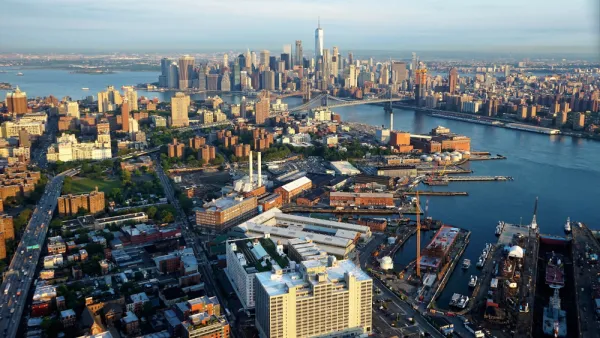
Study: Market-Rate Development Filters Into Naturally Occurring Affordable Housing
New research sheds new light on one of the most hotly debated questions in planning and development.

The state-sanctioned urbicide of Austin
People don’t kill cities. Freeways do.

US to reduce Colorado River water deliveries to Mexico
A new Colorado Treaty amendment reduces Mexico’s Colorado River water allocation by 250,000 acre feet.

New Jersey’s second-largest city bans standalone data centers
Jersey City will continue to allow co-location facilities, such as those meant for research institutions that store their own data.

Amtrak not solely to blame for New Jersey commuter rail's unreliability, report finds
A new study from the Garden State Initiative found that NJ Transit’s budget grew 20% across a 4 year period, but reliability declined significantly over the same period.

EPA erases limits on planet-warming pollution from power plants
Under Monday’s plan, power plants would still have some limits on how much mercury, arsenic and other contaminants they can emit.

Phoenix announces new on-demand transit service, more frequent RAPID buses
Both new services will launch in October, and are part of Phoenix's Project Effective Access Solutions for Easing Congestion.

FREE Course: Walkable City 1: Why Walkability?
After describing his path towards focusing on walkability as the essence of good planning, Jeff Speck marches through his five principal reasons for making more walkable places.
Reinventing Malls: Planning Alchemy—Turning Gray Fields Into Gold
The course focuses on the opportunities and imperatives that shape reinvention of mall sites.

Eagle County Government
Harvard University Graduate School of Design
Nashville Planning Department
The Architects Foundation
University of Cincinnati Online
The Pocatello Development Authority
The Urban Renewal Agency of the City of Pocatello
Journal of the American Planning Association