Facebook joins as Google in the $1 billion club, though this club plans to spend that money on housing programs to help alleviate the exploding cost of housing in the state of California.



"Facebook on Tuesday committed $1 billion to tackle affordable housing shortages in the Bay Area and around the country," reports Marisa Kendall.
The move cams as a surprise, according to Kendall, but it places the company in very small company among other tech giants paying exorbitant sums of money to help alleviate the state's housing affordability crisis—a crisis that some in the state have blamed on tech companies like Facebook. Google made a similar pledge to spend $1 billion on housing in June 2019. Previously, Facebook had pledged $20 million to help launch a fund that supports housing and jobs in Menlo Park and East Palo Alto.
"Over the next 10 years, that money will help create up to 20,000 homes where teachers, nurses and other essential workers can live closer to the communities they serve, according to an announcement on Facebook’s website. Facebook also unveiled a new partnership with Gov. Gavin Newsom’s administration to build mixed-income homes on excess state-owned land," writes Kendall.
FULL STORY: Facebook pledges $1 billion to fight housing crisis in California and beyond

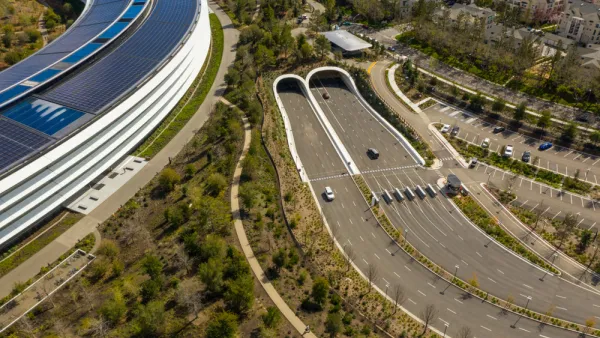
Apple Pledges $2.5 Billion for Housing Affordability
It's been a big year for tech giants pledging money to mitigate the affordability crisis in the regions and cities they call home. Apple joins a club that includes Google, Facebook, and Microsoft.
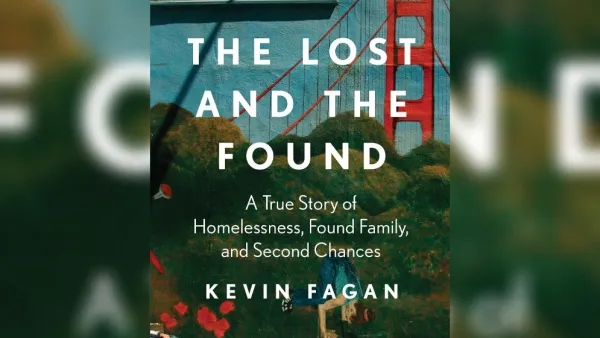
The "vicious cycle of real estate mania" — and how we might find our way home
Book review: In "The Lost and the Found: A True Story of Homelessness, Found Family, and Second Chances," Kevin Fagan humanizes the housing crisis like never before.
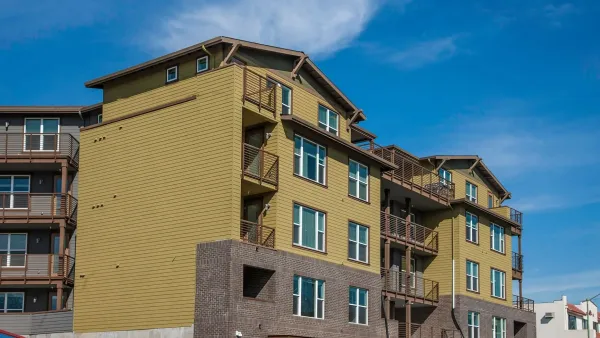
Oakland opens first affordable housing for teachers
The school district says 70% of its teachers can't afford to live in Oakland.

Planetizen Federal Action Tracker
A weekly monitor of how Trump’s orders and actions are impacting planners and planning in America.

The state-sanctioned urbicide of Austin
People don’t kill cities. Freeways do.

US to reduce Colorado River water deliveries to Mexico
A new Colorado Treaty amendment reduces Mexico’s Colorado River water allocation by 250,000 acre feet.

5 New England states march closer to 800 megawatt wind energy project
Securing federal approval for the project may be complicated under the Trump administration, which has historically been hostile towards domestic wind power.

Baltimore to break ground on $50 million Transit Priority Project
The project will bring faster bus trips, safer streets and better bike connections to Baltimore.

Airbnb launches $250 million 'last-dollar financing' housing accelerator, makes first investment in Austin
The company will put $6.4 million towards affordable housing development in Texas’ capital.

FREE Course: Walkable City 1: Why Walkability?
After describing his path towards focusing on walkability as the essence of good planning, Jeff Speck marches through his five principal reasons for making more walkable places.
Reinventing Malls: Planning Alchemy—Turning Gray Fields Into Gold
The course focuses on the opportunities and imperatives that shape reinvention of mall sites.

Eagle County Government
Harvard University Graduate School of Design
Nashville Planning Department
The Architects Foundation
University of Cincinnati Online
The Pocatello Development Authority
The Urban Renewal Agency of the City of Pocatello
Journal of the American Planning Association