Downtown Brooklyn is New York City's third-largest central business district, and a 2004 rezoning was meant to increase the commercial footprint in the area. Instead there's been more residential development than planners anticipated.


Tom Acitelli reports on a wave of new development in Downtown Brooklyn in New York City, especially along the Schermerhorn Street corridor.
According to Acitelli, the wave of new development in recent years was made possible by a 2004 rezoning, "…originally meant to facilitate more commercial development, particularly office and cultural projects."
"But a 2016 report from Brooklyn Borough President Eric Adams' office concluded that more than 11,000 housing units had gone up in the area in the first dozen years since the rezoning, while the city had anticipated only 979. Meanwhile, the 1.3 million square feet of commercial property developed fell far short of the anticipated 4.6 million," reports Acitelli. The reason for the unexpected shift is location. The neighborhood is "minutes from Manhattan by numerous subway lines. Plus it borders areas of quainter brownstone Brooklyn that residents might be more interested in but can't afford."
More details about recent and forthcoming developments are included in the source article.
FULL STORY: Downtown Brooklyn emerges as surprising residential hub

Opinion: It's Time to Rezone Gowanus
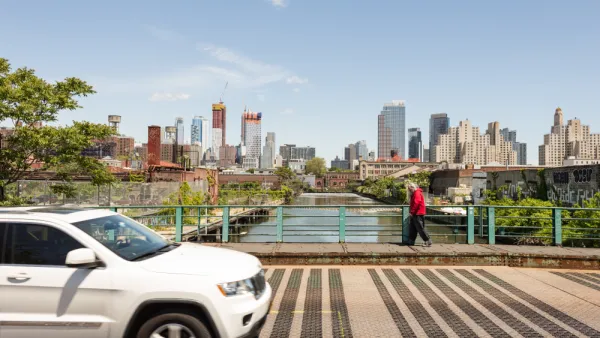
As the New York City Council considers a controversial plan for the Gowanus neighborhood in Brooklyn, Moses Gates calls on the city to pass "one of the best and most inclusive community planning processes in recent times."
Planning via Zoom: Legal Scrutiny for Pandemic Realities in New York City
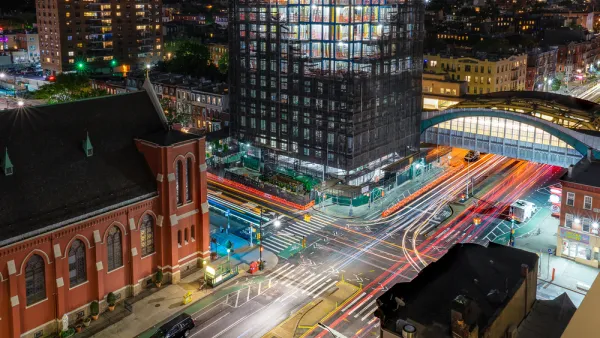
The question of whether a public review process conducted by Zoom is sufficient to approve a sweeping rezoning plan is a matter of no small legal concern in New York City.
Lawsuit Challenges Zoom Hearings on Gowanus Rezoning Plan
Planning departments relying on online public hearing processes will want to keep monitor this lawsuit in New York City.

Planetizen Federal Action Tracker
A weekly monitor of how Trump’s orders and actions are impacting planners and planning in America.

The state-sanctioned urbicide of Austin
People don’t kill cities. Freeways do.

US to reduce Colorado River water deliveries to Mexico
A new Colorado Treaty amendment reduces Mexico’s Colorado River water allocation by 250,000 acre feet.

5 New England states march closer to 800 megawatt wind energy project
Securing federal approval for the project may be complicated under the Trump administration, which has historically been hostile towards domestic wind power.

Baltimore to break ground on $50 million Transit Priority Project
The project will bring faster bus trips, safer streets and better bike connections to Baltimore.

Airbnb launches $250 million 'last-dollar financing' housing accelerator, makes first investment in Austin
The company will put $6.4 million towards affordable housing development in Texas’ capital.

FREE Course: Walkable City 1: Why Walkability?
After describing his path towards focusing on walkability as the essence of good planning, Jeff Speck marches through his five principal reasons for making more walkable places.
Reinventing Malls: Planning Alchemy—Turning Gray Fields Into Gold
The course focuses on the opportunities and imperatives that shape reinvention of mall sites.

Eagle County Government
Harvard University Graduate School of Design
Nashville Planning Department
The Architects Foundation
University of Cincinnati Online
The Pocatello Development Authority
The Urban Renewal Agency of the City of Pocatello
Journal of the American Planning Association