Permits for new housing continue to lag despite a long economic boom. For coastal metros, it's a familiar story of job growth outpacing new construction. In some Sun Belt cities, sprawl is the bigger concern.


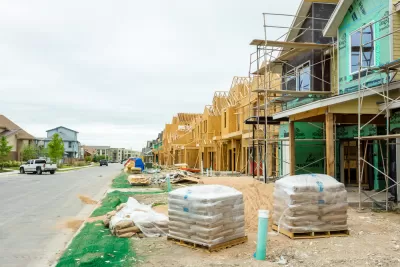
A recent study of national housing construction trends "found that 38 percent fewer housing units were permitted nationwide in 2018 than in 2005, the year permits peaked before the recession," Sarah Holder writes. During the period from 2008 through 2018, pretty much every major U.S. metro area permitted less new housing per 1,000 residents than from 1990 through 2007.
A substantial rise in multi-family home construction occurred over the past decade, especially on the coasts. But that hasn't extended to the kind of missing-middle housing many advocates say is necessary to weather the housing crisis. "In 1990, almost 5 percent of all residential permits were for duplexes, triplexes, and fourplexes, Apartment List found. By 2018, that share had dropped to 3 percent, while the average building size has doubled to 28.7 units."
Meanwhile, some Sun Belt cities are facing the opposite problem: they're creating more housing than jobs, "a dynamic that might say more about the clustering of economic development in coastal cities than the commitment to construction." Single-family home construction is predominant in many of those places, a bad sign for those who object to sprawl.
FULL STORY: The Cities Where Job Growth Is Outpacing New Homes

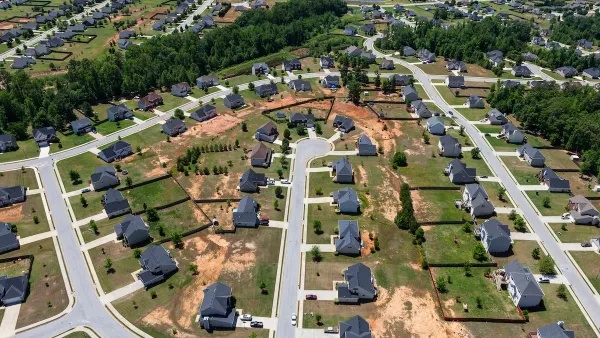
Commentary: Minimum Lot Sizes Drive Up Housing Costs
How making residential building requirements more flexible can ease the housing crisis and make neighborhoods more livable for more households.
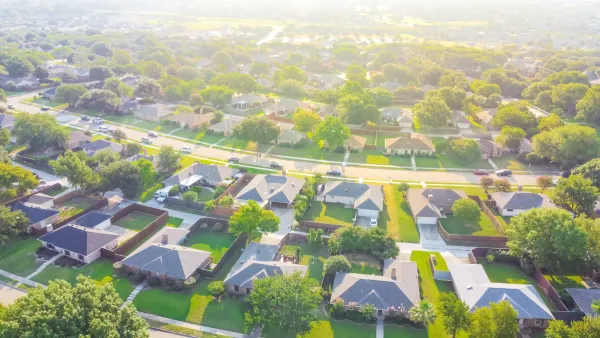
The Rise of Zoning Reform
As the housing affordability crisis spread from mainly coastal cities to the rest of the nation, cities and states are taking a serious look at outdated zoning codes that hamper efforts to build more housing.

Lack of Multi-Family Zones Contributes to Nashville’s High Housing Costs, Study Says
Nashville and surrounding communities allow for a relatively small amount of multi-family housing, according to a new zoning atlas of Middle Tennessee. A regionally focused nonprofit is using the atlas to push for zoning reforms.

Planetizen Federal Action Tracker
A weekly monitor of how Trump’s orders and actions are impacting planners and planning in America.

The state-sanctioned urbicide of Austin
People don’t kill cities. Freeways do.

US to reduce Colorado River water deliveries to Mexico
A new Colorado Treaty amendment reduces Mexico’s Colorado River water allocation by 250,000 acre feet.

5 New England states march closer to 800 megawatt wind energy project
Securing federal approval for the project may be complicated under the Trump administration, which has historically been hostile towards domestic wind power.

Baltimore to break ground on $50 million Transit Priority Project
The project will bring faster bus trips, safer streets and better bike connections to Baltimore.

Airbnb launches $250 million 'last-dollar financing' housing accelerator, makes first investment in Austin
The company will put $6.4 million towards affordable housing development in Texas’ capital.

FREE Course: Walkable City 1: Why Walkability?
After describing his path towards focusing on walkability as the essence of good planning, Jeff Speck marches through his five principal reasons for making more walkable places.
Reinventing Malls: Planning Alchemy—Turning Gray Fields Into Gold
The course focuses on the opportunities and imperatives that shape reinvention of mall sites.

Eagle County Government
Harvard University Graduate School of Design
Nashville Planning Department
The Architects Foundation
University of Cincinnati Online
The Pocatello Development Authority
The Urban Renewal Agency of the City of Pocatello
Journal of the American Planning Association