Too many innovative proposals to solve the city’s biggest transportation problems fall by the wayside.


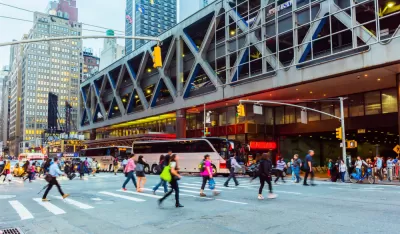
"All cities apportion the elements of urban life among different branches of government, but New York’s agencies, authorities, departments, and public corporations have evolved into billion-dollar fiefdoms, with their own cultures, goals, and instincts for self-preservation," writes Justin Davidson.
The result, he says, is that good ideas are never realized. He examines more closely proposals for a Port Authority terminal upgrade, the BQX streetcar line, and the 14th Street busway. For various reasons, these proposals all faced some type of bureaucratic morass that brought them to a screeching halt.
"Rather than be seduced by sugarplum fancies of levitating pods and robot taxis, we should devote the streets, bridges, and tunnels we have for vehicles that New Yorkers of a century ago would recognize as highly efficient: buses, streetcars, and bicycles. But instead of heeding the urgent call of the past, we’re stuck in the short-term future, hashing out a great city’s transportation priorities for the next generation by dint of objections, inertia, and self-serving squabbles," argues Davidson.
Read the full story: Red Tape Is Keeping New York City’s Landscape Stuck in the Past

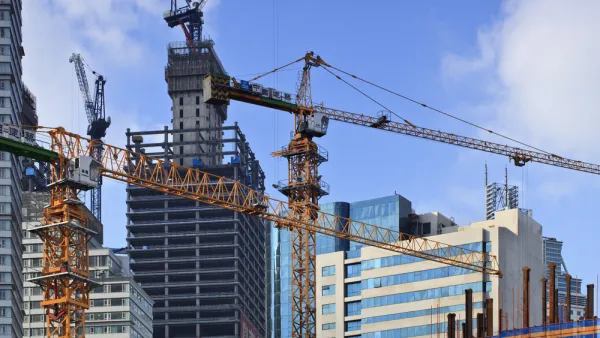
New York Mayor Announces ‘Get Stuff Built’ Housing Plan
Mayor Adams says the new plan will cut building processes by 50 percent to accelerate badly needed housing construction, but parts of the proposal still face hurdles to get approved.
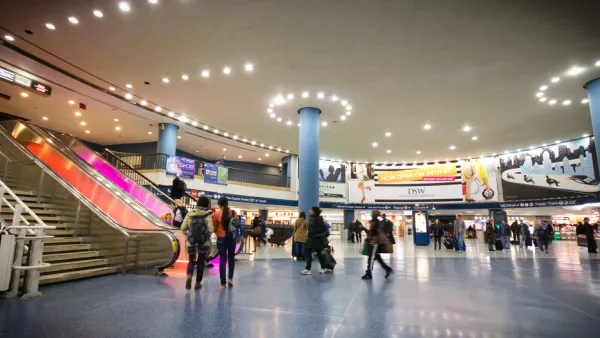
Post-Cuomo Penn Station Updates Could Move Project Forward
The controversial renovation of Penn Station could move forward with a scaled-back plan.
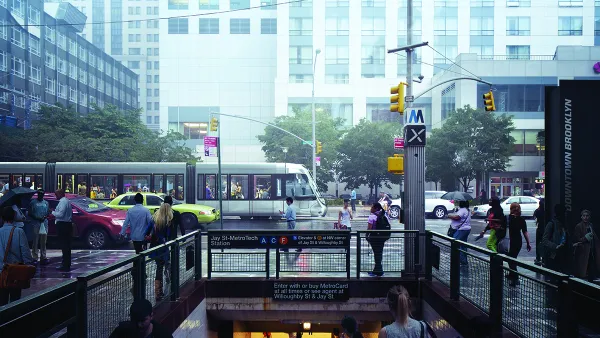
Brooklyn-Queens Streetcar Will Live or Die in the Next Administration
Construction on the Brooklyn-Queens Streetcar, a potential legacy project for New York Mayor Bill de Blasio, was supposed to begin in 2019. The fate of the heavily debated project will rest with the next mayor.

Planetizen Federal Action Tracker
A weekly monitor of how Trump’s orders and actions are impacting planners and planning in America.

The state-sanctioned urbicide of Austin
People don’t kill cities. Freeways do.

US to reduce Colorado River water deliveries to Mexico
A new Colorado Treaty amendment reduces Mexico’s Colorado River water allocation by 250,000 acre feet.

Nation's most wind-powered state turns to coal as data centers increase energy demand
For the first time in decades, Iowa has increased its generation of coal power.

NYC cools commuters with city's first rain garden above a bus stop
New York City officials say the plants in the rain garden can absorb 16 gallons of rainwater during heavy storms.

Brightline West’s future may rely on $6 billion federal loan
The company has until Nov. 2 to make a $400 million equity investment into its proposed high-speed rail line.

FREE Course: Walkable City 1: Why Walkability?
After describing his path towards focusing on walkability as the essence of good planning, Jeff Speck marches through his five principal reasons for making more walkable places.
Reinventing Malls: Planning Alchemy—Turning Gray Fields Into Gold
The course focuses on the opportunities and imperatives that shape reinvention of mall sites.

Greater Baltimore Committee
Eagle County Government
Harvard University Graduate School of Design
The Architects Foundation
University of Cincinnati Online
The Pocatello Development Authority
The Urban Renewal Agency of the City of Pocatello
Journal of the American Planning Association