These researchers call for dangerous, large-sized SUVs to be removed from the road.


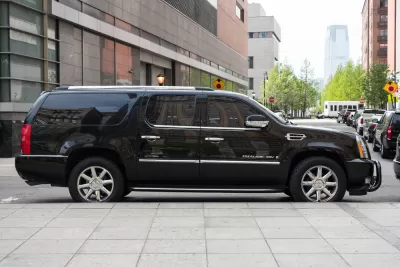
New British crash data follows the lead of data released earlier this year in the United States of the increased risk to pedestrian safety by the large SUVs currently popular with automakers and American consumers.
"A new data crunch from British transport data experts shows there may be a similar lethality problem with SUVs in the U.K.," reports Carlton Reid.
Adam Reynolds, a transport policy advisor, worked with Robin Lovelace, a "Big Data" fellow at the Institute for Transport Studies at Leeds University in northern England, to produce the findings. One of the significant contributions of the research is a call for the U.K. Department for Transport (DfT) to publish the analysis and potentially remove dangerous cars from the road.
Another recommendation has to do with how British police measure crashes. "Reynolds suggests that the DfT and the police should measure pedestrian fatalities by vehicle body shape as well as engine size," according to Reid's explanation. "Not currently doing this is 'masking a deadly problem created by the car industry marketing and producing taller, heavier vehicles,' argues Reynolds."
Read the full story: Restrict Twice-As-Deadly SUVs In U.K. Cities, Urge Transport Data Scientists

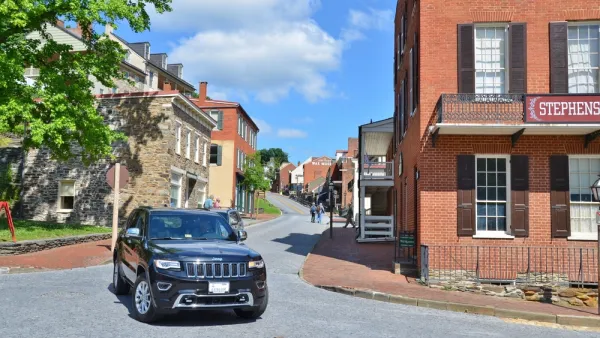
For Transportation Justice, Auto Safety Must Protect People Outside the Car
Light trucks are killing more pedestrians than ever while keeping their drivers and passengers safer. Is it time to reframe safety regulations?
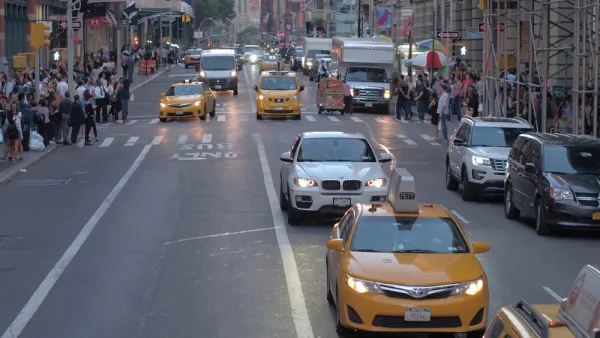
Despite Reports, Federal Safety Officials Didn't Act on Danger of SUVs to Pedestrians
A 2015 NHTSA report showed that pedestrians were multiple times more likely to die if struck by SUVs, but that information was neither shared nor acted upon.

Halloween a Deadly Reminder of the Failures of U.S. Traffic Safety
When it comes to pedestrian safety, Halloween has never been so frightening.

Planetizen Federal Action Tracker
A weekly monitor of how Trump’s orders and actions are impacting planners and planning in America.

California plans to bury El Niño’s downpour
If the state plays its cards right, it may be able to store a billion acre-feet of El Niño’s water in aquifers.

Desperate measures: Advocates weigh draining Lake Powell to fill Colorado River
Draining the reservoir could reduce evaporation losses by a couple hundred thousand acre-feet.

California city breaks ground on transit connector
The project includes three mobility hubs and a pedestrian bridge.

After public outcry, Massachusetts city releases housing development tracker
Cambridge’s tracker currently shows 250 housing projects in various stages of development.

40 years after approval, Chicago breaks ground on new park
The park honors Jean Baptiste Point du Sable, the city’s first permanent non-native settler.

FREE Course: Walkable City 1: Why Walkability?
After describing his path towards focusing on walkability as the essence of good planning, Jeff Speck marches through his five principal reasons for making more walkable places.
Reinventing Malls: Planning Alchemy—Turning Gray Fields Into Gold
The course focuses on the opportunities and imperatives that shape reinvention of mall sites.

City of Rosemead
Rutgers University, Edward J. Bloustein School of Planning and Public Policy
One Hundred Miles
Hunter College, City University of New York (CUNY)
The Architects Foundation
University of Cincinnati Online
City of Cambridge
Montrose County
The Pocatello Development Authority