A regional transportation tax could be on the 2020 ballot in Portland and surrounding communities in Oregon. How much of that money created by the new tax, should it pass, will go to transit and how much will go to cars is an open question.


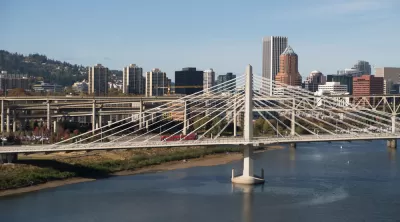
"The multi-billion-dollar regional transportation measure expected to be on the 2020 ballot [in the Portland area] may dedicate 50 percent of funds toward highway and road infrastructure," reports Elise Herron.
The details of the funding structure of the bill are still a work in progress. Herron says some in "car-skeptical" Portland thinks the share of funding devoted to automobile infrastructure is too high.
Lynn Peterson, president of the regional government Metro, says polling is clear on the preference for a 50-50 split.
Rachel Mohahan reported in February on the initial efforts to place a transportation funding measure on the ballot, going into additional detail about the region's transportation funding needs.

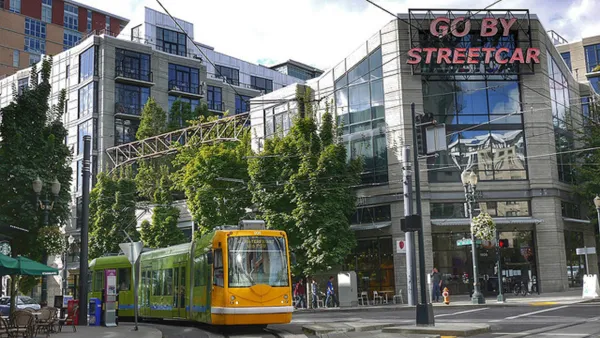
New Details for Portland's Transit Plan as Voters Head to the Polls
Voters in Portland-area voters will decide on a transportation funding measure for the "Get Moving 2020" plan, with details of four bus rapid transit project targeted for funding announced within weeks of the election.
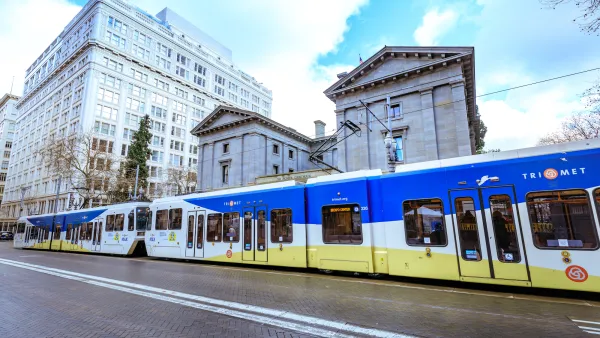
Big Business in Portland Doesn't Want to Pay for Metro Transportation Funding Measure
A heated dispute over a $5 billion Metro transportation funding ballot measure has erupted between climate activists and a group representing Portland's big business interests.
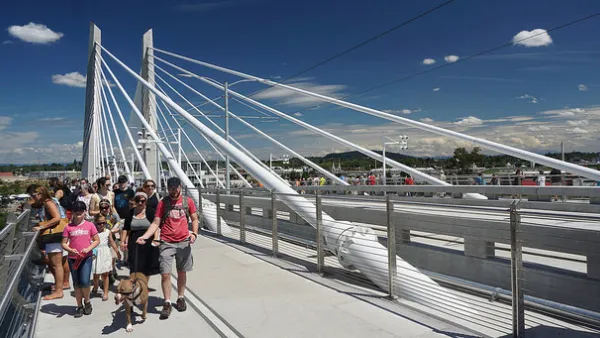
Final Public Comment for Portland Area's $42 Billion Regional Transportation Plan
Oregon Metro's Regional Transportation Plan sets policy and project goals through 2040.

Planetizen Federal Action Tracker
A weekly monitor of how Trump’s orders and actions are impacting planners and planning in America.

The state-sanctioned urbicide of Austin
People don’t kill cities. Freeways do.

US to reduce Colorado River water deliveries to Mexico
A new Colorado Treaty amendment reduces Mexico’s Colorado River water allocation by 250,000 acre feet.

Mamdani overhauls NYC's Vision Zero plan with 100 new policy goals
The overhaul aims to reduce traffic deaths and make streets safer for pedestrians, cyclists and drivers through lower speed limits, new safety infrastructure and more.

Amtrak not solely to blame for New Jersey commuter rail's unreliability, report finds
A new study from the Garden State Initiative found that NJ Transit’s budget grew 20% across a 4 year period, but reliability declined significantly over the same period.

EPA erases limits on planet-warming pollution from power plants
Under Monday’s plan, power plants would still have some limits on how much mercury, arsenic and other contaminants they can emit.

FREE Course: Walkable City 1: Why Walkability?
After describing his path towards focusing on walkability as the essence of good planning, Jeff Speck marches through his five principal reasons for making more walkable places.
Reinventing Malls: Planning Alchemy—Turning Gray Fields Into Gold
The course focuses on the opportunities and imperatives that shape reinvention of mall sites.

Eagle County Government
Harvard University Graduate School of Design
Nashville Planning Department
The Architects Foundation
University of Cincinnati Online
The Pocatello Development Authority
The Urban Renewal Agency of the City of Pocatello
Journal of the American Planning Association