Inglewood had fallen on hard times, but then plans for a massive sports and entertainment complex came along. While the city’s future is poised to change dramatically, the development is also displacing residents.



Angel Jennings writes about Inglewood, California, the location of a new NFL stadium and entertainment district. The city in southwest Los Angeles County has a long history as a black middle-class enclave, but social and economic changes starting in the 1970s resulted in a city in severe decline struggling with major fiscal challenges.
The situation in Inglewood has changed significantly in recent years with the arrival of the new stadium and related development, plans for a basketball arena that are taking shape, and spillover from the region’s technology sector. "But now that Inglewood is on the come up, longtime residents and city officials face a different challenge: Many who have weathered decades of hardship no longer can afford to live there and are being left out of the economic renaissance," says Jennings.
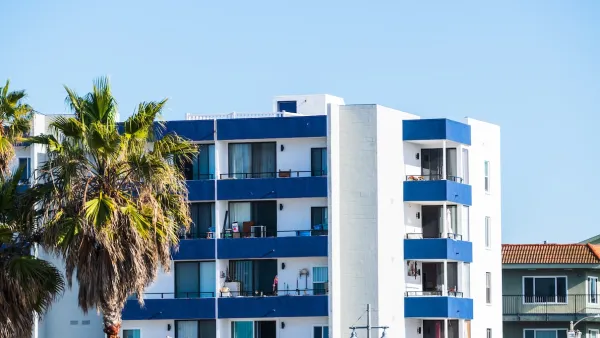
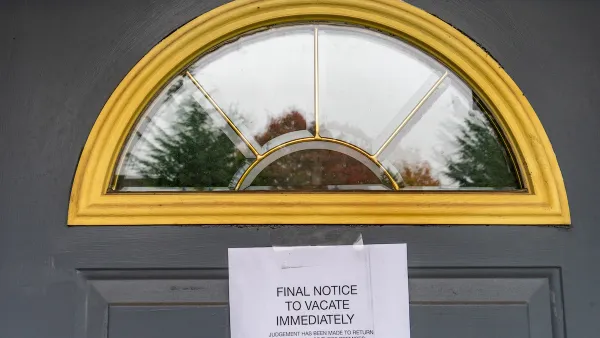
Housing prices are soaring in a city where three-quarters of residents are renters and the majority of the population is black and Latino. The result has been a flood of major rent increases and evictions that are displacing longtime residents. Uplift Inglewood, a tenants’ rights group, is suing to halt the arena project, and the city council last month approved a 45-day moratorium to cap rent increases and stop evictions.
But activists say the city is not doing enough to help Inglewood’s most vulnerable residents as the city’s economic tides change. "The temporary cap was a win for Uplift Inglewood, which continues to apply pressure to City Hall. It also is taking the fight to Sacramento, pushing for an anti-price-gouging bill," notes Jennings.
FULL STORY: One of California’s last black enclaves threatened by Inglewood’s stadium deal

LA County Leaders Seek to Increase Penalties for Rent Gouging
Landlords who raise rents sharply after disasters could face fines of up to $50,000.

Chicago Mayor ‘Willing to Consider’ Eviction Freeze as ICE Raids Mount
Tenant advocates say many workers are staying home due to fears of immigration raids, putting some households behind on rent.
Lack of Eviction Data Obscures Extent of Affordable Housing Crisis
Court records on eviction filings vary widely and don’t include the outcome and miss informal actions. Without this data, officials don't have a clear picture of displacement of low-income renters and its effect on housing stability.

Planetizen Federal Action Tracker
A weekly monitor of how Trump’s orders and actions are impacting planners and planning in America.

The state-sanctioned urbicide of Austin
People don’t kill cities. Freeways do.

US to reduce Colorado River water deliveries to Mexico
A new Colorado Treaty amendment reduces Mexico’s Colorado River water allocation by 250,000 acre feet.

5 New England states march closer to 800 megawatt wind energy project
Securing federal approval for the project may be complicated under the Trump administration, which has historically been hostile towards domestic wind power.

Baltimore to break ground on $50 million Transit Priority Project
The project will bring faster bus trips, safer streets and better bike connections to Baltimore.

Airbnb launches $250 million 'last-dollar financing' housing accelerator, makes first investment in Austin
The company will put $6.4 million towards affordable housing development in Texas’ capital.

FREE Course: Walkable City 1: Why Walkability?
After describing his path towards focusing on walkability as the essence of good planning, Jeff Speck marches through his five principal reasons for making more walkable places.
Reinventing Malls: Planning Alchemy—Turning Gray Fields Into Gold
The course focuses on the opportunities and imperatives that shape reinvention of mall sites.


Eagle County Government
Harvard University Graduate School of Design
Nashville Planning Department
The Architects Foundation
University of Cincinnati Online
The Pocatello Development Authority
The Urban Renewal Agency of the City of Pocatello
Journal of the American Planning Association