Under the Trump administration, criminal prosecution of polluters is an historically rare activity.


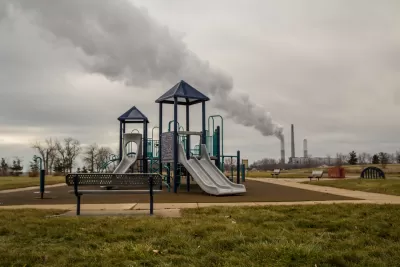
Ellen Knickmeyer reports on a new standard in enforcement set by the U.S. Environmental Protection Agency (EPA).
According to data from the U.S. Department of Justice, the EPA is now pursuing the fewest number of criminal prosecutions in 30 years. The EPA pursued only 166 cases, the lowest number since 1988. The number of criminal prosecutions referred by the EPA peaked in 1998, with 592, and have declined ever since.
The current trend was first noticed in February 2018, when an Environmental Integrity Project investigation found the number of civil penalties pursued by the EPA plummeting during the Trump Administration.
Read the full story: EPA criminal action against polluters hits 30-year low

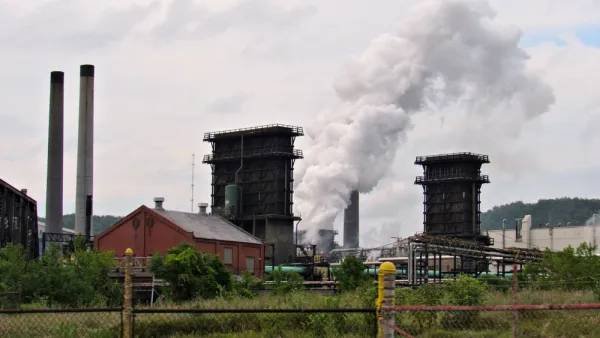
U.S. EPA To Reclassify Thousands of Major Polluters
The U.S. Environmental Protection Agency estimated its new rule change will result in up to 1,258 tons of additional emissions of hazardous materials every year.
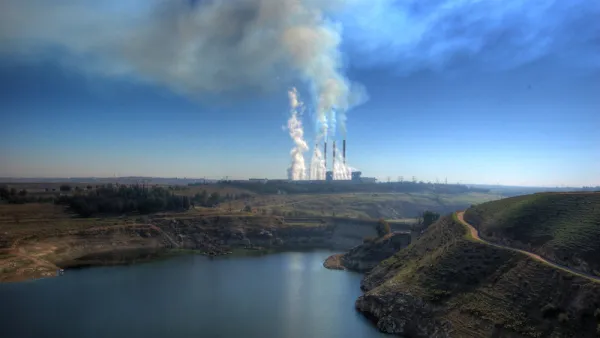
The Trump Administration's Environmental Policies Have Consequences for Black Lives
A Trump administration decision not to tighten Clean Air Act restrictions on soot pollution will have more consequences for Black Americans.

Comments Closed for Significant Changes to 'Waters of the United States' Rule
The Trump administration has spent the first two years of its time in office trying to overturn key provisions of the "Waters of the United States" rule.

Planetizen Federal Action Tracker
A weekly monitor of how Trump’s orders and actions are impacting planners and planning in America.

The state-sanctioned urbicide of Austin
People don’t kill cities. Freeways do.

Colorado’s Largest Data Center Could Rise Next to Homes — Without a Public Hearing
The proposed campus would consume 11 times the power of Denver International Airport; as it has across the country, opposition mounts.
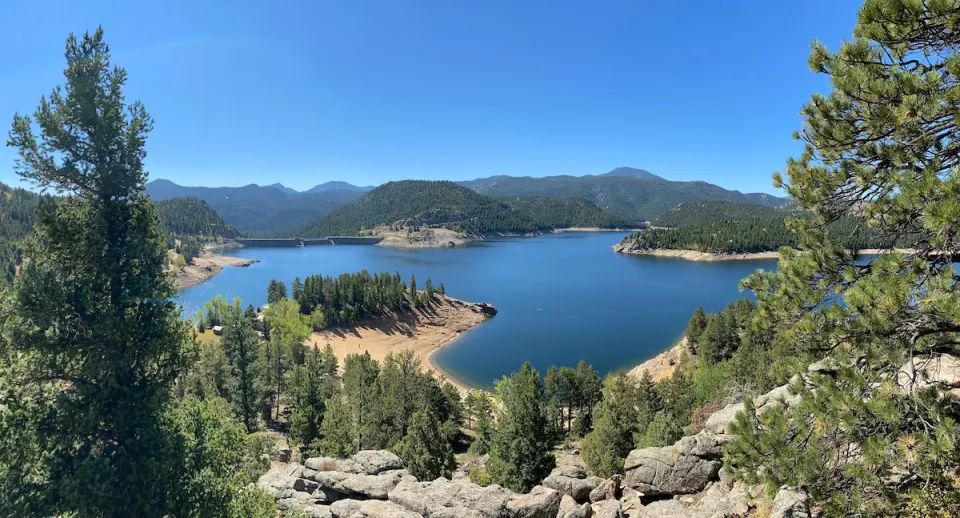
Judges permit Denver to divert 77,000 acre feet from the Colorado River for reservoir expansion
Overuse and climate change have caused the Colorado River’s water levels to plummet.

Amtrak, CN end decades-long dispute with eight-year agreement
The new operating agreement establishes an updated framework for the companies to work together, including processes to resolve disputes.
Raised interest rates may kill financially vulnerable construction projects
The chief economist at ConstructConnect warns that if construction project owners are negatively impacted by the raised rates, it could result in delayed payments to contractors.

FREE Course: Walkable City 1: Why Walkability?
After describing his path towards focusing on walkability as the essence of good planning, Jeff Speck marches through his five principal reasons for making more walkable places.
Reinventing Malls: Planning Alchemy—Turning Gray Fields Into Gold
The course focuses on the opportunities and imperatives that shape reinvention of mall sites.

KFH Group Inc.
Greater Baltimore Committee
Eagle County Government
The Architects Foundation
University of Cincinnati Online
The Pocatello Development Authority
The Urban Renewal Agency of the City of Pocatello