Philadelphia looked at how interventions can change recycling and littering behavior.


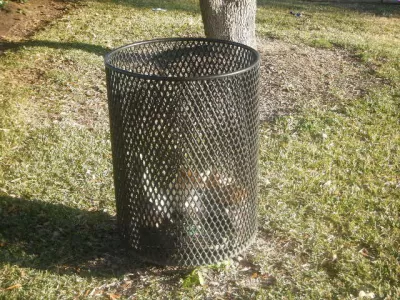
Nandi O'Connor of GovLabPHL discusses two experiments the city of Philadelphia conducted to better understand how behavioral science could be used to increase recycling and decrease littering.
The first experiment targeted recycling behavior. While the city makes containers available to residents at designated locations, it provided lidded recycling bins to residents on routes in two neighborhoods in this case. The effect was inconclusive in one neighborhood, but recycling volumes increased in the other.
The other intervention involved increasing or decreasing the number of trash receptacles in various parks and along corridors in the city. Overall, the findings showed that increasing the number of trash containers resulted in city staff spending 30 minutes less per day picking up litter.
"We learned that existing data collection procedures are not always created for the purposes of evaluation, and the results have inspired us to improve data collection procedures for future experiments," says O'Connor. She also notes that the results will inform policy decisions as the city works to reach its zero-waste goals.
FULL STORY: How we’re using behavioural science to decrease litter in Philadelphia


Community Composting Network Launching in Philadelphia
The city of Philadelphia is seeking 25 locations around the city for composting facilities that will help the city achieve its goals of zero waste and litter.
City Gives Incentives To Recycle
In Corpus Christi, Texas, officials have entered a public-private partnership to give people more reasons to recycle.
Toughest Recyclers In the West (Or Anywhere)?
The city of San Francisco approves a plan to require composting and recycling citywide by this fall, with fines kicking in within two years.

Planetizen Federal Action Tracker
A weekly monitor of how Trump’s orders and actions are impacting planners and planning in America.

The state-sanctioned urbicide of Austin
People don’t kill cities. Freeways do.

US to reduce Colorado River water deliveries to Mexico
A new Colorado Treaty amendment reduces Mexico’s Colorado River water allocation by 250,000 acre feet.

Mamdani overhauls NYC's Vision Zero plan with 100 new policy goals
The overhaul aims to reduce traffic deaths and make streets safer for pedestrians, cyclists and drivers through lower speed limits, new safety infrastructure and more.

Amtrak not solely to blame for New Jersey commuter rail's unreliability, report finds
A new study from the Garden State Initiative found that NJ Transit’s budget grew 20% across a 4 year period, but reliability declined significantly over the same period.

EPA erases limits on planet-warming pollution from power plants
Under Monday’s plan, power plants would still have some limits on how much mercury, arsenic and other contaminants they can emit.

FREE Course: Walkable City 1: Why Walkability?
After describing his path towards focusing on walkability as the essence of good planning, Jeff Speck marches through his five principal reasons for making more walkable places.
Reinventing Malls: Planning Alchemy—Turning Gray Fields Into Gold
The course focuses on the opportunities and imperatives that shape reinvention of mall sites.


Eagle County Government
Harvard University Graduate School of Design
Nashville Planning Department
The Architects Foundation
University of Cincinnati Online
The Pocatello Development Authority
The Urban Renewal Agency of the City of Pocatello
Journal of the American Planning Association