A $25 million operating deficit will inspire some soul searching, and structural changes.


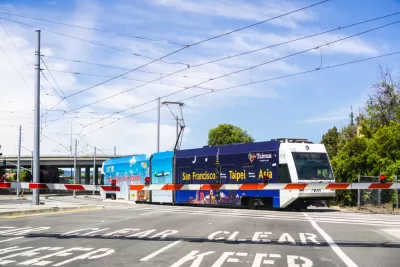
Gary Richards reports from the Silicon Valley, where the Santa Clara Valley Transportation Authority (VTA) is dealing with a $25 million annual operating deficit and considering drastic measures like cuts in bus service, buyouts of retirement age employees, and fare increases.
"Over the last six years, operating expenses have grown twice as fast as revenues. Sales taxes account for roughly 80 percent of VTA’s income, but the rate of growth has slowed while expenses continue to increase," according to Richards. The VTA has been dipping into capital reserves to cover operating costs, but that money is running out quickly.
Richards indicates that a VTA committee has already figured out how much they can save by various measures—$15 million a year on reduced bus service and $2 million in higher fares. The VTA has also commissioned a report by Jarrett Walker and Associates that recommends adjusting bus routes to a high frequency grid.
FULL STORY: VTA’s $25 million deficit could lead to service cuts, buyouts and higher fares


Transit Catastrophe After Toledo Funding Change Misses the Ballot
A ballot initiative intended to solve the Toledo Area Transportation Authority's budget deficit didn't appear before voters in November, and now less bus service will cost more to ride.
D.C. Metro Seeks Public Input on Proposed Service Cuts
D.C. Metro Seeks Public Input on Proposed Service Cuts
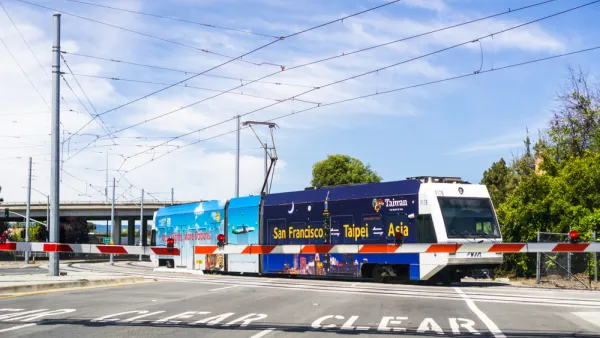
Speeding Up Trains and Improving Traffic Safety in San Jose
At-grade light rail has a hard time safely and efficiently traversing Downtown San Jose on Second Street. A new pilot project will look to improve the situation.

Planetizen Federal Action Tracker
A weekly monitor of how Trump’s orders and actions are impacting planners and planning in America.

The state-sanctioned urbicide of Austin
People don’t kill cities. Freeways do.

US to reduce Colorado River water deliveries to Mexico
A new Colorado Treaty amendment reduces Mexico’s Colorado River water allocation by 250,000 acre feet.

Mamdani overhauls NYC's Vision Zero plan with 100 new policy goals
The overhaul aims to reduce traffic deaths and make streets safer for pedestrians, cyclists and drivers through lower speed limits, new safety infrastructure and more.

Amtrak not solely to blame for New Jersey commuter rail's unreliability, report finds
A new study from the Garden State Initiative found that NJ Transit’s budget grew 20% across a 4 year period, but reliability declined significantly over the same period.

EPA erases limits on planet-warming pollution from power plants
Under Monday’s plan, power plants would still have some limits on how much mercury, arsenic and other contaminants they can emit.

FREE Course: Walkable City 1: Why Walkability?
After describing his path towards focusing on walkability as the essence of good planning, Jeff Speck marches through his five principal reasons for making more walkable places.
Reinventing Malls: Planning Alchemy—Turning Gray Fields Into Gold
The course focuses on the opportunities and imperatives that shape reinvention of mall sites.

Eagle County Government
Harvard University Graduate School of Design
Nashville Planning Department
The Architects Foundation
University of Cincinnati Online
The Pocatello Development Authority
The Urban Renewal Agency of the City of Pocatello
Journal of the American Planning Association