Nico Larco presents a TEDx Talk on the impacts AVs will have on cities, including impacts on land use, land valuation, and the environment. AVs are more than just a transportation issue, and planners need to prepare for the coming changes.


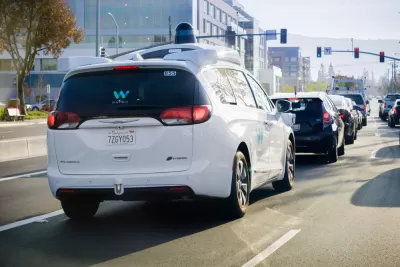
Autonomous vehicles (AVs) will have profound effects not only on how we live, move, and spend our time in cities, but also increasingly on urban form and development itself. This new technologies will change the ease of transportation, the role of transit, and the places we spend our time.
In this TEDx Talk—part of TEDxCollegePark—urban designer and professor Nico Larco, AIA, from the Urbanism Next Center at the University of Oregon discusses how AVs will have profound effects on cities including large shifts in land use, changes in land value, a reduction in the need for parking, a shift on where we choose to live, and challenges for urban density, the extent of sprawl, and the vitality of urban areas.
Learn more about the National Urbanism Next Conference (in collaboration with APA, AIA, ASLA, and ULI), which takes place on May 7-9 in Portland, Oregon.
Read the full story: How Will Autonomous Vehicles Transform Our Cities? - TEDxCollegePark
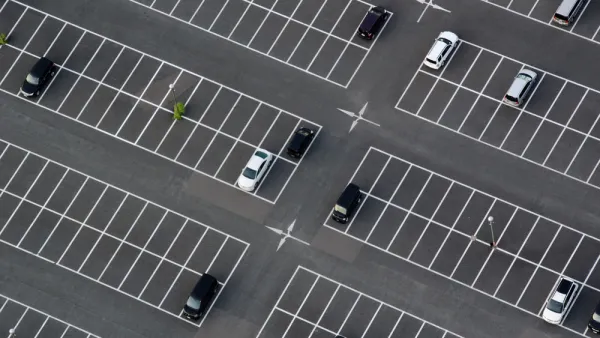
AVs and Real Estate - A Guide to Potential Impacts
AVs are more than a transportation issue and will have significant impacts on real estate. Expect AVs to affect parking, sprawl, housing prices, and transit.
Planned Obsolescence for Denver Parking
Denver developers are building parking that can be converted into housing, anticipating radical changes that autonomous vehicles could bring to city life.
Los Angeles' Brawl With Sprawl
Officials in Los Angeles were successful in implementing high-density growth policies to curb sprawl. However, a disconnect between culture, transportation policy, and the real estate market may have disastrous consequences.

Planetizen Federal Action Tracker
A weekly monitor of how Trump’s orders and actions are impacting planners and planning in America.

Eastern Nebraska is running out of electricity
Data centers and electrification are straining eastern Nebraska’s grid, throttling economic development.

Move over, LA: St. Louis gears up for Olympics, invests millions in downtown redevelopment
The Missouri city will host the 2028 Olympic soccer group stage and knockout matches.

Dallas releases zoning code overhaul to officials
The drafted overhaul is over 400 pages long.

NYC renovations for dangerous, ‘mercilessly crammed’ street delayed until 2027
Construction was supposed to begin this fall.

San Diego’s Midway Rising project gets greenlight from city council
The project looks to become the largest affordable housing development in California's history.

FREE Course: Walkable City 1: Why Walkability?
After describing his path towards focusing on walkability as the essence of good planning, Jeff Speck marches through his five principal reasons for making more walkable places.
Reinventing Malls: Planning Alchemy—Turning Gray Fields Into Gold
The course focuses on the opportunities and imperatives that shape reinvention of mall sites.

City of Rosemead
Rutgers University, Edward J. Bloustein School of Planning and Public Policy
One Hundred Miles
University of Michigan School for Environment and Sustainability (SEAS)
Hunter College, City University of New York (CUNY)
The Architects Foundation
City of Cambridge
The Pocatello Development Authority
The Urban Renewal Agency of the City of Pocatello