The city of Atlanta has some of the longest commutes of any big city in the nation. Supporters hope this fund can help bring a few people out of their cars.


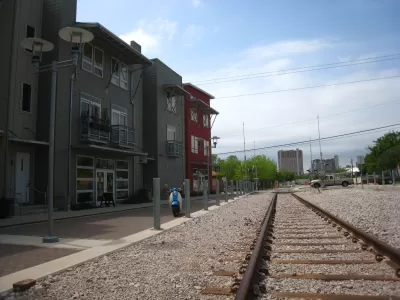
Atlanta will set up a $15 million fund to support transit-oriented developments (TODs). "Invest Atlanta announced Wednesday it was launching the city’s first-ever transit-oriented development fund, which will provide “below-market, patient capital to support the acquisition and predevelopment of workforce housing near MARTA stations, the Atlanta Streetcar, the Atlanta Beltline, and other modes of transit,” Sean Keenan reports for Curbed Atlanta. Supporters argue that by boosting these developments they can begin to address the issue of how many Atlantans car commute and the great distances they travel.
Keenan worries $15 million won't do much to address the problem. "When a single redevelopment project like the Hotel Clermont, as just one example, costs nearly twice as much as the transit-oriented development fund is worth, some might wonder if Invest Atlanta’s new initiative is but a stepping stone," Kenan points out.
FULL STORY: Invest Atlanta launches $15M transit-oriented development fund, but is it enough?

Living the TOD Lifestyle in Denver: Growing Transit and Affordable Housing
Dana Hawkins-Simons writes about how the Denver TOD Fund produces and ensures equitable, affordable development around the city's expanding transportation network.
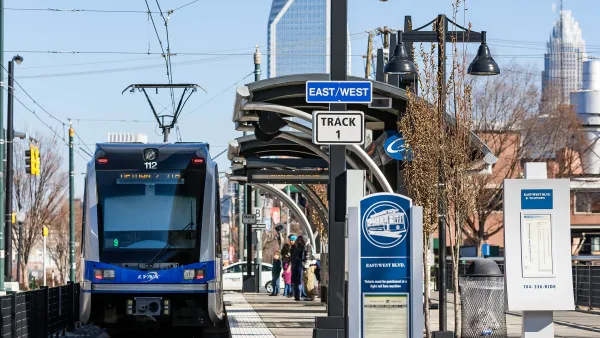
The triumph and tragedy of light rail in Charlotte
Like the iPhone, Charlotte's Blue Line represents a missed opportunity for the public to recoup the value it created.
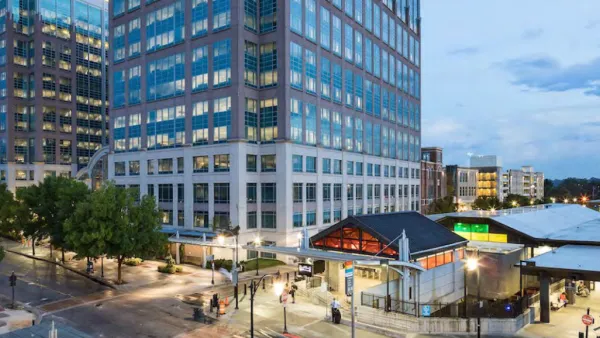
New TOD Breaks Ground in Atlanta Area
The project will include over 500 housing units, commercial and retail space, and park spaces.

The state-sanctioned urbicide of Austin
People don’t kill cities. Freeways do.

US to reduce Colorado River water deliveries to Mexico
A new Colorado Treaty amendment reduces Mexico’s Colorado River water allocation by 250,000 acre feet.

New Jersey’s second-largest city bans standalone data centers
Jersey City will continue to allow co-location facilities, such as those meant for research institutions that store their own data.

Amtrak not solely to blame for New Jersey commuter rail's unreliability, report finds
A new study from the Garden State Initiative found that NJ Transit’s budget grew 20% across a 4 year period, but reliability declined significantly over the same period.

EPA erases limits on planet-warming pollution from power plants
Under Monday’s plan, power plants would still have some limits on how much mercury, arsenic and other contaminants they can emit.

Phoenix announces new on-demand transit service, more frequent RAPID buses
Both new services will launch in October, and are part of Phoenix's Project Effective Access Solutions for Easing Congestion.

FREE Course: Walkable City 1: Why Walkability?
After describing his path towards focusing on walkability as the essence of good planning, Jeff Speck marches through his five principal reasons for making more walkable places.
Reinventing Malls: Planning Alchemy—Turning Gray Fields Into Gold
The course focuses on the opportunities and imperatives that shape reinvention of mall sites.

Eagle County Government
Harvard University Graduate School of Design
Nashville Planning Department
The Architects Foundation
University of Cincinnati Online
The Pocatello Development Authority
The Urban Renewal Agency of the City of Pocatello
Journal of the American Planning Association