There's a point to be made about the decline of New York City's affordable housing stock. Instead we'll talk about a badly mistaken report that severely over reported the problem.


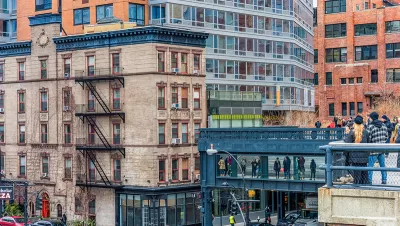
"New York City’s top fiscal officer issued a mea culpa on Wednesday for a major calculation mistake in a report on the rapid decrease of affordable housing," reports Katie Honan.
Earlier this week, Honan was reporting the findings of a report that claimed the city had lost 1 million apartments that rent for $900 or less since 2005 [paywall]. The report was the work of New York City Comptroller Scott Springer's office. The report also said the number of apartments renting for more than $2,700 a month had increased by 238,000.
A day later, the comptroller was issuing a correction. The actual number of $900 apartments missing from the market is less than half of the original report's finding, or 425,492 houses. "Although the comptroller’s office originally said that the number of apartments renting for $2,700 a month increased by 238,000 between 2005 and 2017, the actual increase was just 111,000 units, the updated report said," adds Honan.
FULL STORY: New York City Comptroller Admits Error on Housing Report

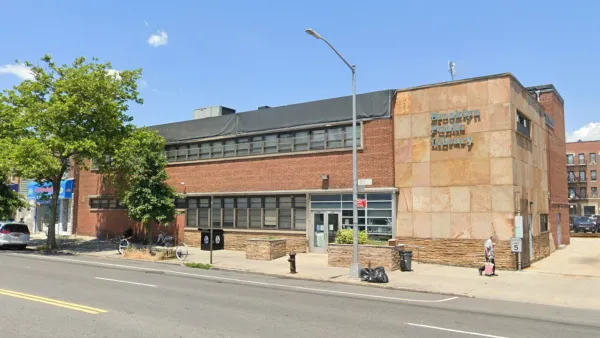
Mayor Mamdani unveils map of 100 public lots that could become housing
The city identified properties that could be available for new housing development.
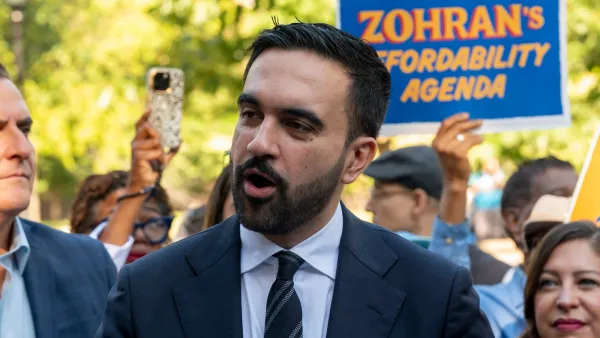
NYC landlords sue Mamdani administration over rent freeze
The suit charges the administration with unfairly promoting the rent freeze and accuses the city's Rent Guidelines Board of yielding to pressure from the mayor.
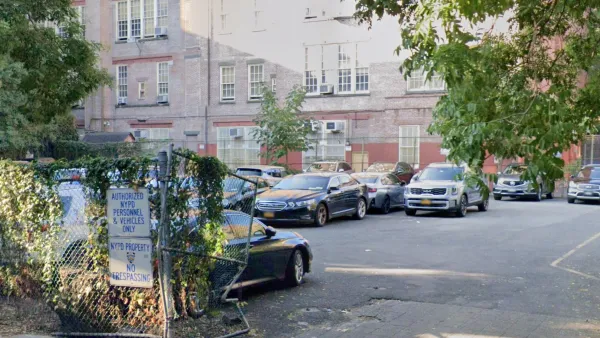
NYPD parking lot to become affordable housing as part of Mamdani's Block by Block initiative
The city awarded the lot to a group of developers to build a mixed-use project with 131 housing units.

Planetizen Federal Action Tracker
A weekly monitor of how Trump’s orders and actions are impacting planners and planning in America.

The state-sanctioned urbicide of Austin
People don’t kill cities. Freeways do.

US to reduce Colorado River water deliveries to Mexico
A new Colorado Treaty amendment reduces Mexico’s Colorado River water allocation by 250,000 acre feet.

Amtrak not solely to blame for New Jersey commuter rail's unreliability, report finds
A new study from the Garden State initiative found that NJ Transit’s budget grew 20% across a 4 year period, but reliability declined significantly over the same period.

EPA erases limits on planet-warming pollution from power plants
Under Monday’s plan, power plants would still have some limits on how much mercury, arsenic and other contaminants they can emit.

Phoenix announces new on-demand transit service, more frequent RAPID buses
Both new services will launch in October, and are part of Phoenix's Project Effective Access Solutions for Easing Congestion.

FREE Course: Walkable City 1: Why Walkability?
After describing his path towards focusing on walkability as the essence of good planning, Jeff Speck marches through his five principal reasons for making more walkable places.
Reinventing Malls: Planning Alchemy—Turning Gray Fields Into Gold
The course focuses on the opportunities and imperatives that shape reinvention of mall sites.

Eagle County Government
Harvard University Graduate School of Design
Nashville Planning Department
The Architects Foundation
University of Cincinnati Online
The Pocatello Development Authority
The Urban Renewal Agency of the City of Pocatello
Journal of the American Planning Association