Chicago's South Side got its 31st Street (number 31) bus back for some weekday service in 2016, but it's likely that service will be canceled again.


Without a spike in ridership or a new funding source, the 31st Street bus (number 31) will likely be canceled. A pilot program in 2016 brought back service on a limited basis from 10 am to 7 pm weekdays. "The No. 31 serves residents of the Bridgeport and Chinatown neighborhoods, and connects with Guaranteed Rate Field, Lake Meadows Shopping Center and the Illinois Institute of Technology. The 31st Street bus route was discontinued in 1997 over lack of ridership," Mary Wisniewski reports for the Chicago Tribune. Daily trips on the 31 average a little fewer than 300 a day. To be sustainable, the CTA says it needs to average 800 trips a day.
Advocates say a lack of morning rush hour and weekend service make it difficult for the bus to gain popularity. They also point out that it stops before Lake Michigan and the Mercy Hospital campus.
FULL STORY: Hope fading for No. 31 bus route serving Chinatown, Bridgeport

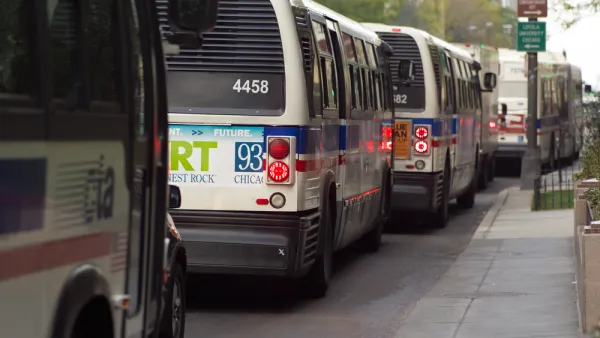
A Long-Awaited Bus Line Falls Short of Expectations in Chicago
The Chicago neighborhood of Bridgeport provides a case study of the collision between neighborhood advocacy, politics, and transit planning.
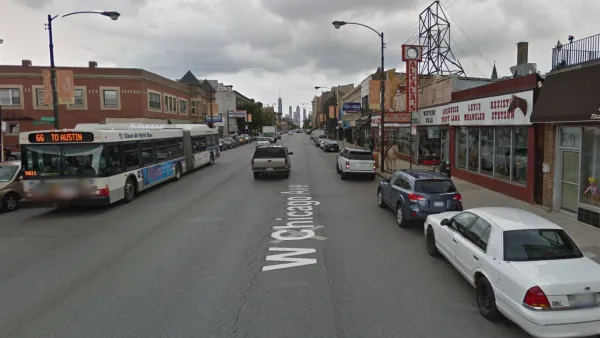
Bus Lane, Not Bike Lane, Should Be Chicago Avenue's Priority
Chicago Avenue bus is one of Chicago's busiest. It deserves a bus lane.
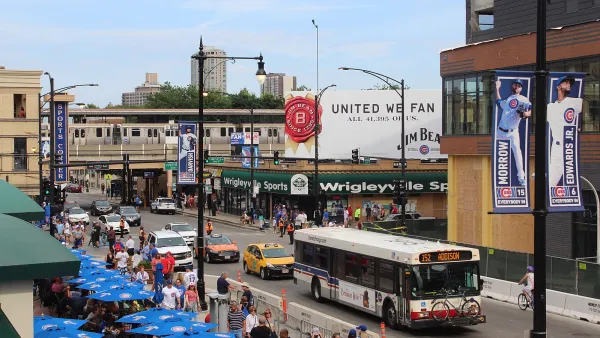
Chicago Plans ‘Better Streets for Buses’
The city of Chicago is taking first steps toward a commitment to better bus service in the design and configuration of the city's streets.

Planetizen Federal Action Tracker
A weekly monitor of how Trump’s orders and actions are impacting planners and planning in America.

The state-sanctioned urbicide of Austin
People don’t kill cities. Freeways do.

US to reduce Colorado River water deliveries to Mexico
A new Colorado Treaty amendment reduces Mexico’s Colorado River water allocation by 250,000 acre feet.

Mamdani overhauls NYC's Vision Zero plan with 100 new policy goals
The overhaul aims to reduce traffic deaths and make streets safer for pedestrians, cyclists and drivers through lower speed limits, new safety infrastructure and more.

Amtrak not solely to blame for New Jersey commuter rail's unreliability, report finds
A new study from the Garden State Initiative found that NJ Transit’s budget grew 20% across a 4 year period, but reliability declined significantly over the same period.

EPA erases limits on planet-warming pollution from power plants
Under Monday’s plan, power plants would still have some limits on how much mercury, arsenic and other contaminants they can emit.

FREE Course: Walkable City 1: Why Walkability?
After describing his path towards focusing on walkability as the essence of good planning, Jeff Speck marches through his five principal reasons for making more walkable places.
Reinventing Malls: Planning Alchemy—Turning Gray Fields Into Gold
The course focuses on the opportunities and imperatives that shape reinvention of mall sites.

Eagle County Government
Harvard University Graduate School of Design
Nashville Planning Department
The Architects Foundation
University of Cincinnati Online
The Pocatello Development Authority
The Urban Renewal Agency of the City of Pocatello
Journal of the American Planning Association