The Daily Source of Urban Planning News

Milwaukee Considers Zoning Reform
The city is looking for ways to boost housing production, anticipating a growing population.

Central Park Sidewalk Restoration Project Balances Accessibility, Preservation
The original tile and brick sidewalks now pose safety hazards and don’t fully serve modern accessibility and mobility needs.

NJ Transit Could Hike Fares by 15 Percent
Riders say the cost increase is not reflected in the system’s service.

BLOG POST
An Urbanist’s Guide to St. Patrick’s Day Celebrations
Festivities in these five U.S. cities and towns honor Irish and Irish American culture with an urban planning twist.

California's Lone Ballot Measure: Too Close To Call
Unlike on prior election days, California voters had only one state proposition to decide on March 5, a combination $6 billion general obligation bond and a restructuring of an income surtax, both dealing with behavioral health and homelessness.
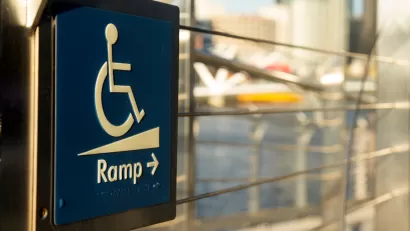
America’s 15 Most Accessible Cities
These cities are the easiest to navigate for people in wheelchairs or with mobility challenges.
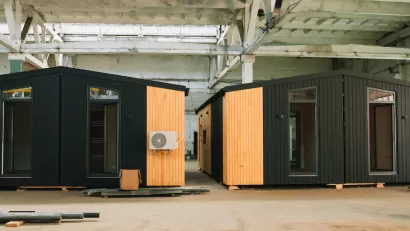
Policy Prescriptions for Modular Housing
Tweaks to building codes, zoning regulations, and financing mechanisms could unlock the potential of modular construction in the United States.

Making Trip Planning Easier for Vision-Impaired Transit Riders
The app provides navigation using audio and haptic cues to improve accessibility for people with low vision.

How Public Transit Became Political
A number of factors explain the partisan divide in support for transit.

LA Zoning Reforms Could Yield Up to 250,000 New Homes
A draft plan would speed up permitting for residential projects with an affordability component and make more buildings eligible for adaptive reuse.

Resilience Matters: Building Sustainable Futures
A new e-book highlights the work of people and organizations planning more resilient cities.

Southern California Water District Offers $100 Rebate for Planting Trees
Residents and businesses can choose from a list of eligible trees to support efforts to boost urban tree canopies and help with stormwater retention.

Federal Government Awards Reconnecting Communities Grants
States and cities received over $3 billion in grant funding aimed at redressing the damage caused by freeways.

Storm Erases $500,000 Massachusetts Sand Dune
A protective dune built with funds from city residents lasted just three days before being washed away in a storm.

New York Open Streets Shrinking Dramatically
As city funding runs out, the number of miles in open streets projects has dwindled from 83 to just 20.

BLOG POST
A Better Understanding of Smart Growth Benefits
Smart Growth creates compact, multimodal communities where residents consume less land, drive less, and rely more on non-auto modes. Planners have important stories to tell about the benefits of Smart Growth.

Opinion: What American Transportation Engineering Gets Wrong
And how transportation decisions could more effectively prioritize safety.

Feds Award LA Region $900 Million for Transportation Projects
The funding will support efforts to make improvements to transit and pedestrian infrastructure ahead of the 2028 Olympics.

New Solar Capacity Outpaces New Fossil Fuels in the US
Solar energy still makes up just 5 percent of the nation’s energy mix, but could grow faster in coming years.

Utah’s Affordable Housing Supply Dwindling
Rents and home prices are skyrocketing, forcing many residents to make difficult decisions or move out of major cities.
City of Thousand Oaks
City of Wisconsin Rapids
Harvard University Graduate School of Design
The Architects Foundation
University of Cincinnati Online
The Pocatello Development Authority
The Urban Renewal Agency of the City of Pocatello

FREE Course: Walkable City 1: Why Walkability?
After describing his path towards focusing on walkability as the essence of good planning, Jeff Speck marches through his five principal reasons for making more walkable places.
Reinventing Malls: Planning Alchemy—Turning Gray Fields Into Gold
The course focuses on the opportunities and imperatives that shape reinvention of mall sites.