Traffic to the Hunts Point Produce Market causes increased rates of asthma in surrounding neighborhoods.


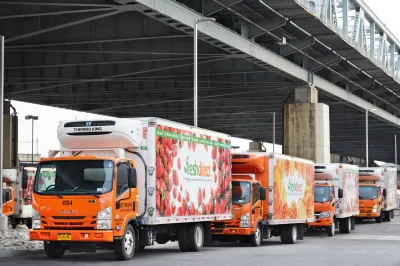
Revenue from New York City’s congestion pricing program funded the purchase of the first 20 of up to 1,000 electric-hybrid transport refrigeration units used to transport items to and from a large produce market in the South Bronx.
As Jose Martinez reports in The City, “Replacing transport refrigeration units is among congestion pricing’s promised mitigation measures for The Bronx, where total asthma emergency room visits from 2022 to 2024 far outpaced rates from other boroughs, according to state Health Department data.”
The city is buying the first 20 hybrid units now and plans to add another 75 to the fleet later this year. According to Janno Lieber, MTA chairperson and chief executive, “Replacing just one of these units avoids the particulate matter, the emissions, of 330 truck trips per day on the Cross Bronx Expressway.”
The initiative to replace diesel trucks is one of the benefits that congestion pricing is having outside the toll zone itself, where air pollution has fallen by more than 20% since the program started.
FULL STORY: Congestion Tolls Fund Fridges to Replace Diesel-Spewing Units in South Bronx

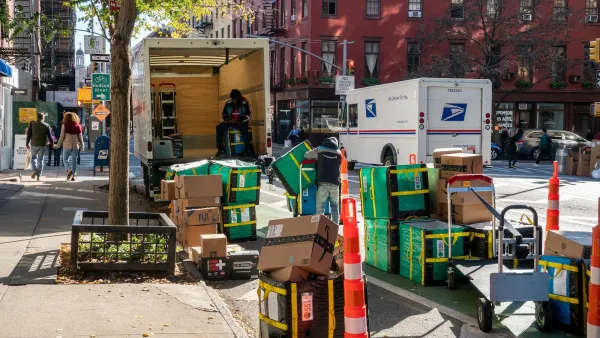
Report: 75% of NYC warehouses are in 'disadvantaged communities'
Low-income New Yorkers are 1.2 times more likely to live within half a mile of a warehouse.
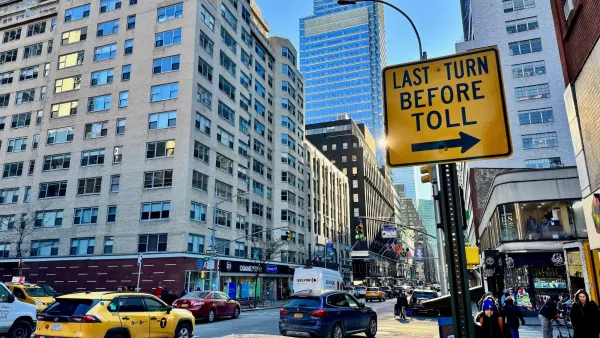
NYC Congestion Pricing Cut Air Pollution by 22% in 6 Months
The program reduced vehicle entries into the toll zone by 11 percent.
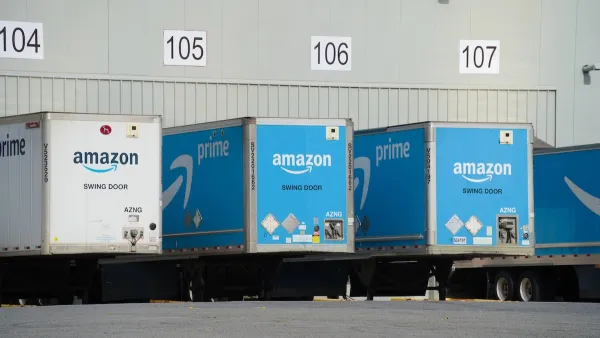
Poorest NYC Neighborhoods Pay Price for Delivery Boom
The rise of ‘last-mile’ e-commerce warehouses — and their attendant truck traffic and air pollution — is disproportionately impacting the most historically disadvantaged parts of the city.

Planetizen Federal Action Tracker
A weekly monitor of how Trump’s orders and actions are impacting planners and planning in America.

The state-sanctioned urbicide of Austin
People don’t kill cities. Freeways do.

US to reduce Colorado River water deliveries to Mexico
A new Colorado Treaty amendment reduces Mexico’s Colorado River water allocation by 250,000 acre feet.

Airbnb launches $250 million 'last-dollar financing' housing accelerator, makes first investment in Austin
The company will put $6.4 million towards affordable housing development in Texas’ capital.

Guerilla urbanists are building DIY bus stop benches in Chicago
A before-and-after of one of the bus stops with a new bench. The new benches are not officially sanctioned or permitted, but the residents who placed them hope they will be the start of a network of DIY benches across the city.

Mamdani overhauls NYC's Vision Zero plan with 100 new policy goals
The overhaul aims to reduce traffic deaths and make streets safer for pedestrians, cyclists and drivers through lower speed limits, new safety infrastructure and more.

FREE Course: Walkable City 1: Why Walkability?
After describing his path towards focusing on walkability as the essence of good planning, Jeff Speck marches through his five principal reasons for making more walkable places.
Reinventing Malls: Planning Alchemy—Turning Gray Fields Into Gold
The course focuses on the opportunities and imperatives that shape reinvention of mall sites.

Eagle County Government
Harvard University Graduate School of Design
Nashville Planning Department
The Architects Foundation
University of Cincinnati Online
The Pocatello Development Authority
The Urban Renewal Agency of the City of Pocatello
Journal of the American Planning Association