Between 2015 and 2024, 22,538 injury or fatal crashes occurred on Sacramento streets.


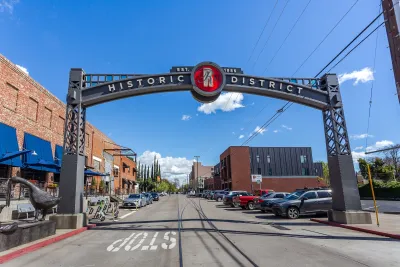
Sacramento is “unable to build” 700 transportation plans that would cost over $5 billion, reports Madison Smalstig in The Sacramento Bee, including roughly $3 billion of work on dangerous roadways that have seen fatal or severe injury crashes.
While the city adopted a Vision Zero policy in 2017, it did not adjust its funding structure to support new road safety projects, Smalstig explains. “One measure that could appear on the November ballot would impose a half-cent sales tax to fund road maintenance, pedestrian and bicycle safety projects, and transit operations.”
The city has lowered speed limits to 15 miles per hour near 100 local schools and has begun construction on a ‘quick-build’ safety project in Marysville Boulevard, where four people died in crashes in two years. “The project is the result of the quick-build strategy created last year that set aside about $4.6 million to construct some relatively small-scale improvements and interim improvements for larger-scale projects.” According to the article, the city has not hired new staff for those projects due to a $66 million budget shortfall.
FULL STORY: At least $5 billion needed for Sacramento’s backlog to fix roads, improve safety

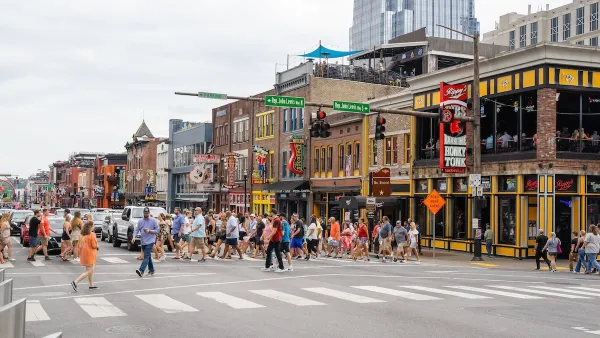
The Best Complete Streets Policies in the US, Ranked
San Antonio and Nashville top the list, with most large cities not making an appearance in the top 40.
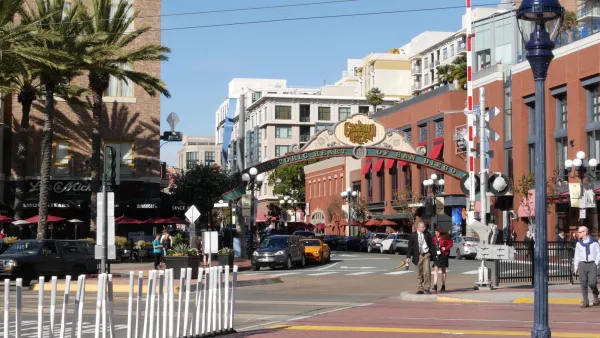
San Diego budget axes multimodal team at DOT
The budget scales back funding for some bike lane and traffic safety projects that are already in the works.
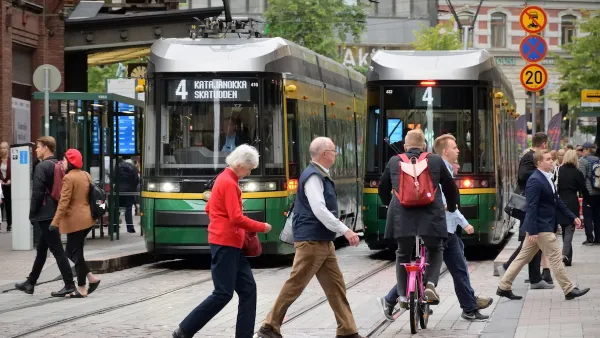
In Defence of Vision Zero — a Traffic Engineer’s Perspective
Traffic engineers have long suffered the reputation that all we care about is moving cars. The reality could not be more different.

Planetizen Federal Action Tracker
A weekly monitor of how Trump’s orders and actions are impacting planners and planning in America.

The state-sanctioned urbicide of Austin
People don’t kill cities. Freeways do.

US to reduce Colorado River water deliveries to Mexico
A new Colorado Treaty amendment reduces Mexico’s Colorado River water allocation by 250,000 acre feet.

5 New England states march closer to 800 megawatt wind energy project
Securing federal approval for the project may be complicated under the Trump administration, which has historically been hostile towards domestic wind power.

Baltimore to break ground on $50 million Transit Priority Project
The project will bring faster bus trips, safer streets and better bike connections to Baltimore.

Airbnb launches $250 million 'last-dollar financing' housing accelerator, makes first investment in Austin
The company will put $6.4 million towards affordable housing development in Texas’ capital.

FREE Course: Walkable City 1: Why Walkability?
After describing his path towards focusing on walkability as the essence of good planning, Jeff Speck marches through his five principal reasons for making more walkable places.
Reinventing Malls: Planning Alchemy—Turning Gray Fields Into Gold
The course focuses on the opportunities and imperatives that shape reinvention of mall sites.

Eagle County Government
Harvard University Graduate School of Design
Nashville Planning Department
The Architects Foundation
University of Cincinnati Online
The Pocatello Development Authority
The Urban Renewal Agency of the City of Pocatello
Journal of the American Planning Association