The city’s police chief is asking to limit the company’s data retention and sharing abilities.


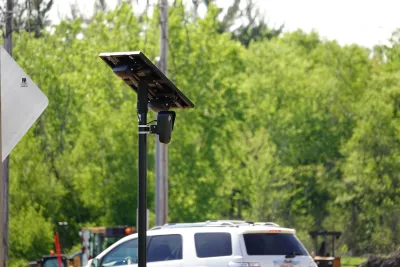
The San Jose Police Department wants to rein in its Flock automated license plate reader cameras, but is opting to maintain its contract with the company, reports Robert Salonga in The Mercury News.
“In a policy memo released Thursday, SJPD Chief Paul Joseph asks the City Council to shrink the retention period for plate data from one year to 30 days, and ban cameras from recording vehicles entering and leaving houses of worship and reproductive health clinics.” The city joins others that are reconsidering their contracts with Flock in the wake of privacy and surveillance concerns.
The changes requested by Joseph would require California agencies to provide detailed explanations for data requests, which must then be approved by a police commander. Joseph also says the department has disabled a “Federal Sharing” option in the police data portal. “The chief said the polarizing nature of the technology is why he has requested that the council review and codify his proposals, both to ensure their longevity and to allow for public discussion of the merits.”
The move comes after a November lawsuit against the city and the police chief that argues that “continuous searches through the data without judicial warrants violated the California Constitution.” Nick Hidalgo, a senior staff attorney at the ACLU — one of the plaintiffs in the lawsuit — says “anything short of a warrant requirement is insufficient.”
Mountain View, Santa Cruz, and Santa Clara County are among other California cities that have recently voted to eject Flock.
FULL STORY: San Jose police rein in license-plate reader policies as surveillance-tech debate rages


Flock cameras misread license plates in 71% of cases in California study
An analysis of 1,500 reports showed a shockingly high rate of error when reading license plates.
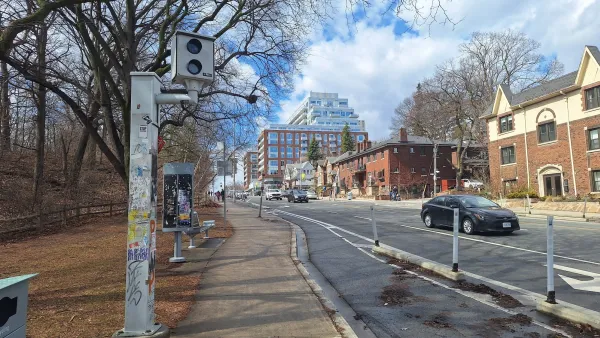
Speeding surges after Ontario cities remove traffic cameras
The province ordered cities to remove the devices despite data that shows they save lives.
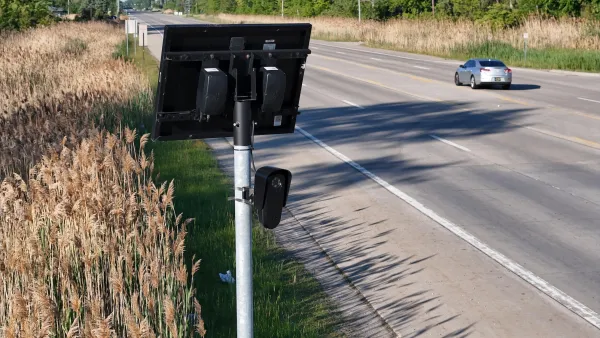
Commentary: Legitimate privacy fears undermine legitimate, life-saving speed camera programs
Automated traffic enforcement works — but excessive surveillance threatens to derail this key safety initiative.

The state-sanctioned urbicide of Austin
People don’t kill cities. Freeways do.

US to reduce Colorado River water deliveries to Mexico
A new Colorado Treaty amendment reduces Mexico’s Colorado River water allocation by 250,000 acre feet.

New Jersey’s second-largest city bans standalone data centers
Jersey City will continue to allow co-location facilities, such as those meant for research institutions that store their own data.

Amtrak not solely to blame for New Jersey commuter rail's unreliability, report finds
A new study from the Garden State Initiative found that NJ Transit’s budget grew 20% across a 4 year period, but reliability declined significantly over the same period.

EPA erases limits on planet-warming pollution from power plants
Under Monday’s plan, power plants would still have some limits on how much mercury, arsenic and other contaminants they can emit.

Phoenix announces new on-demand transit service, more frequent RAPID buses
Both new services will launch in October, and are part of Phoenix's Project Effective Access Solutions for Easing Congestion.

FREE Course: Walkable City 1: Why Walkability?
After describing his path towards focusing on walkability as the essence of good planning, Jeff Speck marches through his five principal reasons for making more walkable places.
Reinventing Malls: Planning Alchemy—Turning Gray Fields Into Gold
The course focuses on the opportunities and imperatives that shape reinvention of mall sites.

Eagle County Government
Harvard University Graduate School of Design
Nashville Planning Department
The Architects Foundation
University of Cincinnati Online
The Pocatello Development Authority
The Urban Renewal Agency of the City of Pocatello
Journal of the American Planning Association