The department is sending letters to local officials rescinding multimodal grants, saying the money will instead be focused on projects that “promote vehicular travel.”


Communities around the country are receiving notices from the U.S. Department of Transportation that grants they were previously awarded for multimodal projects are being rescinded, reports Kea Wilson in Streetsblog USA.
According to local officials in New Mexico, USDOT’s letter notifying them that the department would no longer provide funding for the Albuquerque Rail Trail project stated that the money would go toward more “car-focused” projects. In Connecticut, “Naugatuck Valley Council of Governments Executive Director Rick Dunne told CT Post that DOT's rescission letter noted ‘they’re focusing multimodal grant programs on projects that promote vehicular travel.’” In the case of McLean County, Illinois, no reason for the grant denial was given other than that the awarded project “no longer aligned with [the department's] priorities.”
Wilson notes that this is a developing story and that unconfirmed reports indicate that more grants are being clawed back as part of the administration's efforts to reduce funding for projects that don't promote driving. “Experts say the Trump administration has been testing the legal limits of its ability to rescind, delay, or demand significant modifications to previously announced awards for sustainable and equitable transportation since it re-entered the White House, though the administration is being sued for the allegedly illegal behavior.”
Read the full story: Breaking: US DOT Pulls Grants For Projects That Aren’t Focused on Cars
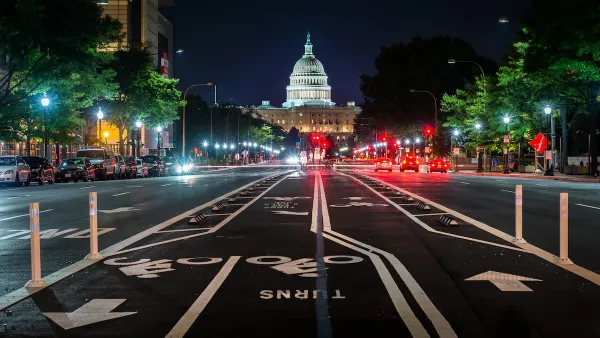
Safe Streets Funding in Jeopardy
The Trump administration is specifically targeting bike infrastructure and other road safety projects in its funding cuts.
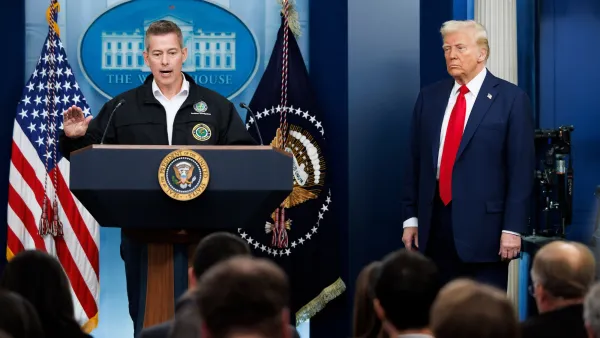
USDOT secretary plans to pull $1.73B from 'DEI bike lanes'
The move jeopardizes dozens of road safety projects around the country.
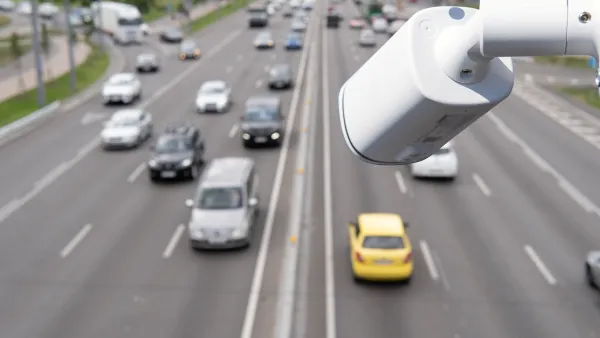
USDOT Blocks Federal Funding for Traffic Cameras
Applicants to the Safe Streets and Roads for All grant program will not be allowed to use funds for automated traffic enforcement.

Planetizen Federal Action Tracker
A weekly monitor of how Trump’s orders and actions are impacting planners and planning in America.

Eastern Nebraska is running out of electricity
Data centers and electrification are straining eastern Nebraska’s grid, throttling economic development.

Study reveals best places in the U.S. for cycling, walking
New research from Streetlight Data examines bicycle and pedestrian miles per capita in the 100 largest U.S. cities by population.

Next-generation nuclear reactors are coming to Texas
The reactors will not require towering containment structures thanks to new safety features.

California distributes $1.3 billion to prevent transit service cuts, bolster projects
Twenty-eight projects across California received a portion of the funding.

Pennsylvania Democrats have 15 affordability, clean energy bills for flipped state Senate
Bills in consideration include a bill supporting geothermal energy and a bill supporting solar on warehouses.

FREE Course: Walkable City 1: Why Walkability?
After describing his path towards focusing on walkability as the essence of good planning, Jeff Speck marches through his five principal reasons for making more walkable places.
Reinventing Malls: Planning Alchemy—Turning Gray Fields Into Gold
The course focuses on the opportunities and imperatives that shape reinvention of mall sites.

City of Charlotte
City of Rosemead
Rutgers University, Edward J. Bloustein School of Planning and Public Policy
University of Michigan School for Environment and Sustainability (SEAS)
Hunter College, City University of New York (CUNY)
The Architects Foundation
City of Cambridge
The Pocatello Development Authority
The Urban Renewal Agency of the City of Pocatello