New York City’s Greater Greenways plan charts an ambitious, equity-focused expansion of its 500-plus-mile greenway network, aiming to connect more neighborhoods to parks, waterfronts, and safe, sustainable transportation options.


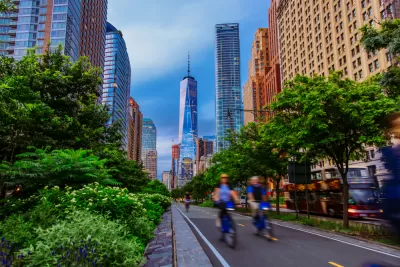
New York City has released Greater Greenways, its first citywide greenway plan in over three decades, laying out a detailed vision to expand, connect, and enhance the city’s 506 miles of existing pedestrian and cycling corridors. Greenways — continuous multi-use paths for recreation and transportation — are intended to improve access to parks, waterfronts, and public spaces while advancing goals related to health, equity, environmental resilience, and economic growth. The plan, developed by the Department of Transportation, NYC Parks, and the Economic Development Corporation, emphasizes closing network gaps and extending greenway access to historically underserved communities, particularly in the Bronx, Queens, and Staten Island.
The plan is organized into two main sections: Greenways of Today, which maps the existing network, its current conditions, and the multiple agencies overseeing it; and Greenways of Tomorrow, which outlines five primary goals for expansion. These include enhancing the transportation network, promoting social equity, supporting health and wellness, fortifying environmental resilience, and fostering economic growth. More than 100 planned and in-progress greenway projects are identified, offering transparency about timelines, funding, and design features to ensure accessibility for all users.
Building on recent initiatives like the Harlem River Greenway in the Bronx, Greater Greenways is both a roadmap for the next generation of greenway projects and a call for coordinated investment. Officials and advocates hailed it as a transformative opportunity to link neighborhoods, reduce reliance on cars, and provide safe, green transportation routes across all five boroughs. With an emphasis on underserved neighborhoods, the plan seeks to make greenways a truly citywide asset that improves quality of life, strengthens climate resilience, and ensures every New Yorker can enjoy the benefits of connected, accessible public space.
Read the full story: New York City Releases Major Greenway Plan, Envisioning Greater Public Access to New York City’s Parks and Waterfront

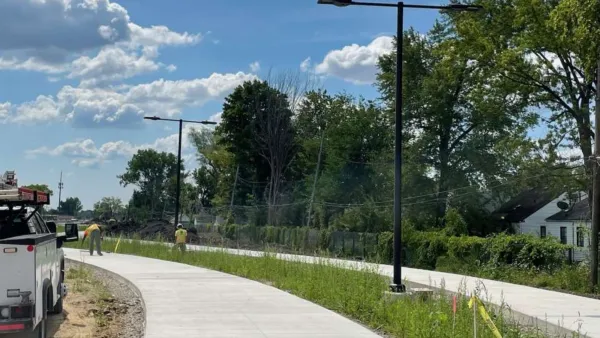
Detroit greenway brings revival — and fears of displacement
The planned Joe Louis Greenway is already bringing change to the neighborhoods near it.
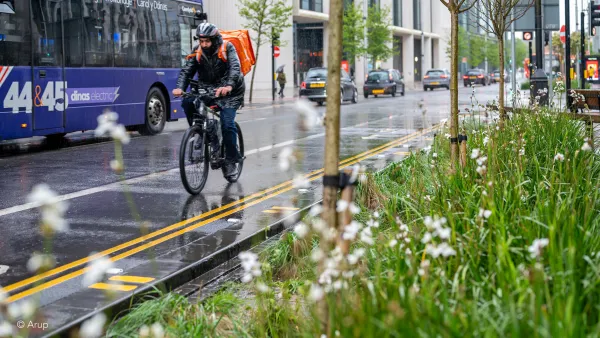
This UK city's bike lanes double as rain gardens and wildlife habitats
Cardiff is combining mobility infrastructure with greening measures to help conserve water, clean the air, and provide shade and greenery.
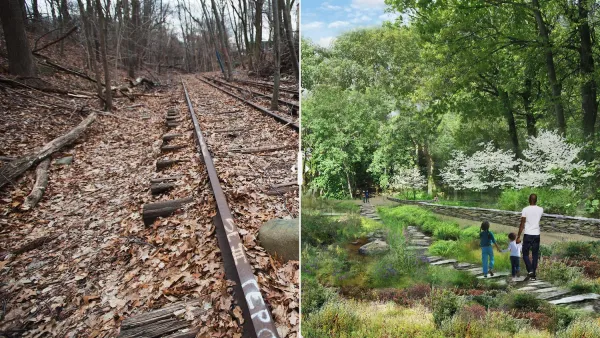
From Queens to Chattanooga, Federal Funding Cuts are Killing Park Projects
Cuts to grants from the Department of Transportation to the EPA are impacting small and large park projects across the country.

Planetizen Federal Action Tracker
A weekly monitor of how Trump’s orders and actions are impacting planners and planning in America.

The state-sanctioned urbicide of Austin
People don’t kill cities. Freeways do.

US to reduce Colorado River water deliveries to Mexico
A new Colorado Treaty amendment reduces Mexico’s Colorado River water allocation by 250,000 acre feet.

Nation's most wind-powered state turns to coal as data centers increase energy demand
For the first time in decades, Iowa has increased its generation of coal power.

NYC cools commuters with city's first rain garden above a bus stop
New York City officials say the plants in the rain garden can absorb 16 gallons of rainwater during heavy storms.

Brightline West’s future may rely on $6 billion federal loan
The company has until Nov. 2 to make a $400 million equity investment into its proposed high-speed rail line.

FREE Course: Walkable City 1: Why Walkability?
After describing his path towards focusing on walkability as the essence of good planning, Jeff Speck marches through his five principal reasons for making more walkable places.
Reinventing Malls: Planning Alchemy—Turning Gray Fields Into Gold
The course focuses on the opportunities and imperatives that shape reinvention of mall sites.

Eagle County Government
Harvard University Graduate School of Design
Nashville Planning Department
The Architects Foundation
University of Cincinnati Online
The Pocatello Development Authority
The Urban Renewal Agency of the City of Pocatello
Journal of the American Planning Association