The planned Joe Louis Greenway is already bringing change to the neighborhoods near it.


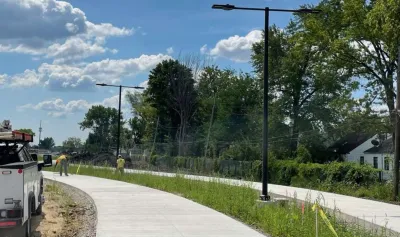
Detroit's planned Joe Louis Greenway is bringing change to neighborhoods along the 29-mile, $300-million route.
According to an article by Olivia Lewis in Bridge Detroit, "City officials say the project will create opportunities to highlight Detroit culture and artistic influence while increasing economic opportunity through new developments in neighborhoods along its path. But some Detroiters worry that the massive development will change the fabric of the neighborhood and attract businesses that aren’t reflective of the community."
As home prices rise, residents worry about displacement and gentrification as the greenway project moves ahead. The city undertook two studies assessing the greenway's potential impacts on surrounding neighborhoods. One resident, Ryan Marie Davis, says she and her neighbors "want to see lessons learned from other city investments, such as decreasing traffic, opportunities for small businesses to flourish and quality, affordable housing options."
Read the full story: Joe Louis Greenway brings hopes for investment — and concerns about affordability

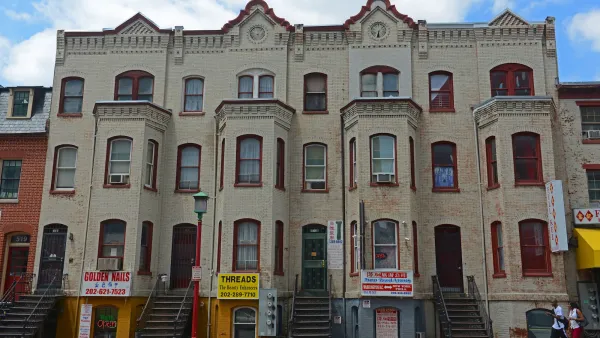
Is this the first wave of de-gentrification?
Valencia, Temescal, H Street and the fickle fortunes of the gentrified neighborhood.
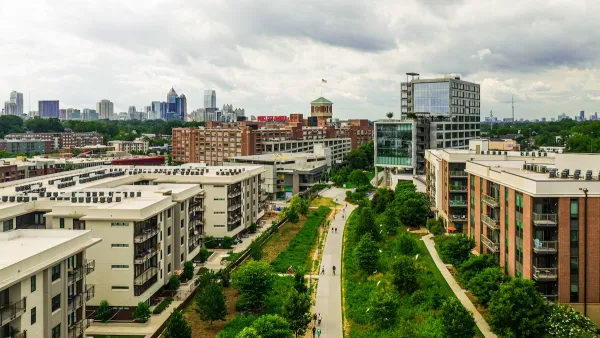
Beltline Surpasses Annual Affordable Housing Goal
The Atlanta Beltline agency is actively working to prevent the displacement of longtime residents along the trail system, where property values are rising rapidly.
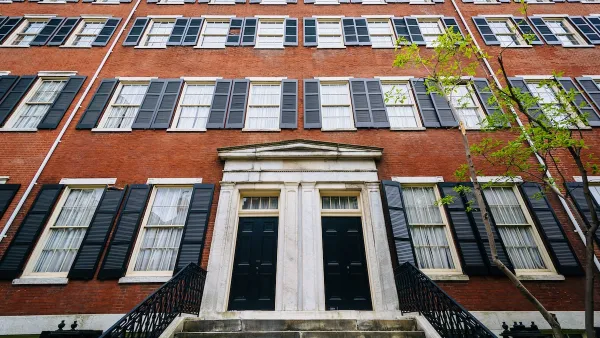
Philly Residents Push Back on New Historic Preservation District
Some residents of Philadelphia’s newly designated Washington Square West Historic District say the community was left out of the decision-making process that could impact housing costs and building requirements.

Planetizen Federal Action Tracker
A weekly monitor of how Trump’s orders and actions are impacting planners and planning in America.

Data reveals that NYC’s bet on congestion pricing has paid off
After almost two years of the program, reports show positive impacts on traffic and air quality and no disruptions to parking.
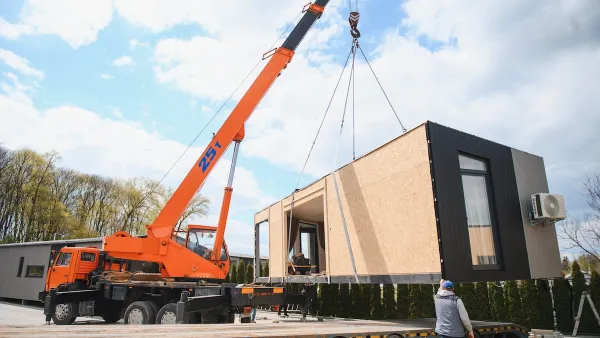
HUD modernizes 50-year-old manufactured housing framework
The Next Generation Manufactured Housing Action Plan establishes new energy-efficiency standards for manufactured homes, and new guidelines for anchoring them.

California voters weigh $11.25 billion housing bond
Prop. 1, combined with other funding, would support over 40,000 new rental units in California.

Connecticut is turning landfills into green infrastructure
Twenty-nine solar arrays have been built, or approved to be built, on top of Connecticut landfills.

Trump guts ‘win-win’ solar energy program for rural farmers
The U.S. Department of Agriculture’s changes have made virtually all solar power ineligible for funding through the Rural Energy for America Program.

FREE Course: Walkable City 1: Why Walkability?
After describing his path towards focusing on walkability as the essence of good planning, Jeff Speck marches through his five principal reasons for making more walkable places.
Reinventing Malls: Planning Alchemy—Turning Gray Fields Into Gold
The course focuses on the opportunities and imperatives that shape reinvention of mall sites.

One Hundred Miles
County of Mendocino
planning NEXT
The Architects Foundation
University of Cincinnati Online
Montrose County
Northern Illinois Transit Authority (NITA)
The Pocatello Development Authority