After almost two years of the program, reports show positive impacts on traffic and air quality and no disruptions to parking.


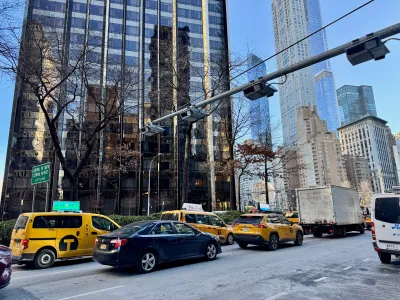
Among American cities, New York City is really one of a kind: from boasting the largest population of any city in the United States, to moving that population with a massive transit system with no comparison on the continent. However, even the city’s colossal transit system couldn’t keep gridlock at bay, forcing NYC to get creative. Almost two years ago, the city became a trailblazer in transportation funding mechanisms and traffic management strategies — of course, I am talking about the nationally famous congestion pricing program.
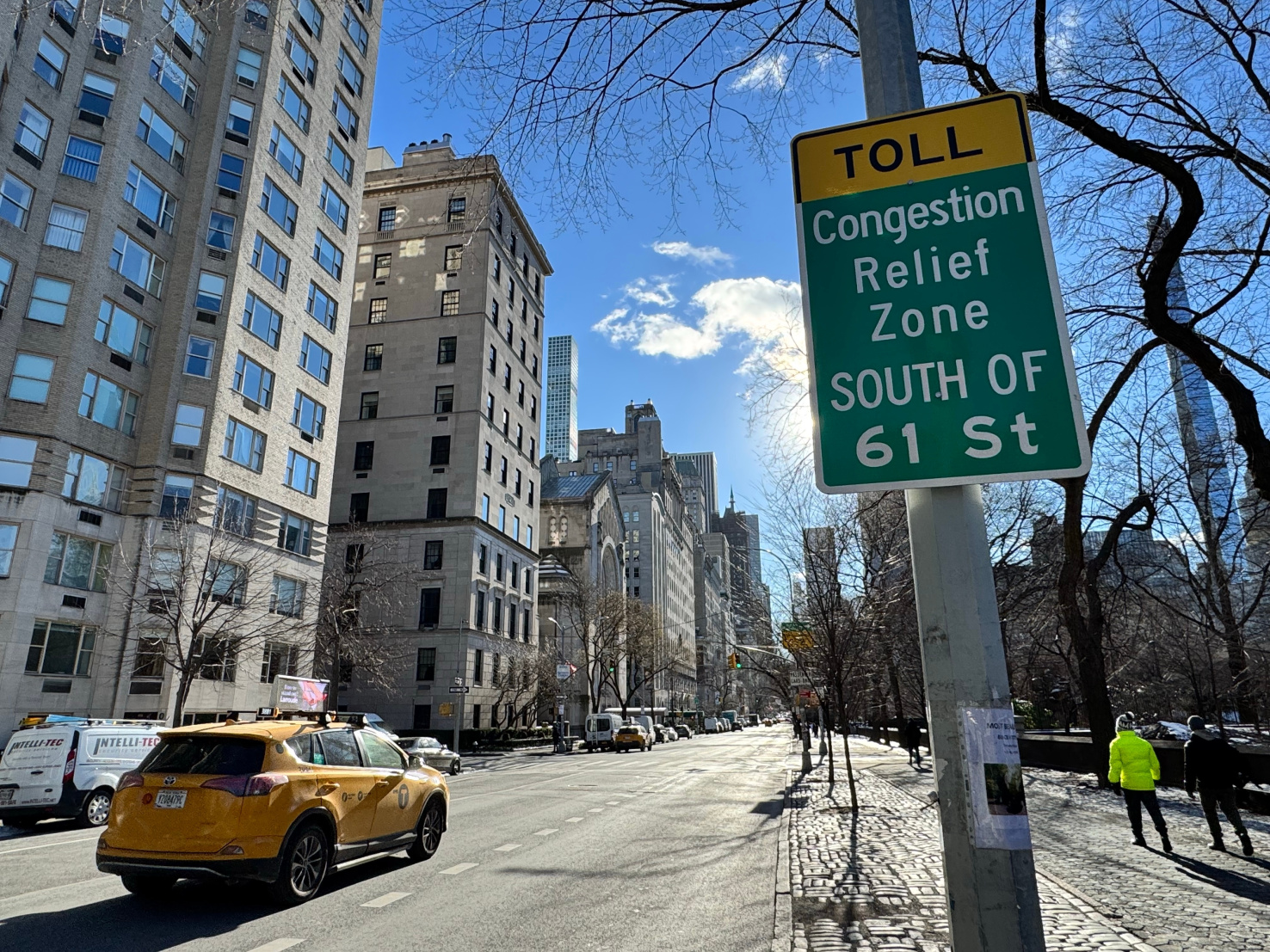
For a quick recap, NYC has adopted zone-based congestion pricing, and charges vehicles that enter the zone depending on how much congestion there is in a specified area. The city’s goal is both to reduce traffic by increasing the monetary incentive and to gather funds for transit.
As everyone who was vaguely aware of the program through the first half of this decade knows, it did not start smoothly. But, nearly two years after its inception in NYC, the MTA and independent researchers have released studies examining congestion pricing's impact on NYC resident’s health, the speed of emergency medical services and parking on 60th street. Long story short: CONGESTION PRICING WORKS.
Congestion pricing rollout faces delays, lawsuits
Congestion pricing has faced political struggles since the very beginning: The state of New Jersey tried to shut down NYC’s program before it even started, arguing in 2023 that the Environmental Assessment of the program was not comprehensive or complete. Despite New Jersey's best attempts, a federal judge denied its push to stop NYC’s congestion tolling plan in early 2025.
New York Governor Kathy Hochul also halted the project indefinitely in June 2024, stating that the toll was too expensive. But, the pause was only temporary: Six months later, with a revised program, congestion pricing finally came alive on Manhattan Island on January 5, 2025.
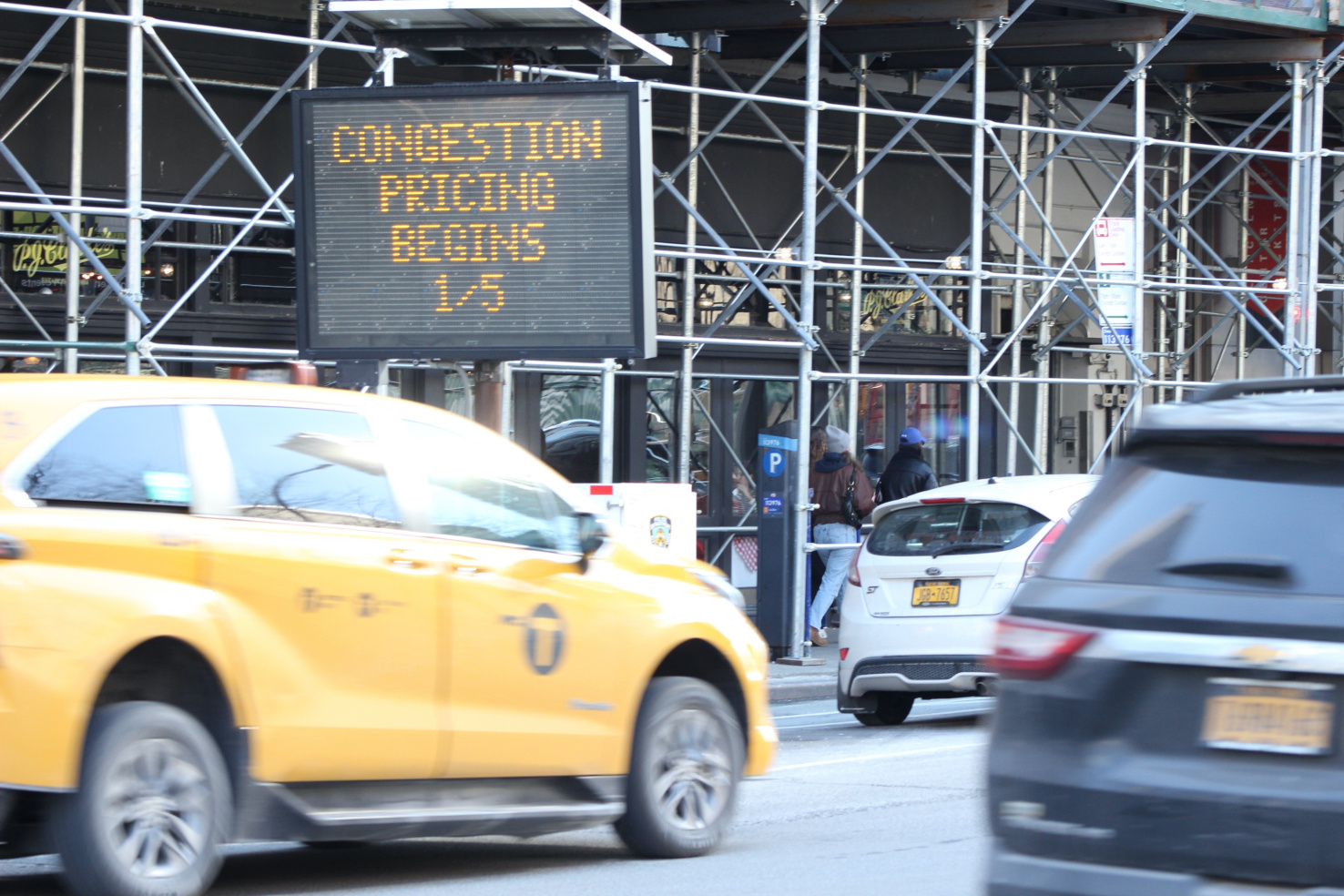
Then, barely a month after NYC introduced congestion pricing, Sean Duffy’s USDOT sued the program claiming that NYC implemented it improperly. Fortunately, a federal judge declared the attempt to end the program was illegal: congestion pricing is still in place today, and now, studies are singing its praises.
Post-congestion pricing, NYC moves faster
Early on this year, MTA’s official first evaluation report shows various benefits of congestion pricing. Highlights include 11% fewer vehicle entries between January and October in 2025, 7.1% fewer vehicle miles traveled in the CRZ from January to September in 2025 and $468M in net revenue raised through October (on track to generate over $500M in the first year).
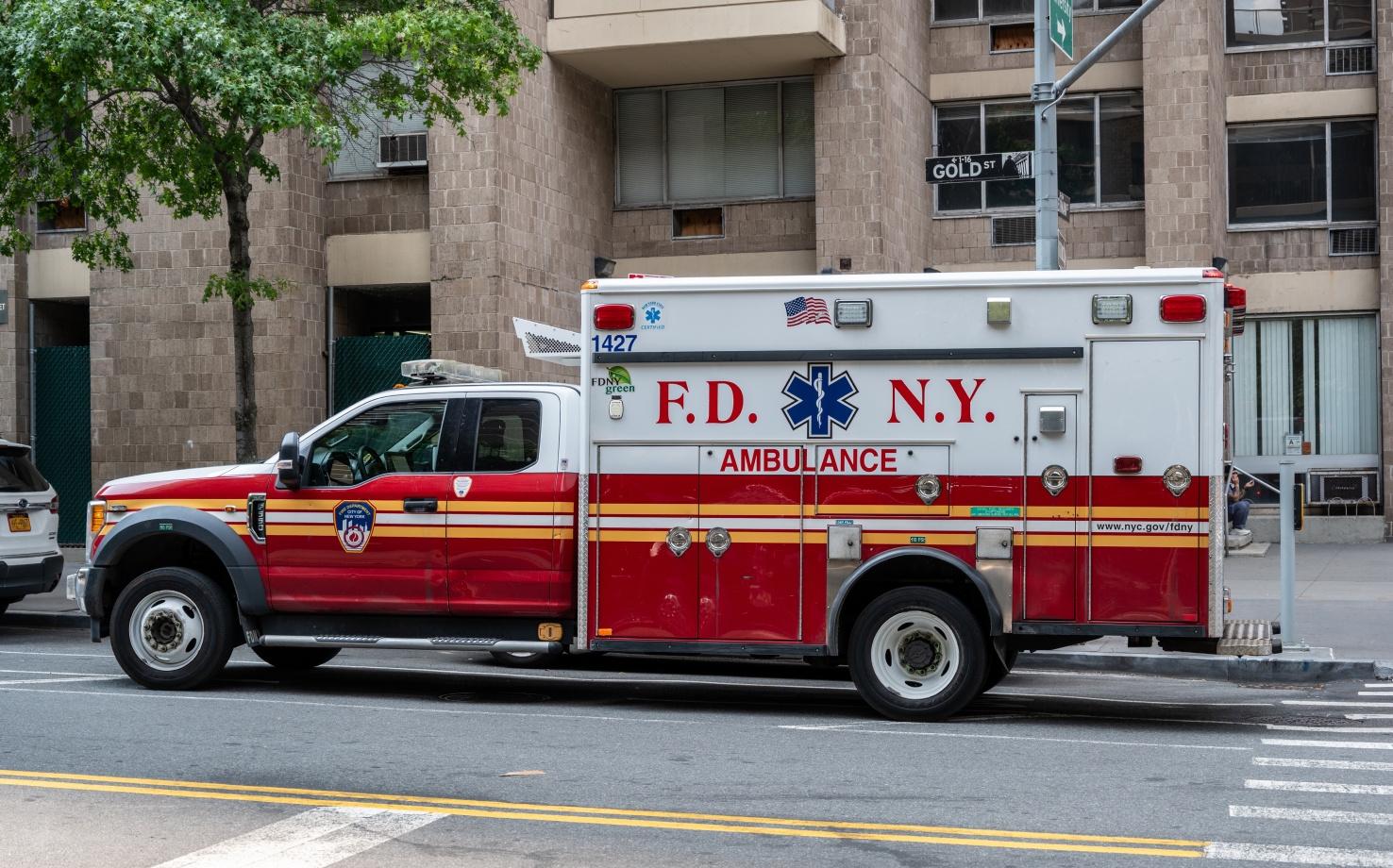
Then, in July of 2026, the National Bureau of Economic Research published a working paper on NYC’s congestion pricing program's effect on emergency medical service response times. The paper found that congestion pricing improves EMS performance, reducing total travel times by 63–70 seconds (approximately 5–6 %). This paper is the first evidence of improved EMS due to NYC’s congestion relief zone, and indicates another net social benefit for the program.
Residents can breathe a little easier
Now, more than 8 months after the MTA’s first evaluation report, more studies have come out revealing the health benefits of congestion pricing. In an article published in the Columbia Climate School in April of this year, Daniel Westervelt, a climate change and air pollution scientist at Columbia University, said “We found that, on average, [fine particulate matter] dropped by about 13% in 2025 compared to previous years due to the CBDTP.” He later emphasized that the study found no significant evidence that pollution increased outside the congestion relief zone.
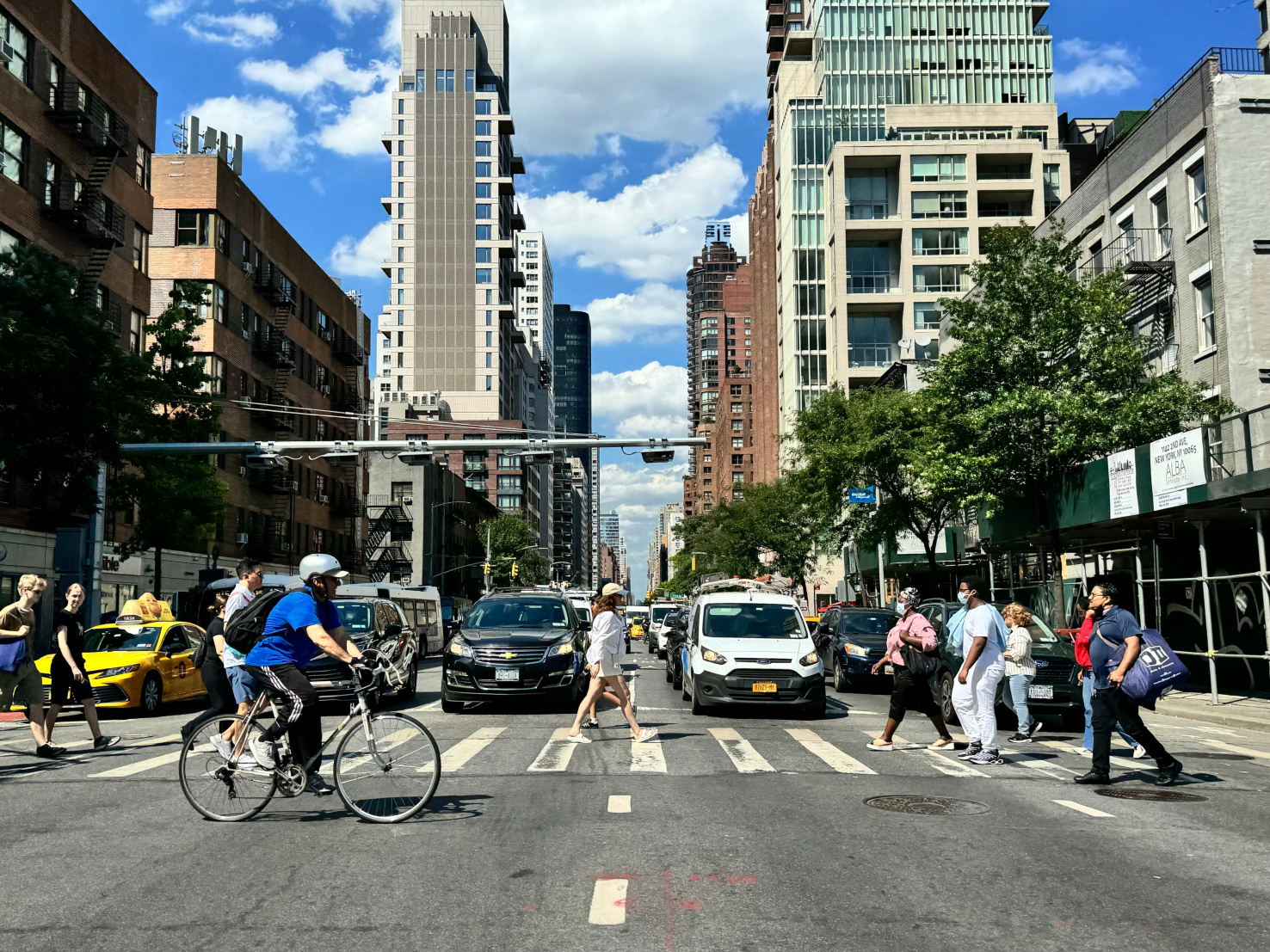
Also in August, a study by Scioto Analysis showed that congestion pricing provided immense health benefits. According to the publication, the program “Reduced air pollution produced the largest estimated benefit. Lower particulate matter 2.5 exposure inside the zone generated approximately $810 million in health benefits, while reduced carbon dioxide emissions produced an additional $9.4 million.”
Parking patterns in are unchanged
In August of 2026, a study published by NYC’s Department of Transportation found that the congestion pricing program “likely had little impact on parking patterns in the areas within and around the CRZ.” This finding is important as one of the main complaints against congestion pricing was the perceived increase in parking it would cause north of 60th Street, which NYC DOT’s study fully rebukes.
A hard-won victory for NYC
Congestion pricing has not only helped fund NYC’s subway and decreased traffic in one of the world’s most congested metropolises, but has proved itself to have been a program with holistic benefits. Whether this means improving air quality, better EMS response times or less traffic, NYC’s congestion program is bringing all kinds of relief to the city that never sleeps.


Community feedback ushers in changes to NYC’s Park Avenue redesign
New aspects of the design include a two-way bike lane and separate paths for cyclists and pedestrians.
NYC to Upgrade 1/3 of its Subway Car Fleet
The MTA is seeking proposals for up to 2,390 new subway cars to upgrade its aging fleet.
New York MTA Upholds Pause on Congestion Pricing, Scales Back Projects
The agency will not be able to go forward with former plans to improve station facilities and transit safety, and expand service.

Planetizen Federal Action Tracker
A weekly monitor of how Trump’s orders and actions are impacting planners and planning in America.

‘Going backwards:’ Baltimore mayor, students rally against state's transit funding plan
Maryland's proposed six-year plan provides no funding for Baltimore’s BMORE bus program and reduces its road maintenance funding.

Detroit to transform waterfront with $2.2 billion investment
Developers will convert about 18 acres of unused parking lot space into civic spaces.

After $600,000 wasted, CA high-speed rail board limits CEO’s power
Ian Choudri will no longer be able to sign, change or manage contracts.

Lithium mines leech water from surrounding communities. Soon, they’ll run dry
Researchers concluded that most lithium mines won't have enough water to meet industry demands by 2050.

El Niño takes lives, infrastructure as U.S. storm systems prove ill-prepared
About two-thirds of America's culverts are in states with outdated design standards.

FREE Course: Walkable City 1: Why Walkability?
After describing his path towards focusing on walkability as the essence of good planning, Jeff Speck marches through his five principal reasons for making more walkable places.
Reinventing Malls: Planning Alchemy—Turning Gray Fields Into Gold
The course focuses on the opportunities and imperatives that shape reinvention of mall sites.

One Hundred Miles
County of Mendocino
planning NEXT
The Architects Foundation
University of Cincinnati Online
Montrose County
Northern Illinois Transit Authority (NITA)
The Pocatello Development Authority

