About two-thirds of America's culverts are in states with outdated design standards.


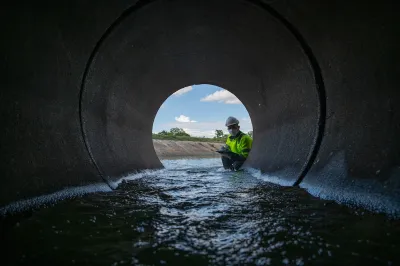
The ongoing super El Niño is projected to bring extreme rainfall to parts of the United States, and the majority of the country’s stormwater infrastructure isn’t ready. Already in New Mexico, September storms killed three people in Navajo Nation, blew out long-standing culverts and caused nine pipe washouts in just 15 miles, Erin Douglas writes for The Washington Post.
The Washington Post reports:
One analysis by Headwaters Economics, a nonprofit research group, found that of the nation’s more than 6 million culverts, about two thirds are in states with outdated design standards. (Culverts allow streams to pass beneath roads.) Another analysis by the American Society of Civil Engineers gave stormwater infrastructure in the United States a “D,” in 2025, noting that the need to replace aging infrastructure often outstrips local capacity to do so.
Many stormwater engineering designs are built for historic rainfall rather than modern-day, climate-change-fueled storms. While upgraded infrastructure lasts longer and requires less maintenance, many multiplicities cannot afford it: replacing culverts can cost millions of dollars.
Read the full story: Why the nation’s stormwater systems are woefully unprepared for this El Niño

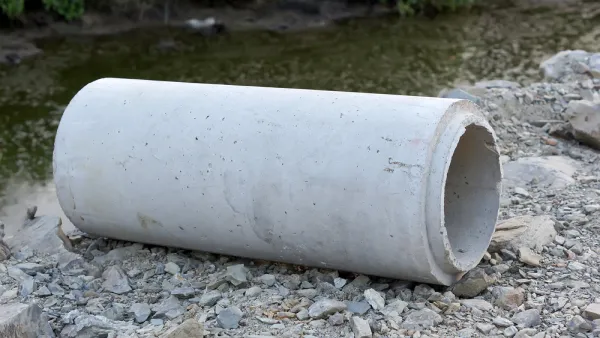
Blocked Culverts Continue to Plague Washington Salmon Habitat
Ineffective, blocked, obsolete, and in disrepair—Washington is full of culverts that pose an impediment to the survival of salmon. A court decision should have fixed the problem, but the state's budget has a long way to go to clean up the mess.

A multi-billion dollar problem is brewing under Oakland’s streets
Oakland’s stormwater drainage systems are in desperate need of upgrades and repairs. The El Niño will only further strain the city’s infrastructure.
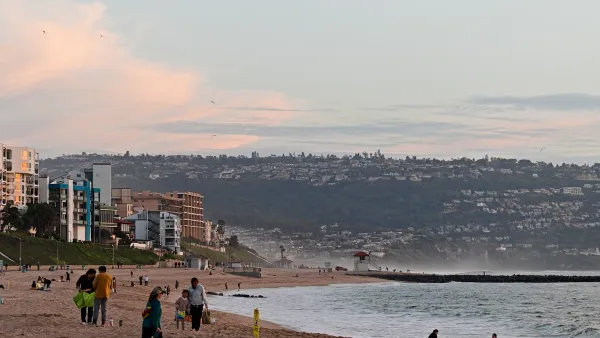
California may destroy its beaches trying to save homes from El Niño
Boulders and seawalls can protect homes from waves, but ultimately destroy sandy beaches.

Planetizen Federal Action Tracker
A weekly monitor of how Trump’s orders and actions are impacting planners and planning in America.

‘Going backwards:’ Baltimore mayor, students rally against state's transit funding plan
Maryland's proposed six-year plan provides no funding for Baltimore’s BMORE bus program and reduces its road maintenance funding.

Detroit to transform waterfront with $2.2 billion investment
Developers will convert about 18 acres of unused parking lot space into civic spaces.

More money, less service: Miami-Dade slashes bus routes after hiking fare
The department is facing a multi-million dollar funding gap.

Transit leaders progress high-speed rail from Portland to Vancouver, B.C.
Washington state officials may reveal feasible routes for the high-speed rail in late 2027.

LA to transform part of water treatment facility into new park
By rebuilding some of the Los Angeles-Glendale Water Reclamation Plant’s infrastructure, the city will free up 18,000 square feet to create a new green space for the public.

FREE Course: Walkable City 1: Why Walkability?
After describing his path towards focusing on walkability as the essence of good planning, Jeff Speck marches through his five principal reasons for making more walkable places.
Reinventing Malls: Planning Alchemy—Turning Gray Fields Into Gold
The course focuses on the opportunities and imperatives that shape reinvention of mall sites.

One Hundred Miles
County of Mendocino
planning NEXT
The Architects Foundation
University of Cincinnati Online
Montrose County
Northern Illinois Transit Authority (NITA)
The Pocatello Development Authority