Cuts to grants from the Department of Transportation to the EPA are impacting small and large park projects across the country.


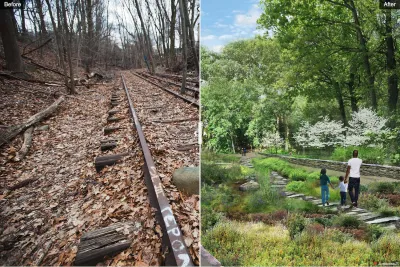
Federal cuts to a wide range of grant programs are forcing cities to scale back or suspend parks projects, reports Patrick Sisson in Bloomberg CityLab.
“The Environmental Protection Agency’s Community Change grant program, which was slated to provide $1.6 billion in funds for numerous park and climate resiliency projects across the US, was canceled. So was EPA’s $600 million Thriving Communities grantmaking program, an initiative that directed resources to environmental nonprofits in low-income areas; a White House press release called it out for funding organizations “committed to the radical energy agenda” (a federal ruling later ordered $180 million in grants to be disbursed).”
The Trump administration also canceled USDOT grants, particularly those related to walkability and active transportation, many of which contribute funding to park and greenway projects. Although funding for day-to-day operations usually comes from local and state sources, federal funding is key to capital projects like acquiring new parkland and building new parks.
According to Sisson, “Many of the organizations that were set to receive funding, particularly via EPA grants, were grassroots community groups, often in lower-income areas that have less access to aid from businesses and philanthropic benefactors.” Park advocates say eliminating parks funding also denies communities the positive multiplier effects of green space. “They hire and employ builders, engineers and designers, and adding or improving parks tends to raise property values of adjacent land and create foot traffic for retail activity.”
FULL STORY: Trump Funding Cuts Put New Stresses on City Parks

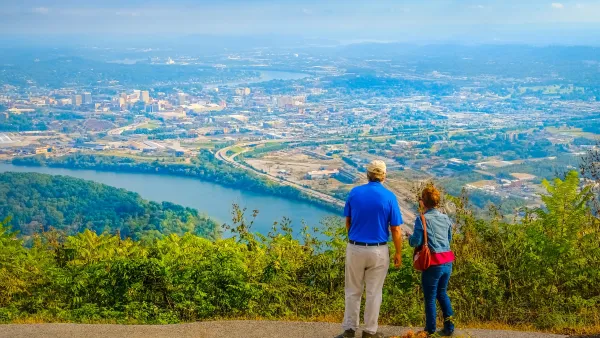
Chattanooga Earns North America’s First ‘National Park City’ Designation
The award recognizes cities that prioritize biodiversity and resident access to parks and green spaces.
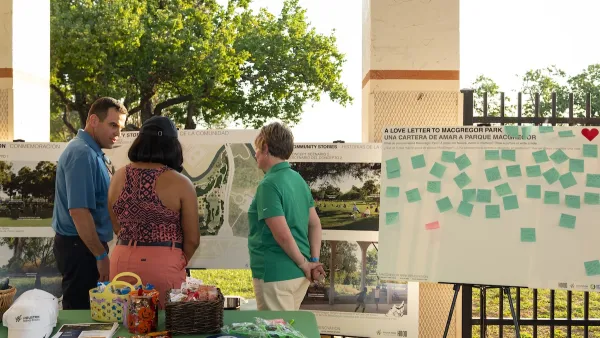
Public and Private Collaboration Advances Park Development in Houston
Houston may be known to some as a concrete jungle, but its greenspaces continue to expand thanks to combined support from the public, private, and philanthropic sectors.
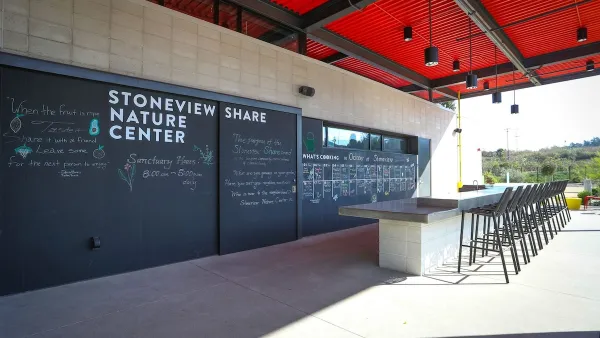
How LA County Parks are Fostering Equity
Los Angeles County's Department of Parks and Recreation actively engages the public through diverse methods to ensure parks and recreation programming align with community needs and priorities.

Planetizen Federal Action Tracker
A weekly monitor of how Trump’s orders and actions are impacting planners and planning in America.

The state-sanctioned urbicide of Austin
People don’t kill cities. Freeways do.

US to reduce Colorado River water deliveries to Mexico
A new Colorado Treaty amendment reduces Mexico’s Colorado River water allocation by 250,000 acre feet.

Baltimore to break ground on $50 million Transit Priority Project
The project will bring faster bus trips, safer streets and better bike connections to Baltimore.

Airbnb launches $250 million 'last-dollar financing' housing accelerator, makes first investment in Austin
The company will put $6.4 million towards affordable housing development in Texas’ capital.

Guerilla urbanists are building DIY bus stop benches in Chicago
A before-and-after of one of the bus stops with a new bench. The new benches are not officially sanctioned or permitted, but the residents who placed them hope they will be the start of a network of DIY benches across the city.

FREE Course: Walkable City 1: Why Walkability?
After describing his path towards focusing on walkability as the essence of good planning, Jeff Speck marches through his five principal reasons for making more walkable places.
Reinventing Malls: Planning Alchemy—Turning Gray Fields Into Gold
The course focuses on the opportunities and imperatives that shape reinvention of mall sites.

Eagle County Government
Harvard University Graduate School of Design
Nashville Planning Department
The Architects Foundation
University of Cincinnati Online
The Pocatello Development Authority
The Urban Renewal Agency of the City of Pocatello
Journal of the American Planning Association