A recent bill allows cities to apply for a one-time expansion to Oregon’s historic urban growth boundaries, which limit development at the edges of cities.


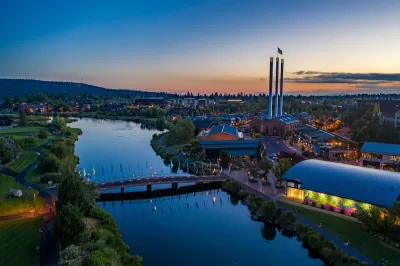
Bend, Oregon could expand its boundaries under a recently signed law that allows cities a one-time exemption to the state’s urban growth boundary policy, which limits development at the edges of existing cities. As Jonathan Bach explains in The Oregonian, the bill was passed as a response to the housing crisis and would allow cities to expand by 100 acres.
“Conservationists, meanwhile, view expansion with skepticism, arguing there’s ample land already inside the city to accommodate new construction. They defend the way that Oregon’s more than 50-year-old land-use system carefully tailors growth.” The state requires cities to justify the need for additional land through extensive analysis and demonstrate a high rent burden for residents.
While the high cost of land inside the current boundary is prohibitive to many developers, Ben Gordon, executive director of Central Oregon LandWatch, points out that prior expansions to Bend’s boundary, in 2016 and 2021, have failed to produce additional housing to date. The advocacy group is pushing for more infill development closer to existing infrastructure, pointing to a 2023 city report that found space for 23,000 housing units in the existing city boundary.
FULL STORY: Bend leaps, again, at chance to add housing land. Will other Oregon cities follow suit?

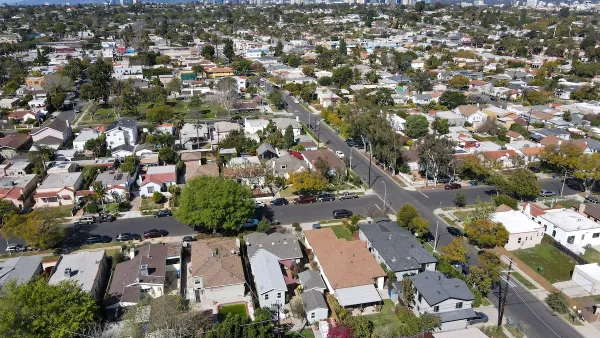
California Law Ends Road Widening Mandates
Housing developers will no longer be required to dedicate land to roadway widening, which could significantly reduce the cost of construction and support more housing units.
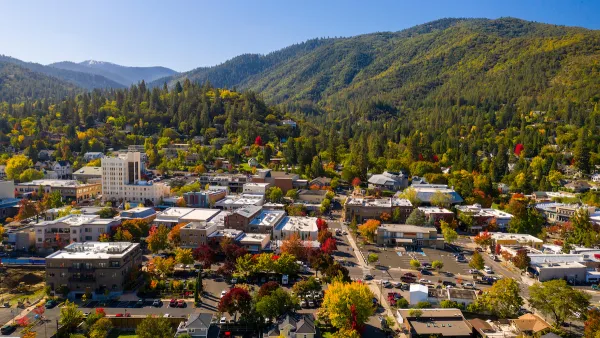
Facing Housing Crisis, Oregon Could Alter its Historic Land Use Law
A 1973 state law creates urban growth boundaries that limit urban sprawl, but rising housing costs are causing lawmakers to consider a one-time expansion.
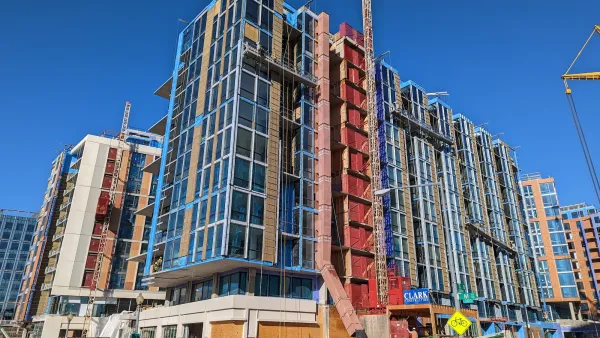
Analysis: DC needs tens of thousands of new homes — not just 'zoned capacity'
Estimates for Washington DC's housing needs range from 15,000 to 170,000.

The state-sanctioned urbicide of Austin
People don’t kill cities. Freeways do.

US to reduce Colorado River water deliveries to Mexico
A new Colorado Treaty amendment reduces Mexico’s Colorado River water allocation by 250,000 acre feet.

New Jersey’s second-largest city bans standalone data centers
Jersey City will continue to allow co-location facilities, such as those meant for research institutions that store their own data.

Amtrak not solely to blame for New Jersey commuter rail's unreliability, report finds
A new study from the Garden State Initiative found that NJ Transit’s budget grew 20% across a 4 year period, but reliability declined significantly over the same period.

EPA erases limits on planet-warming pollution from power plants
Under Monday’s plan, power plants would still have some limits on how much mercury, arsenic and other contaminants they can emit.

Phoenix announces new on-demand transit service, more frequent RAPID buses
Both new services will launch in October, and are part of Phoenix's Project Effective Access Solutions for Easing Congestion.

FREE Course: Walkable City 1: Why Walkability?
After describing his path towards focusing on walkability as the essence of good planning, Jeff Speck marches through his five principal reasons for making more walkable places.
Reinventing Malls: Planning Alchemy—Turning Gray Fields Into Gold
The course focuses on the opportunities and imperatives that shape reinvention of mall sites.

Eagle County Government
Harvard University Graduate School of Design
Nashville Planning Department
The Architects Foundation
University of Cincinnati Online
The Pocatello Development Authority
The Urban Renewal Agency of the City of Pocatello
Journal of the American Planning Association