The state is testing a data-gathering system that could help improve road safety and alert transportation authorities to mobility trends.


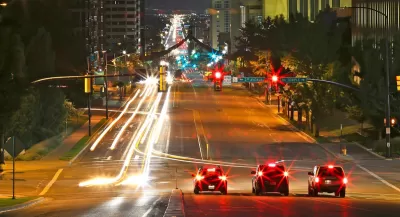
Results from a five-year ‘connected vehicle’ program in Utah are prompting the state’s transportation agency to expand its efforts, reports Skip Descant in GovTech.
The project, developed in collaboration with Panasonic, “has deployed about 490 “roadside units” (RSUs), which communicate with onboard units — technology installed on public-sector vehicles, which can vary from light-duty cars and trucks to city buses and snowplows.” The program uses data from roughly 190 participating vehicles to understand mobility patterns and, ultimately, improve road safety.
Descant explains that “The [Panasonic] Cirrus system, which collects and analyzes connected vehicle data, looks for trends and areas that might raise concern.” This can help DOTs use the data to take actionable steps to make roads safer and city services more efficient.
One way to use the system is smart transit signal priority, which can change traffic signals to streamline travel for transit buses or alert officials to snowed-in roads. “In other words, the idea is to take this data and be able to use it to intervene, potentially altering a snow-plow route as needed, or updating messages on digital highway signage.”
Read the full story: Seeing Promise in Data, Utah to Expand Connected Vehicle Work

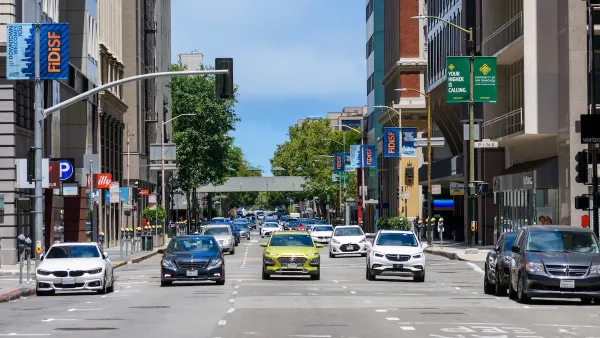
One-Way Streets Have Worse Crashes, Higher Crime and Lower Property Values — Why do we Still Use Them?
How reverting one-way streets to two-way can boost both safety and economic development.

Opinion: LOS has ‘No Redeeming Quality’
The commonly used Level of Service metric that grades intersections based on traffic speed rather than safety is a key contributor to dangerous roadways.
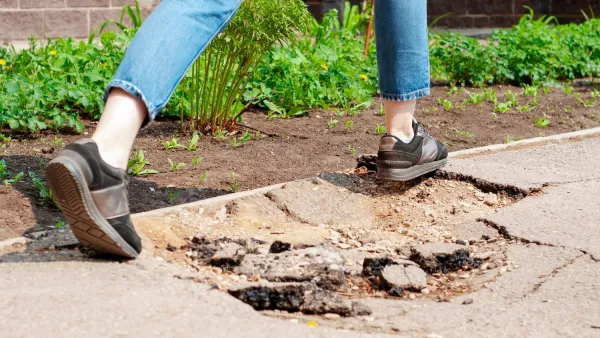
Portland Council Tentatively Approves Sidewalk Repair Plan
The proposal would address sidewalk needs in Portland’s District 1 and District 4.

Planetizen Federal Action Tracker
A weekly monitor of how Trump’s orders and actions are impacting planners and planning in America.

‘Going backwards:’ Baltimore mayor, students rally against state's transit funding plan
Maryland's proposed six-year plan provides no funding for Baltimore’s BMORE bus program and reduces its road maintenance funding.

Detroit to transform waterfront with $2.2 billion investment
Developers will convert about 18 acres of unused parking lot space into civic spaces.

U.S.-Iran war may have ‘devastating’ impact on cost to warm homes
Vermont and Maine residents may see a 76% increase in the cost of warming their homes this winter.

Senate bill would ‘overhaul’ environmental permitting laws
Under the proposed act, government agencies would also not be able to suspend or rescind permits after granting them.

Exemption applications for NYC’s pied-à-terre tax see 55% success rate
The city sent nearly 40% of its initial pied-à-terre tax warnings erroneously.

FREE Course: Walkable City 1: Why Walkability?
After describing his path towards focusing on walkability as the essence of good planning, Jeff Speck marches through his five principal reasons for making more walkable places.
Reinventing Malls: Planning Alchemy—Turning Gray Fields Into Gold
The course focuses on the opportunities and imperatives that shape reinvention of mall sites.

One Hundred Miles
County of Mendocino
planning NEXT
The Architects Foundation
University of Cincinnati Online
Montrose County
Northern Illinois Transit Authority (NITA)
The Pocatello Development Authority